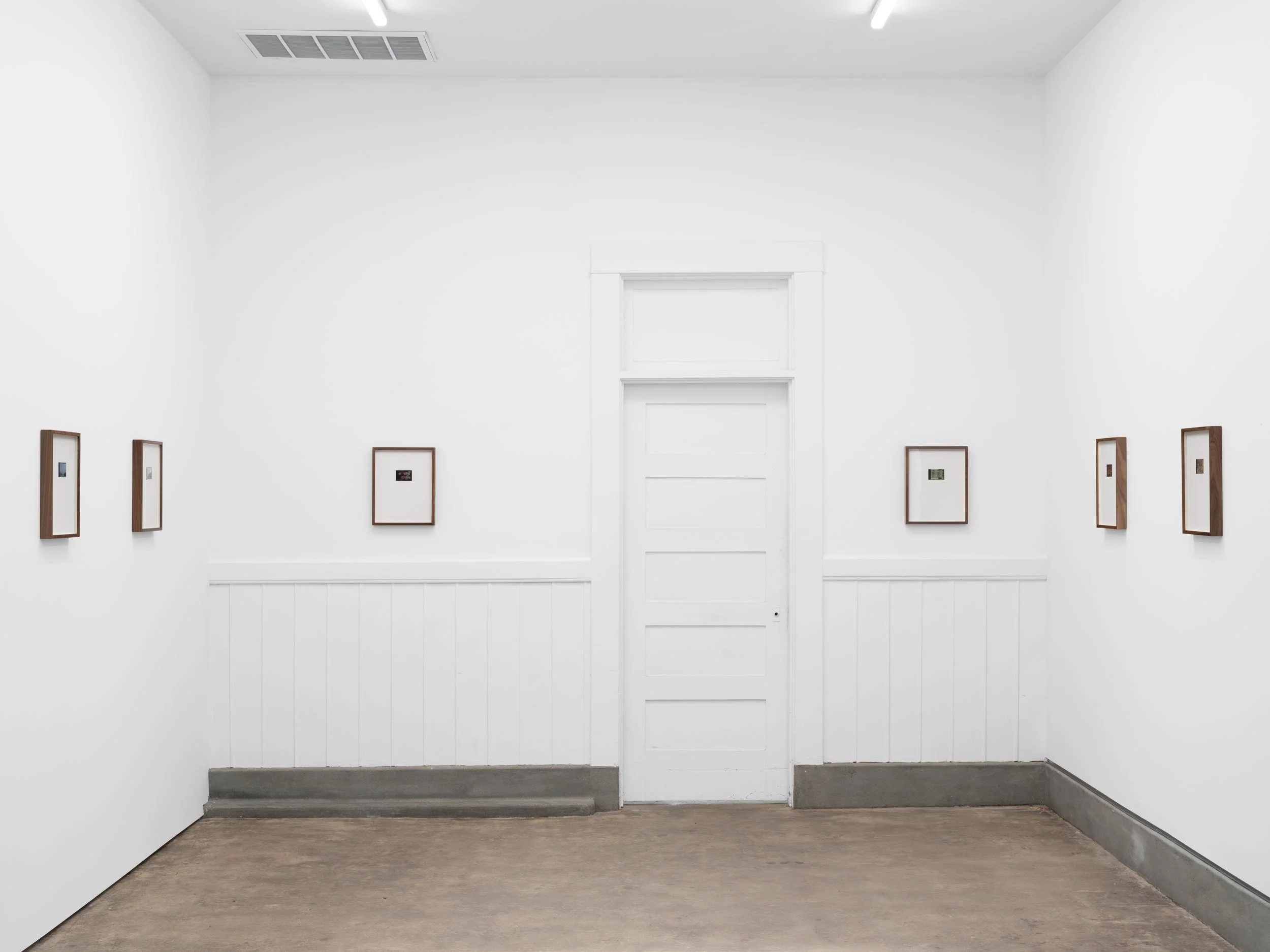
We Breathe the Same Air
Kenneth Anger, Catherine Corman, Emma Gray, Jon Pylypchuk, Rebekah Rubalkava, and Saul Appelbaum in collaboration with Susan Aberth, Danita Nuchsawat Appelbaum, Artists Artists, Santiago Evans Canales, Oceana Celeste, Elodie Goldberg Jacquemain, Adam Katz, Hyungi Park of Goyo, and Natalia Reyes
Curated by The Pioneers, July 25 - September 5, 2026
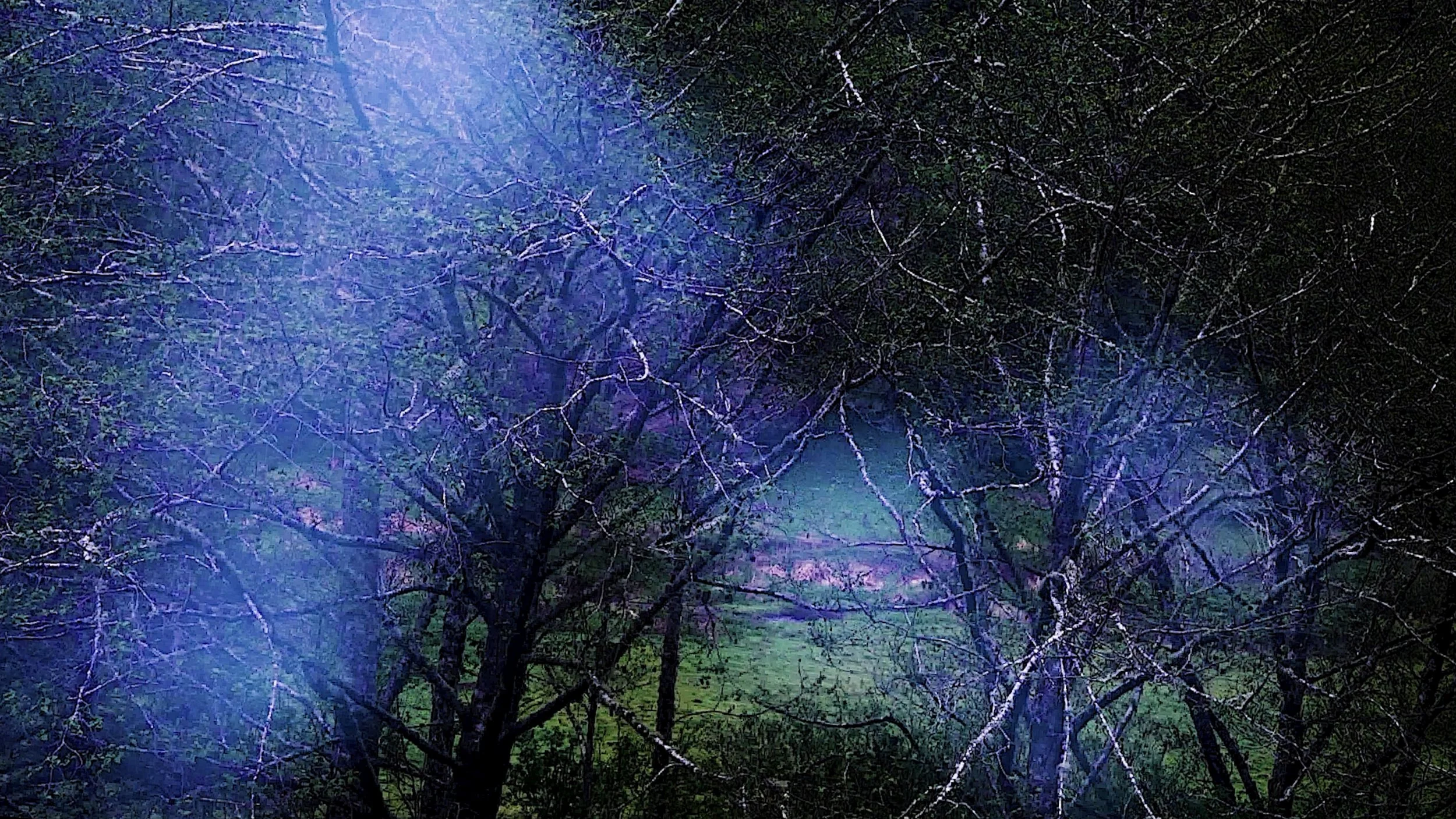
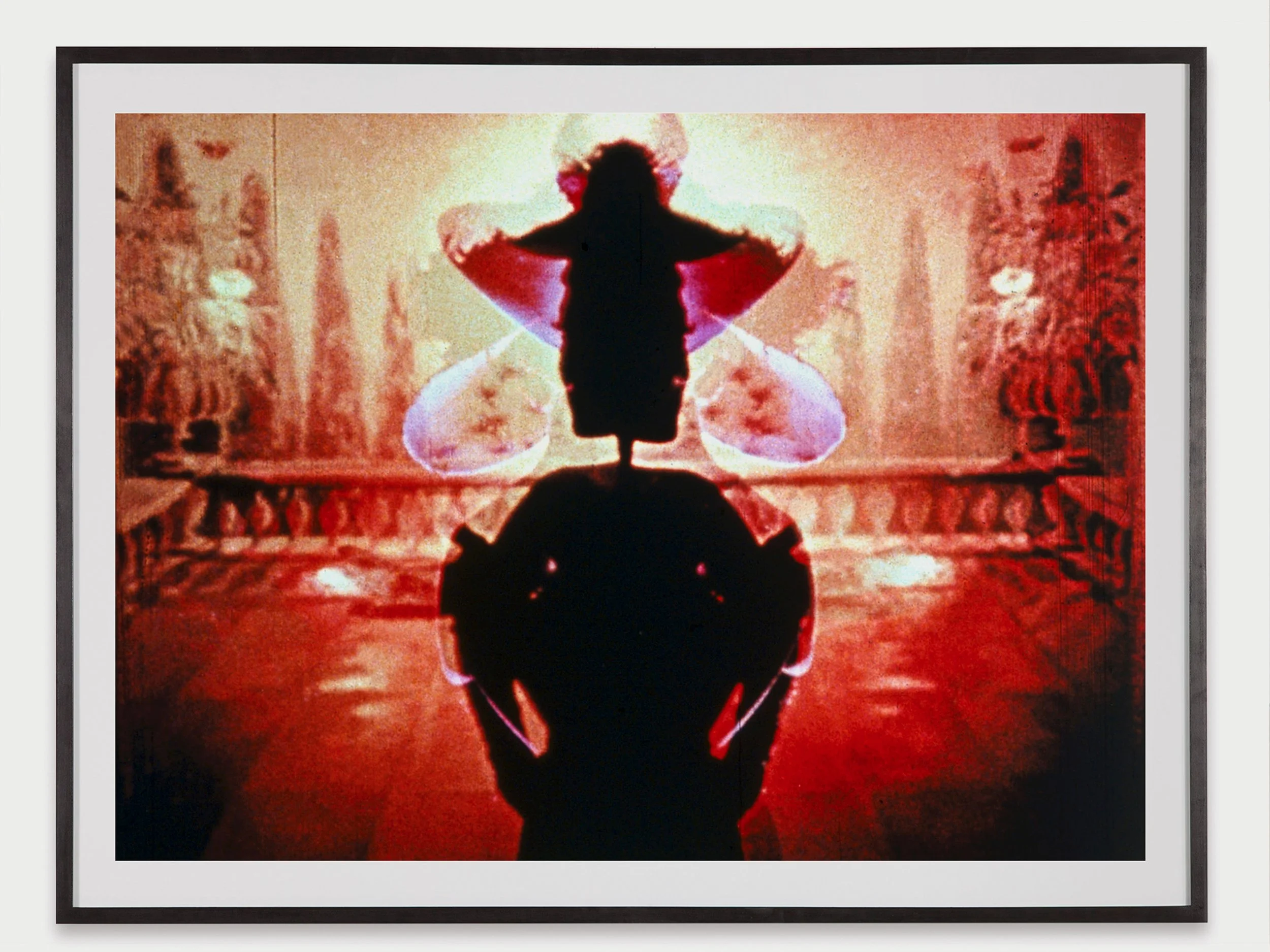
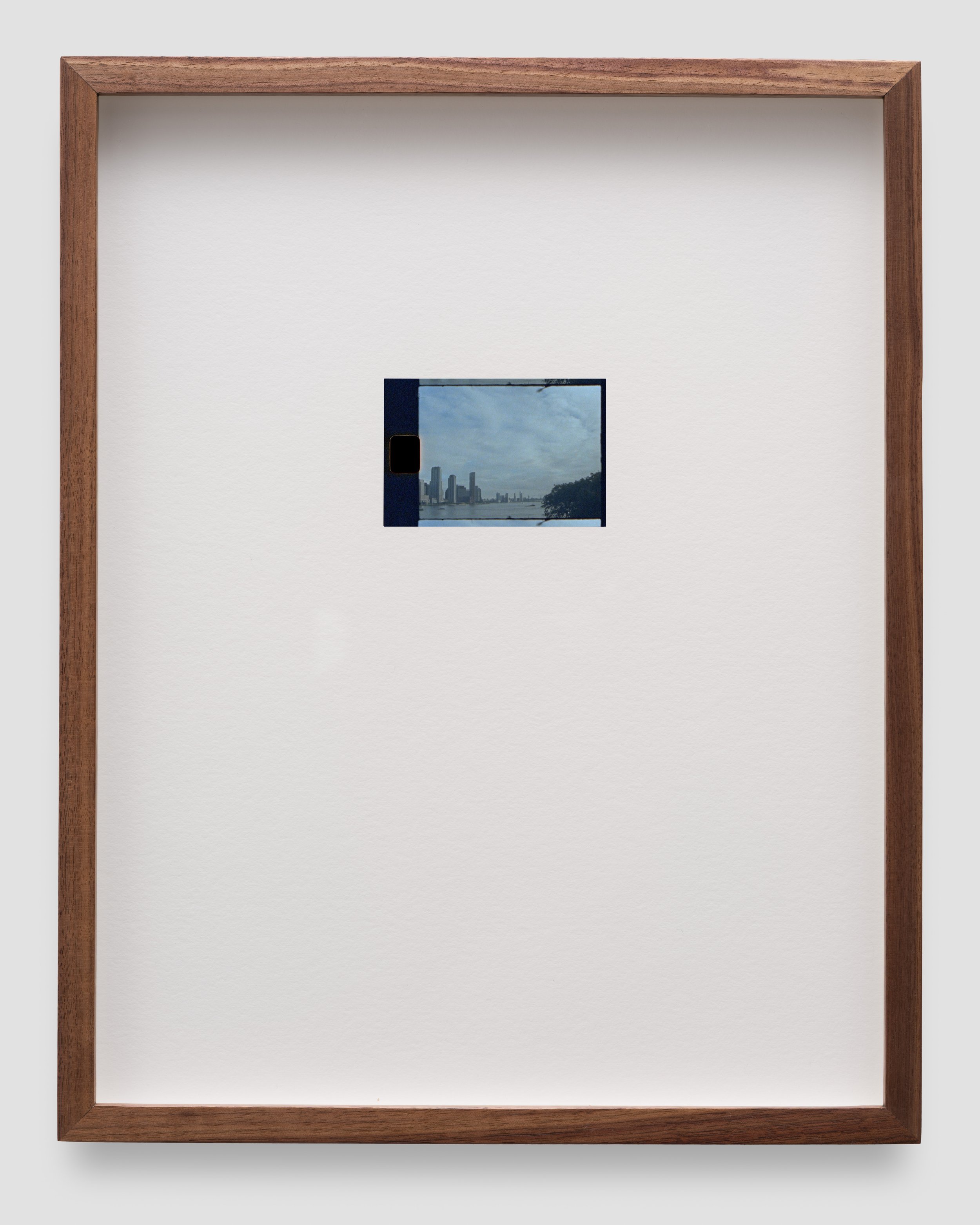
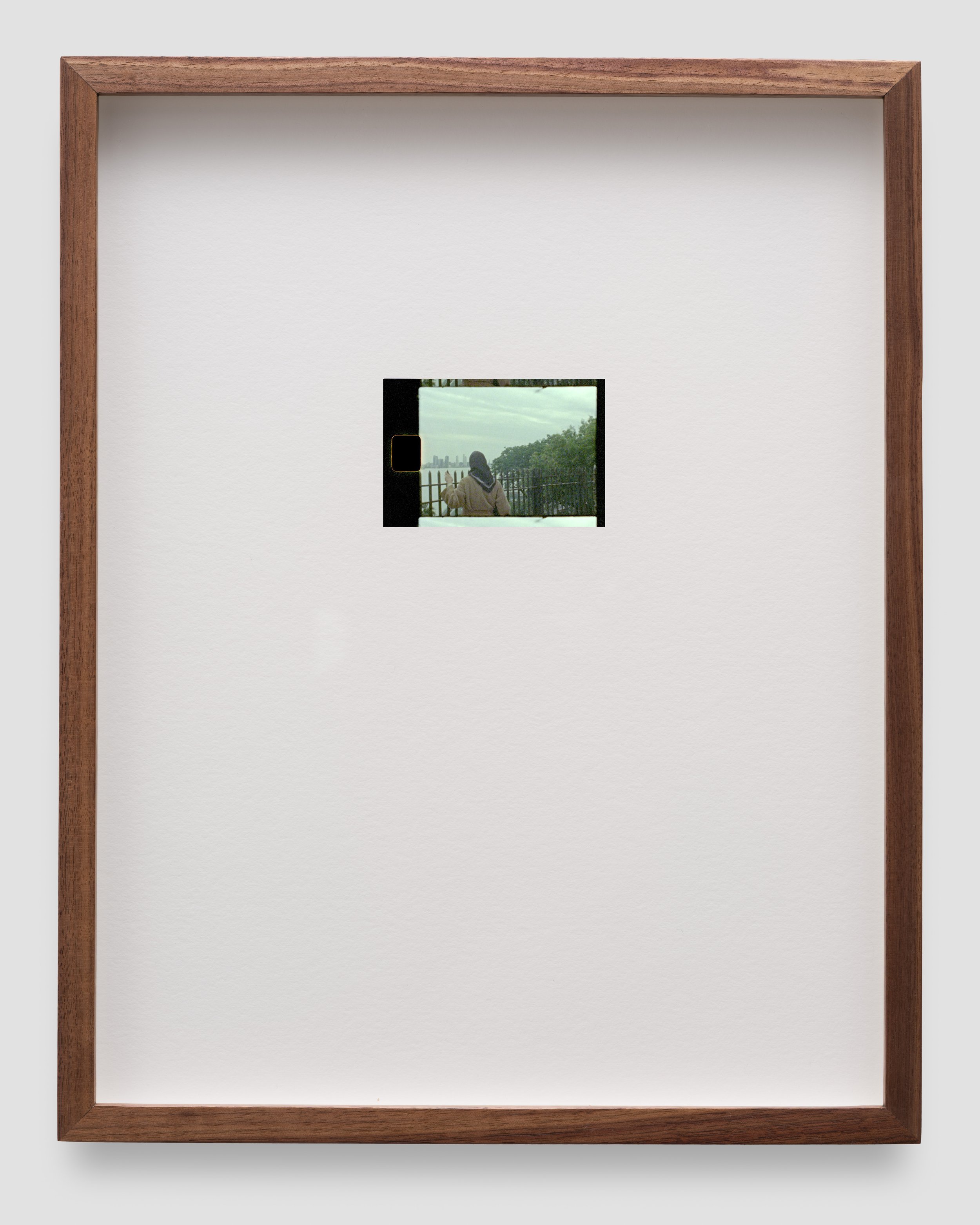
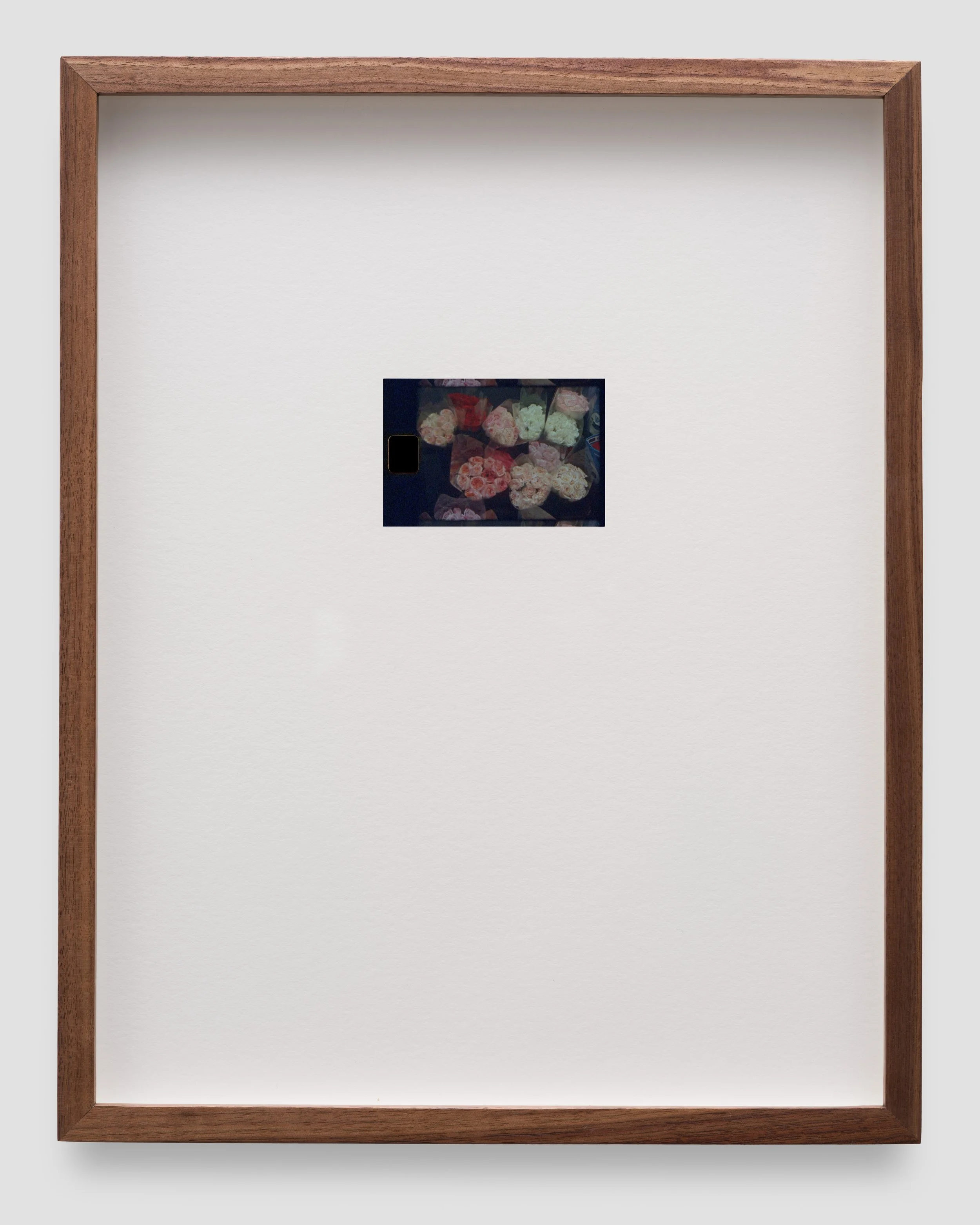
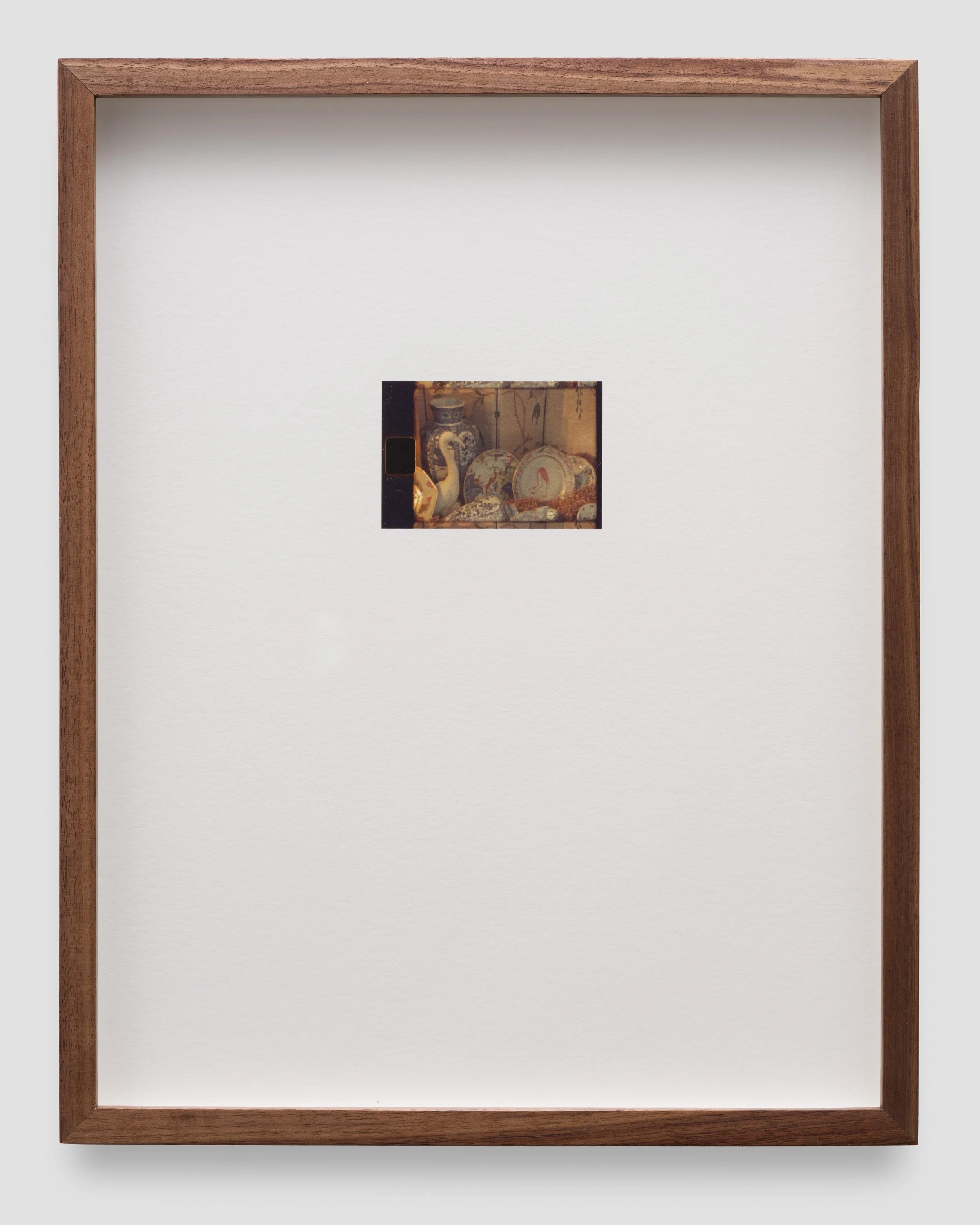
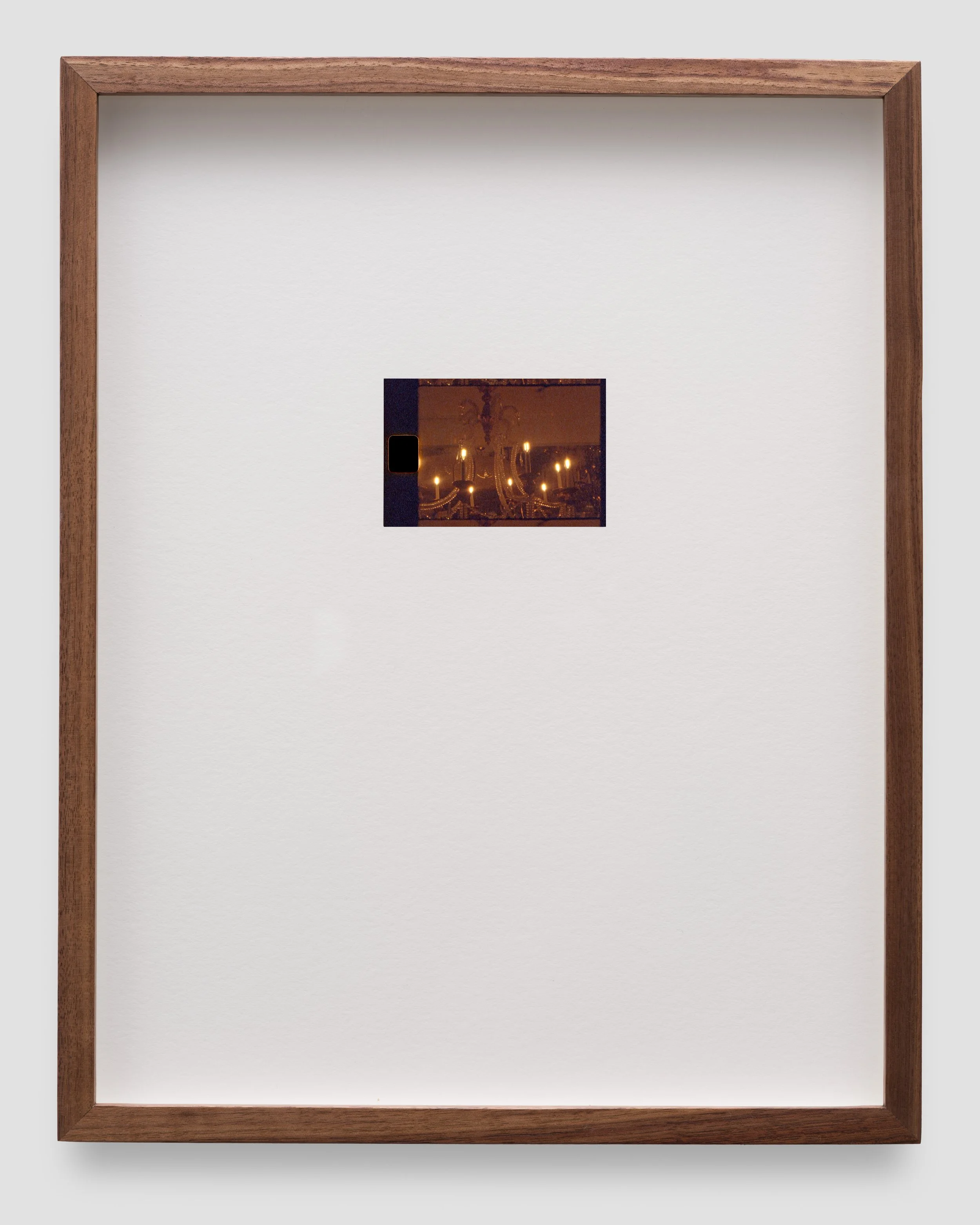
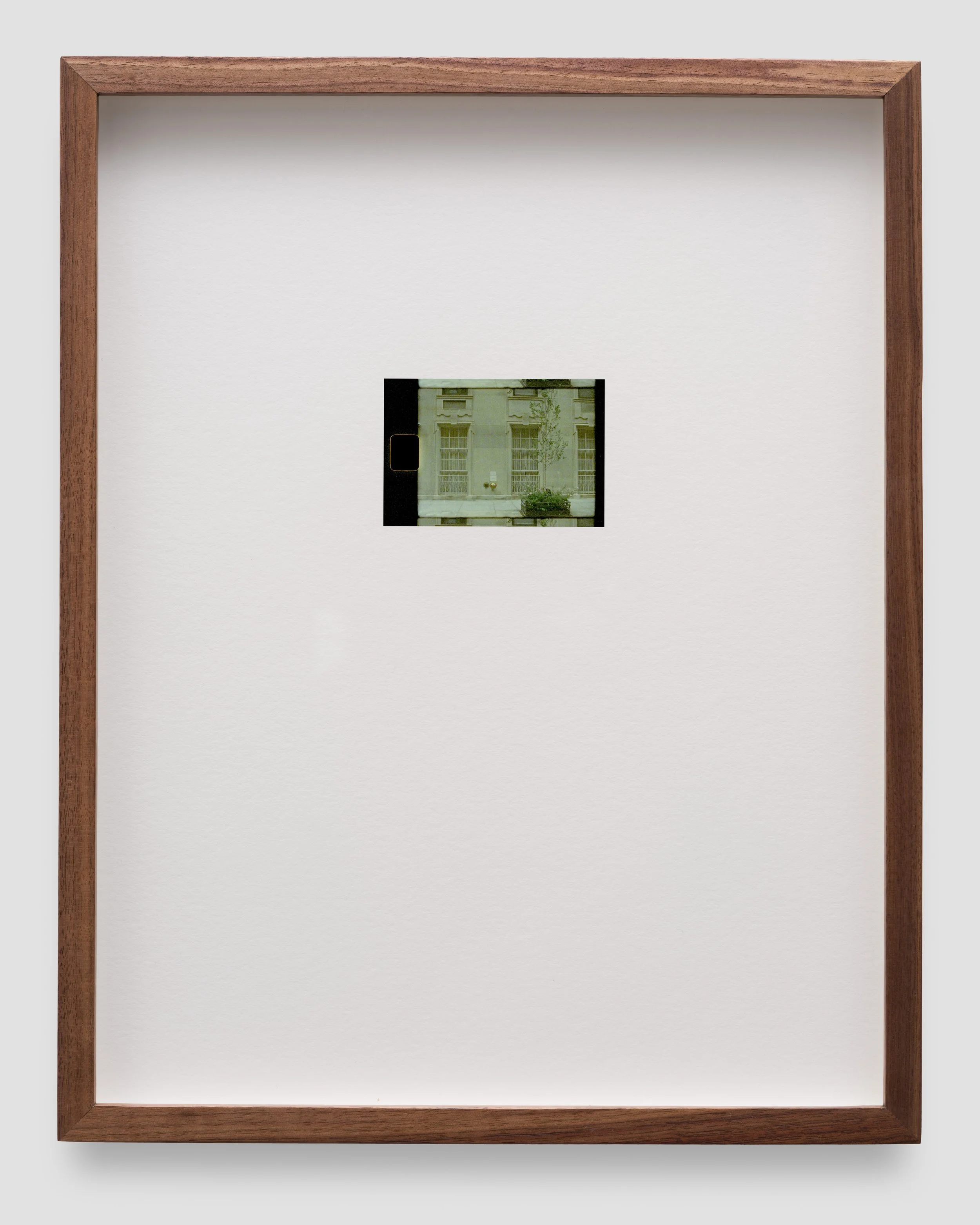
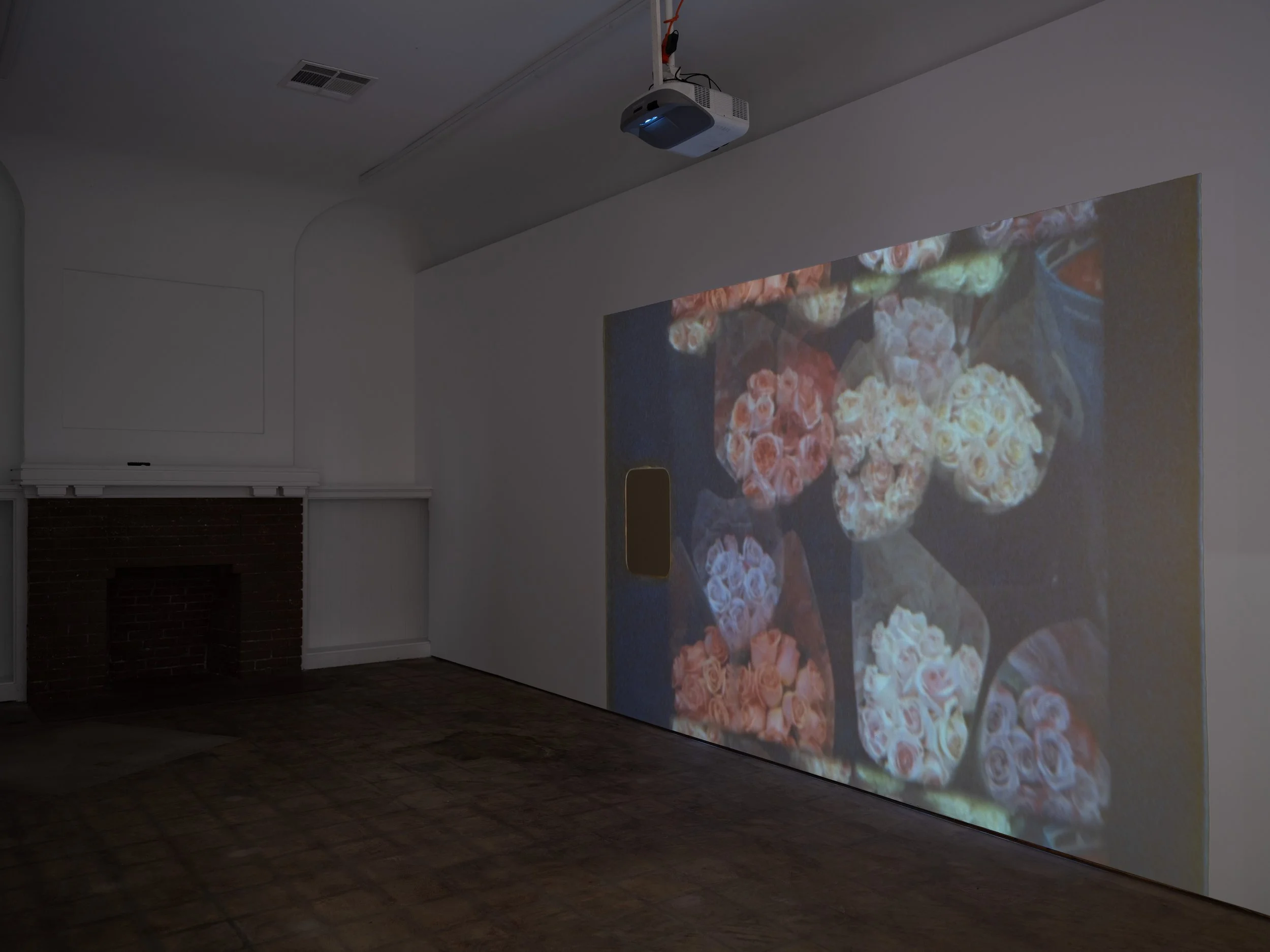
Film-Still, We Breathe the Same Air, 2026
So let us today drudge on about our inescapably impossible task of providing every week a first rough draft of history that will never be completed about a world we can never really understand.
– Phil Graham
This press release isn't really a press release. It leaves room for the feeling that something has already begun before language arrives.
Living in Los Angeles, certain feelings seem impossible to avoid. Spirituality circulates as easily as marine air or smog. Stories of occult histories, wellness movements, forgotten esoteric societies, and experimental art appear with such frequency that they begin to feel less like subjects than weather. One thread leads to another: Hilma af Klint and Theosophy, the Krotona Institute in nearby Ojai, Kenneth Anger's devotion to Aleister Crowley, the last iteration of the Getty PST and its interest in nature and the occult, the Marciano Art Foundation inhabiting a former Masonic temple, artists, chefs, historians, and friends whose practices quietly intersect around symbols, ritual, and transformation. Eventually, coincidence becomes its own form of research.
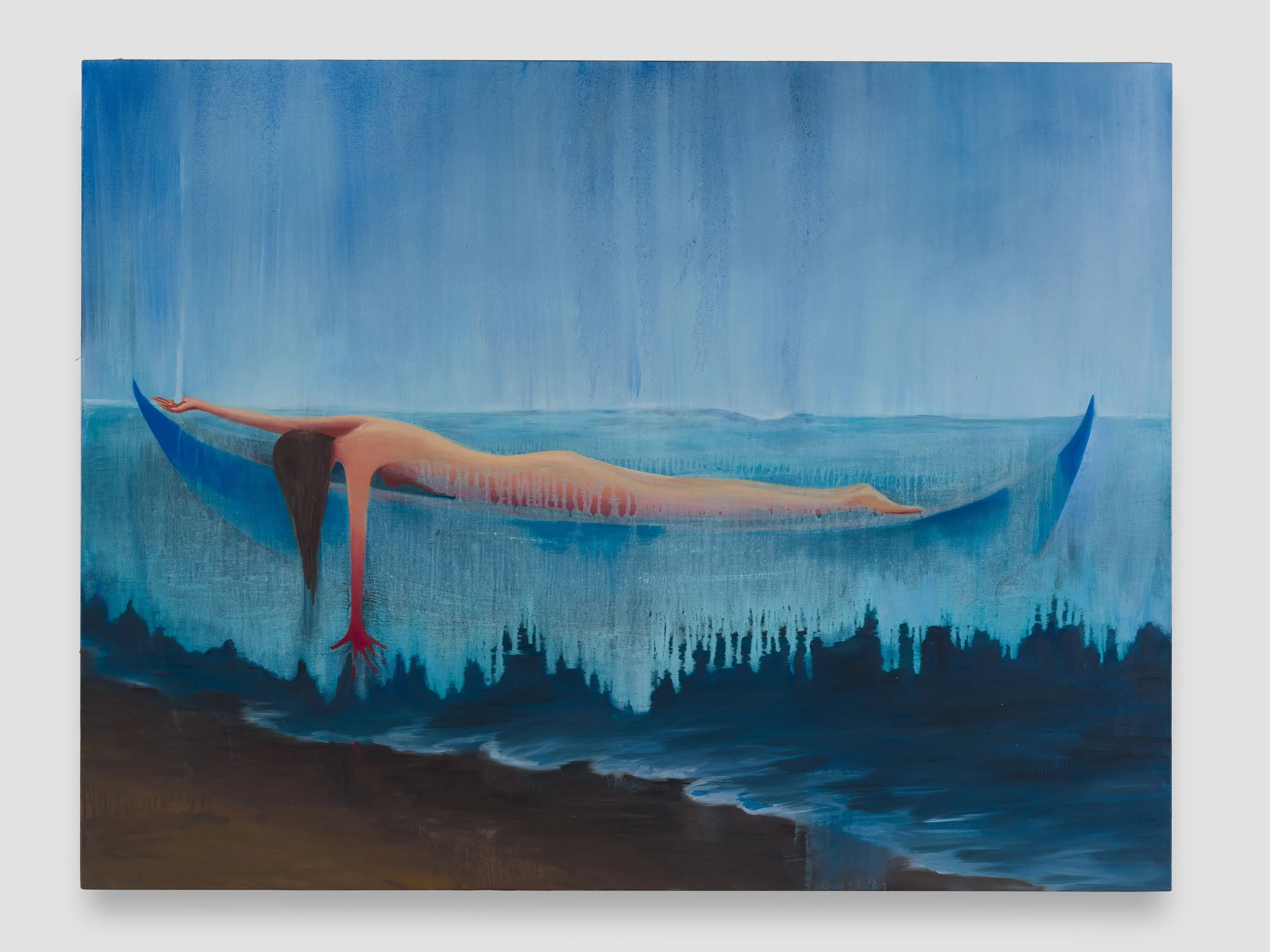
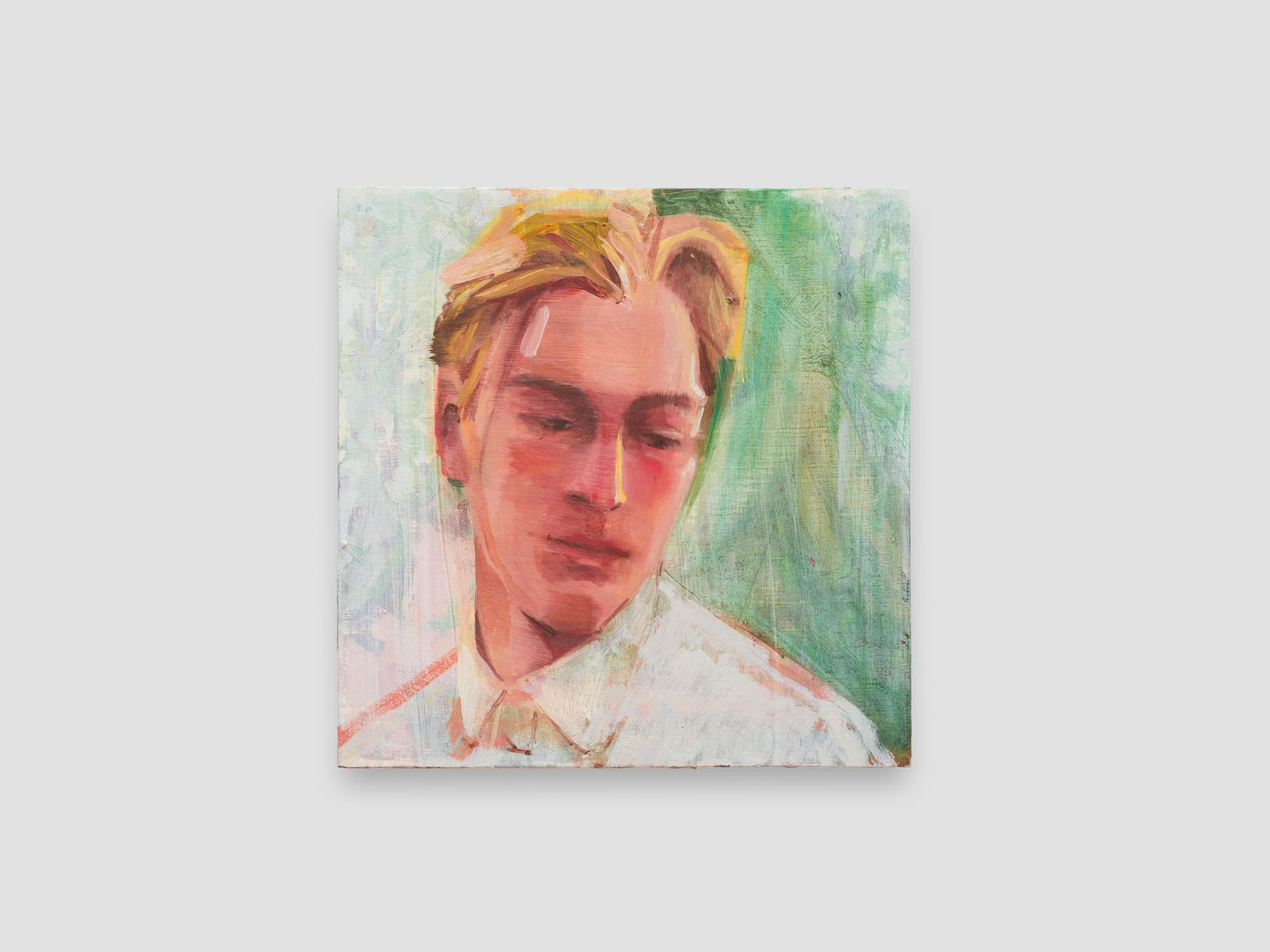
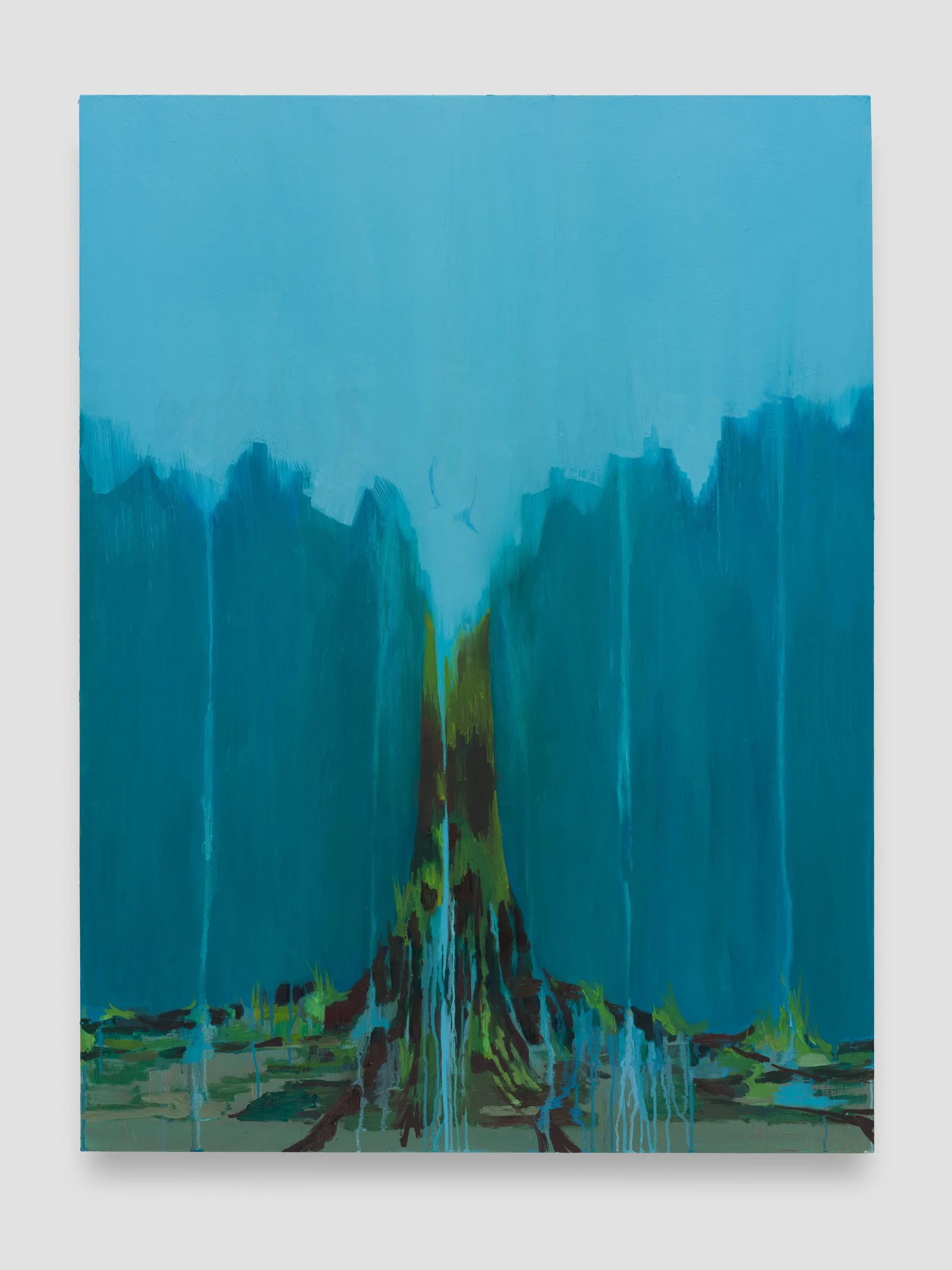
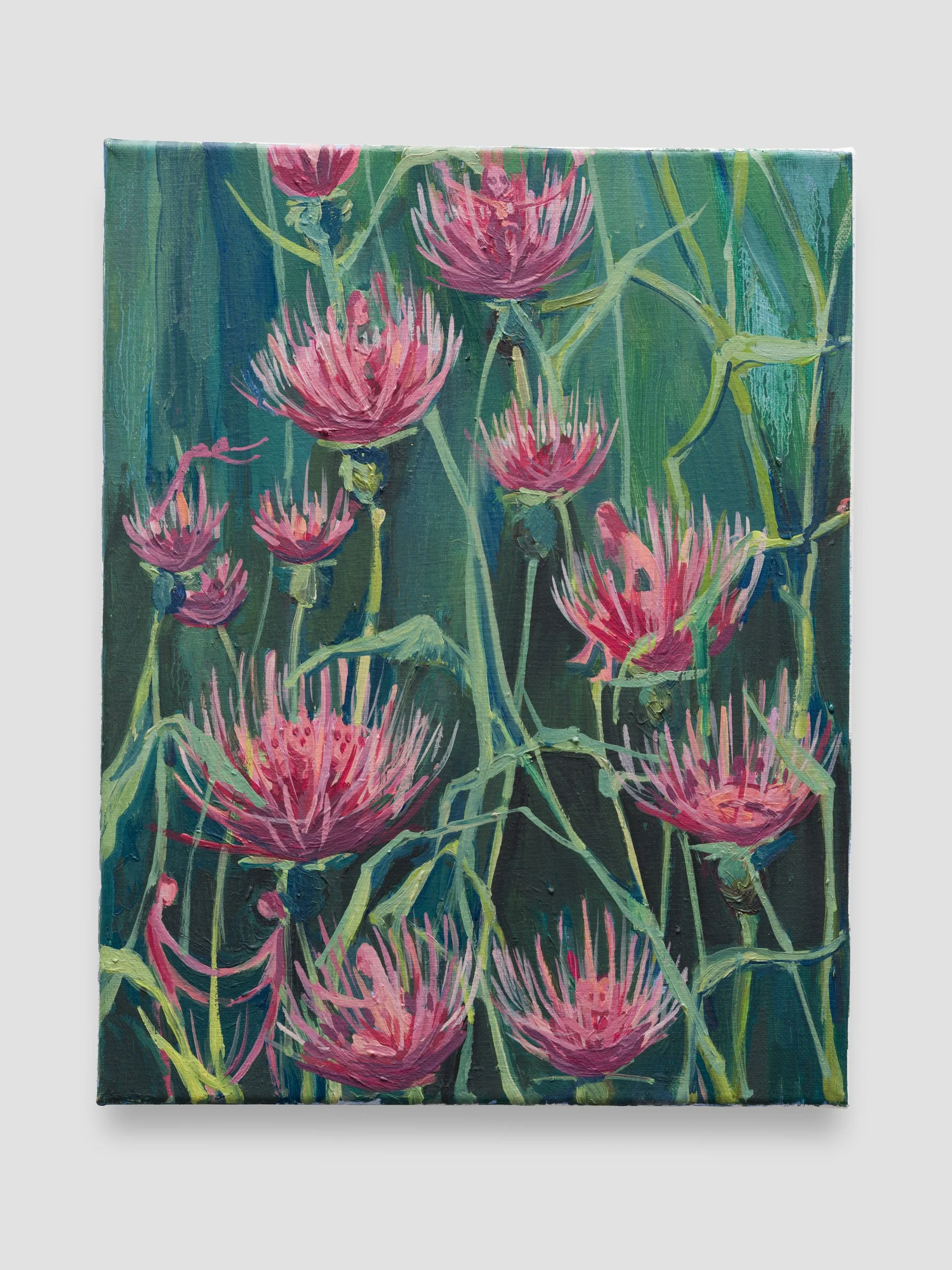
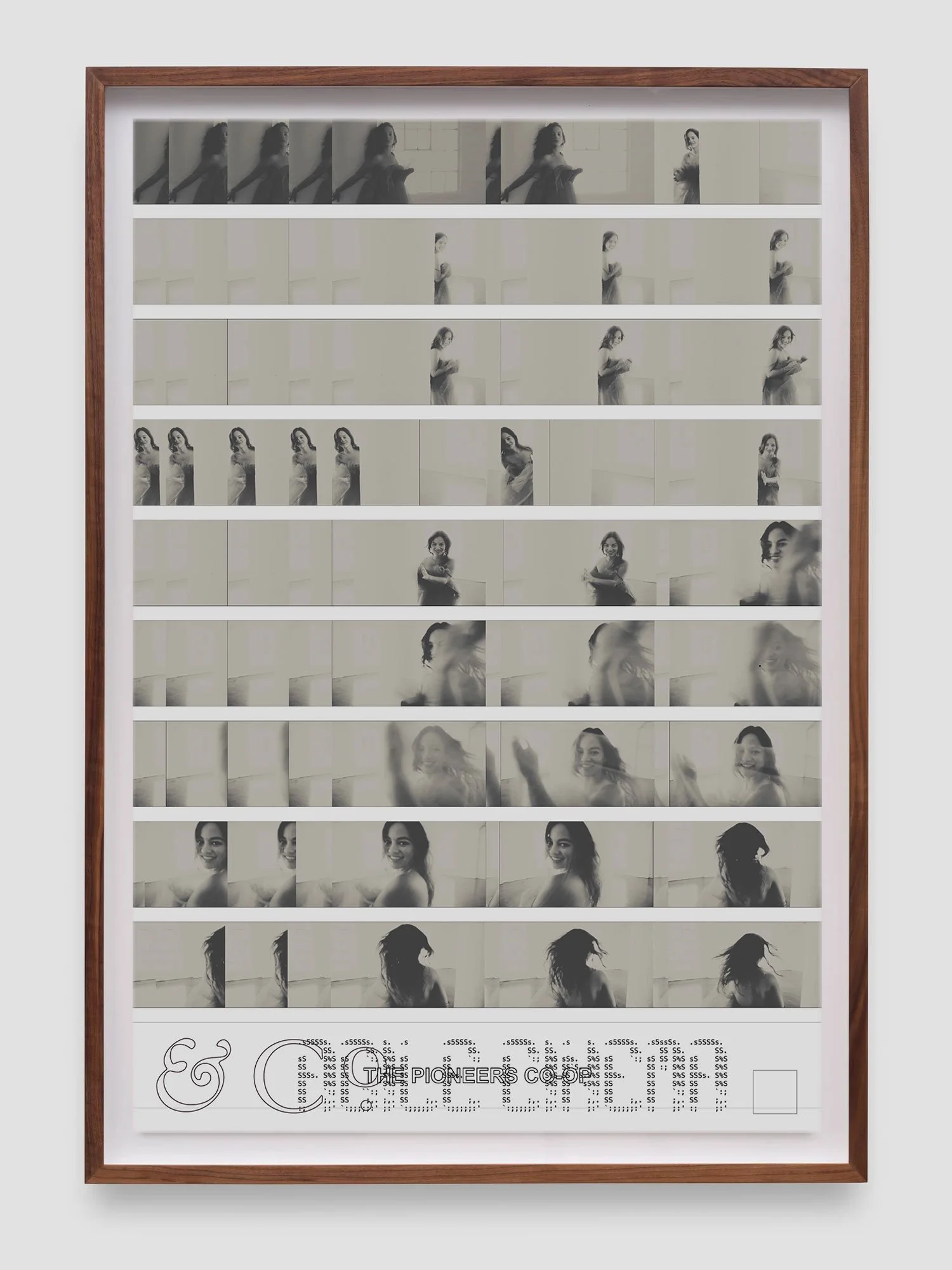
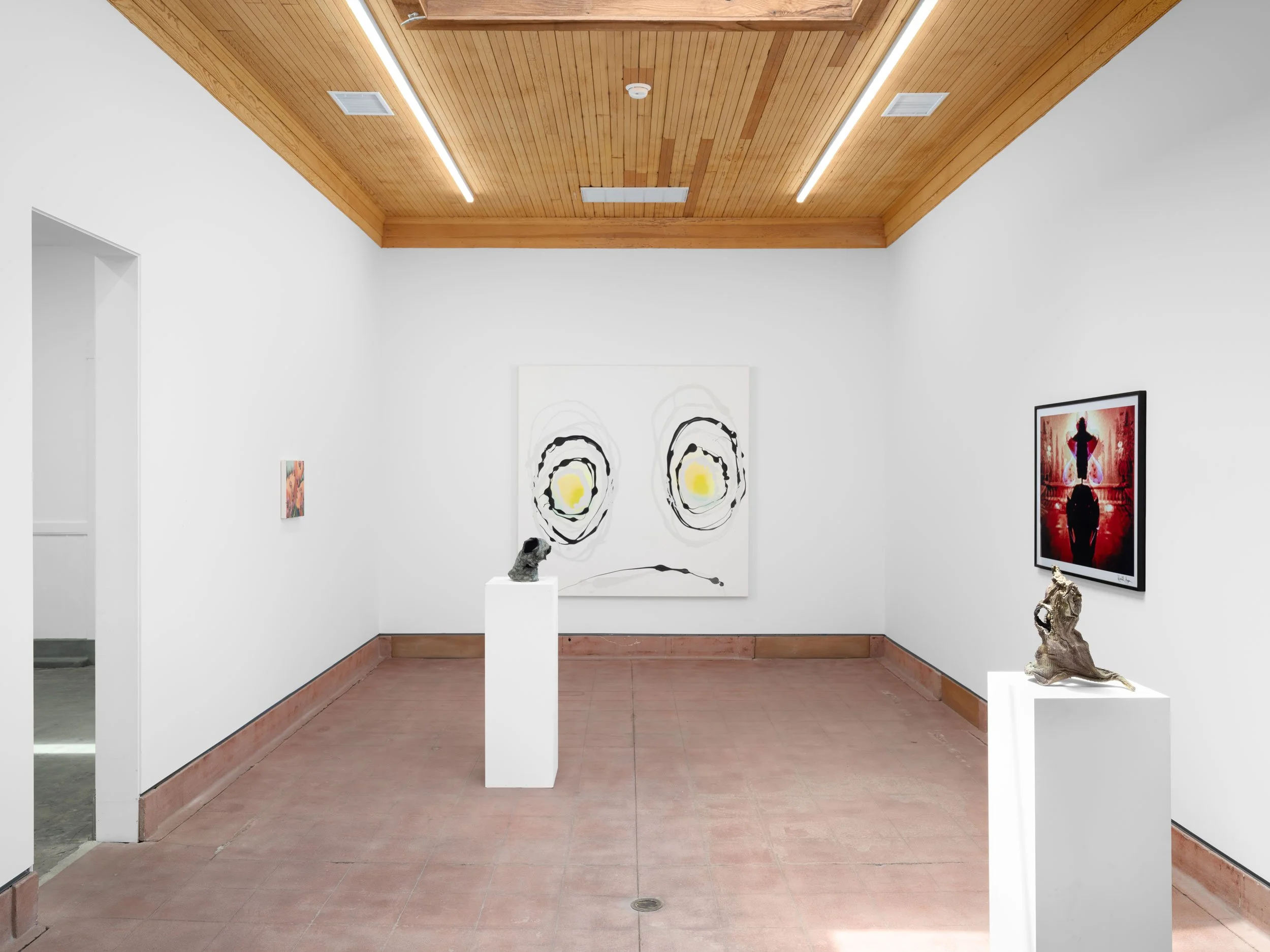
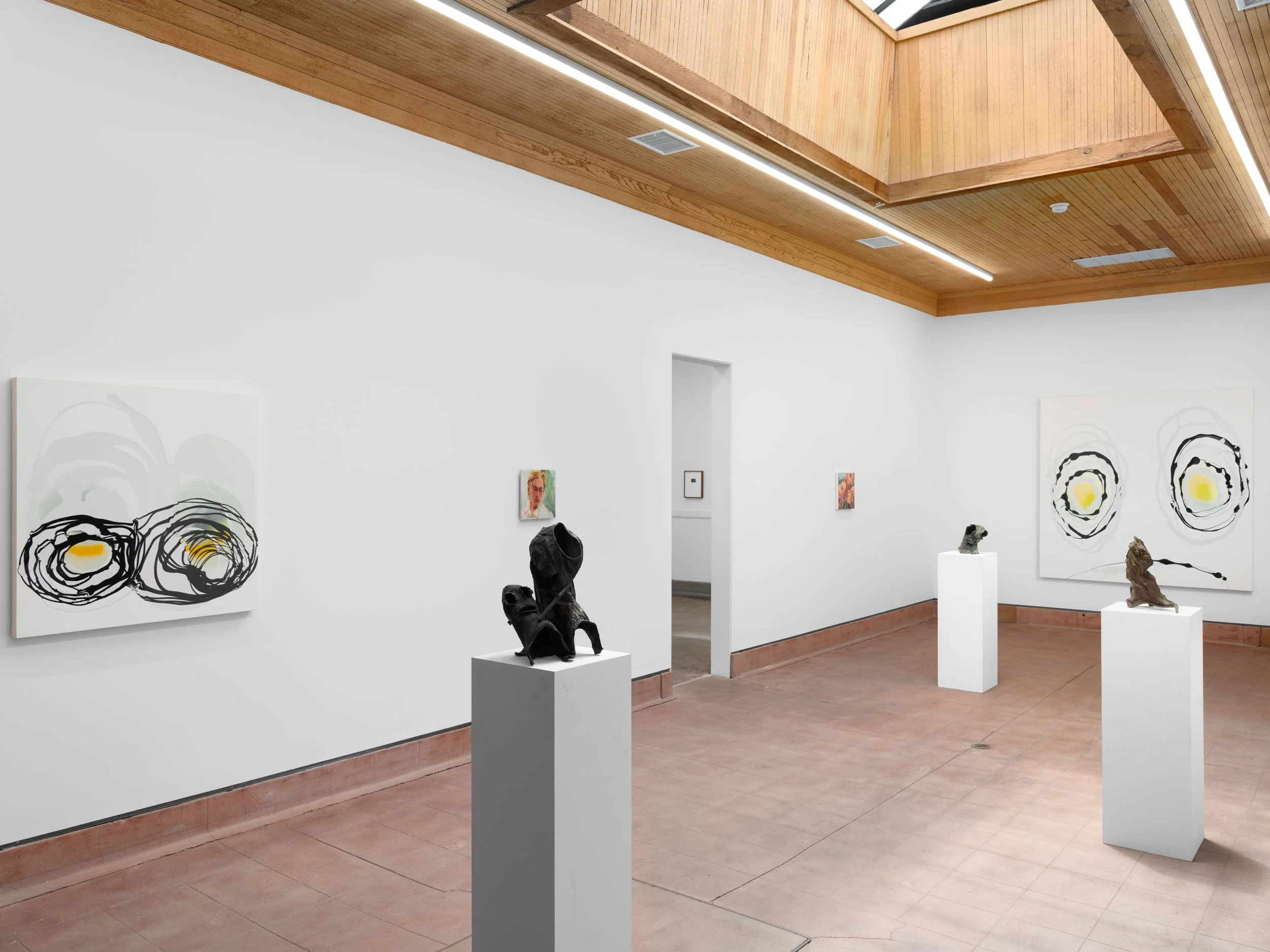
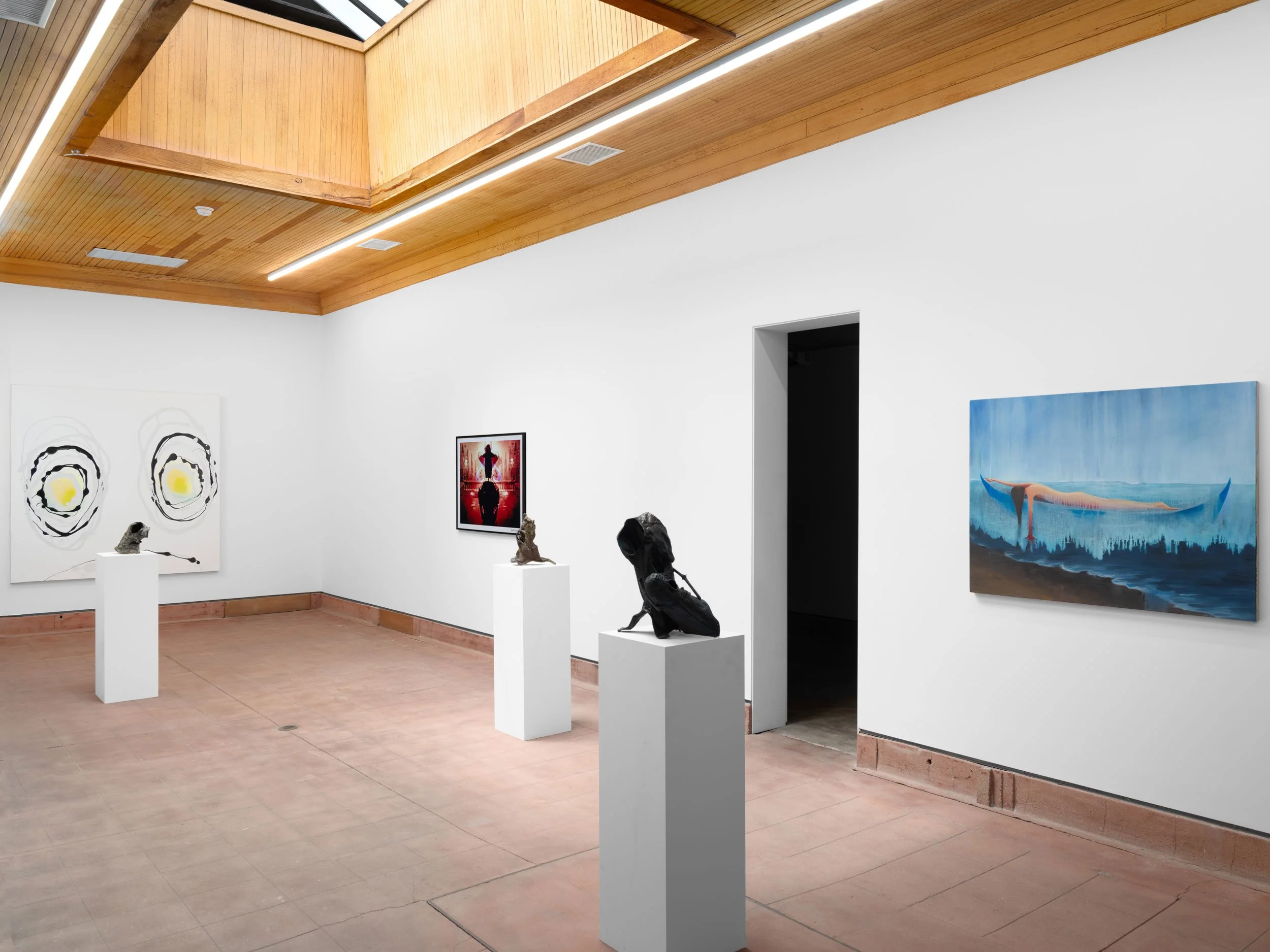
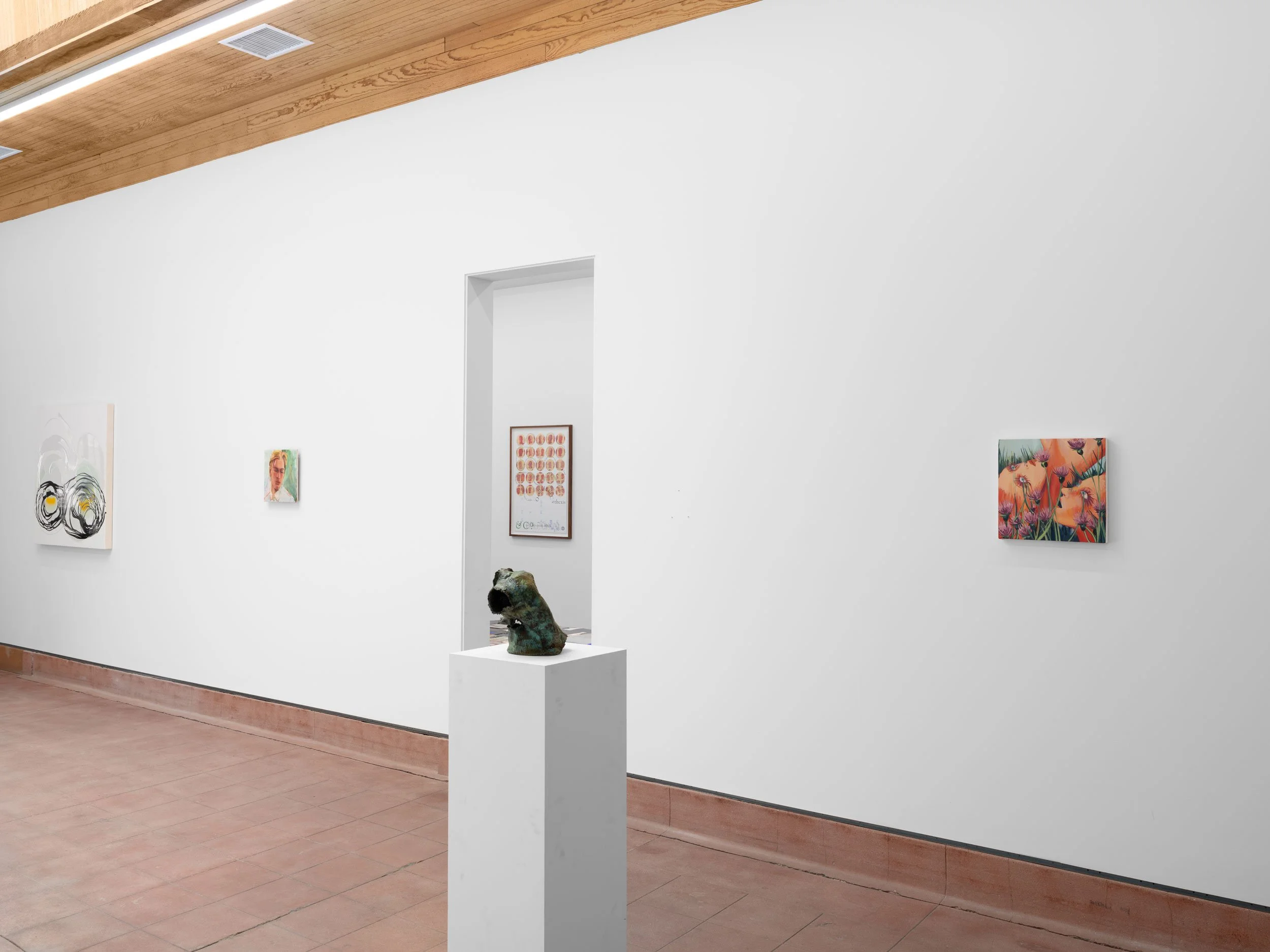
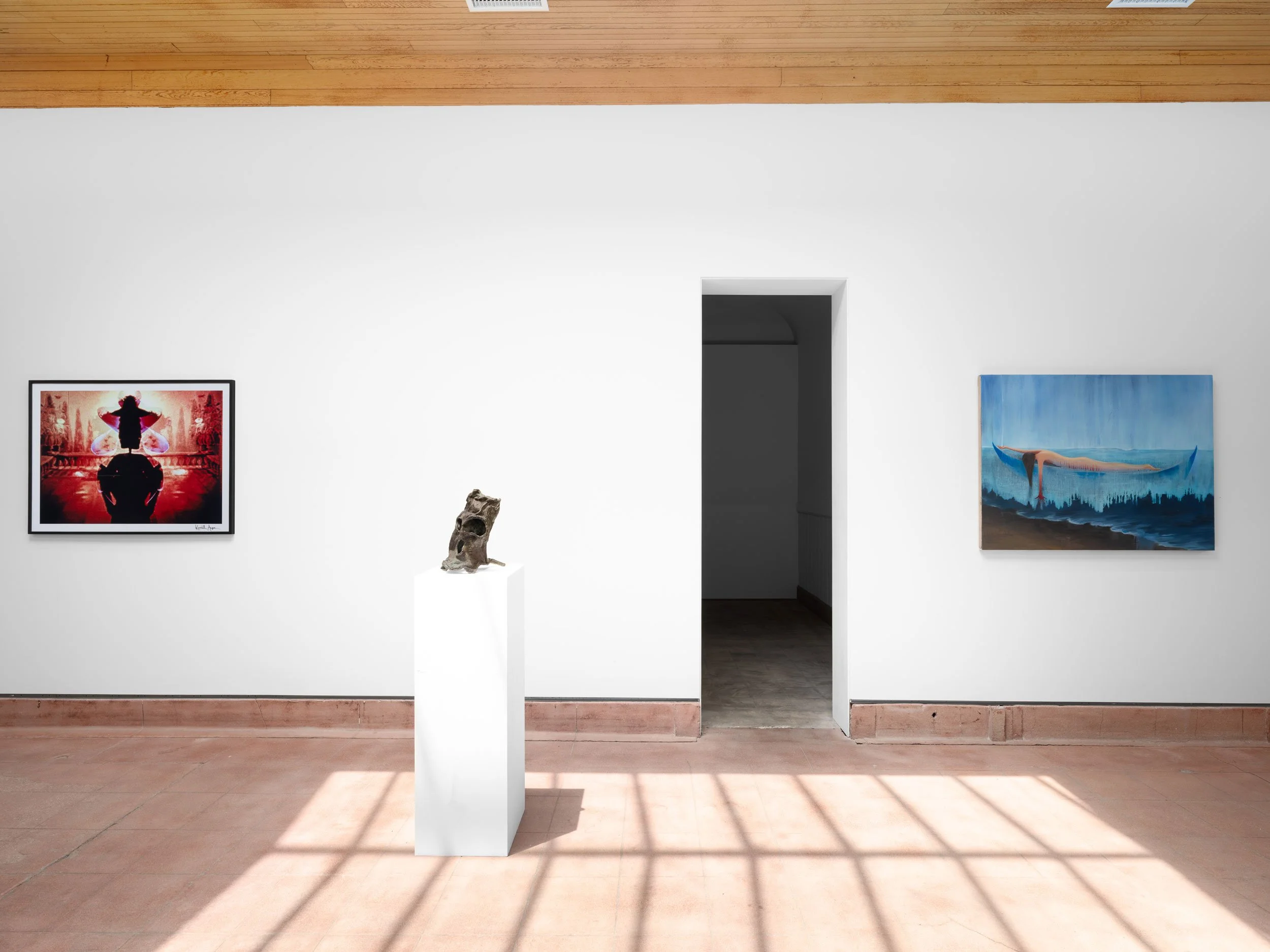
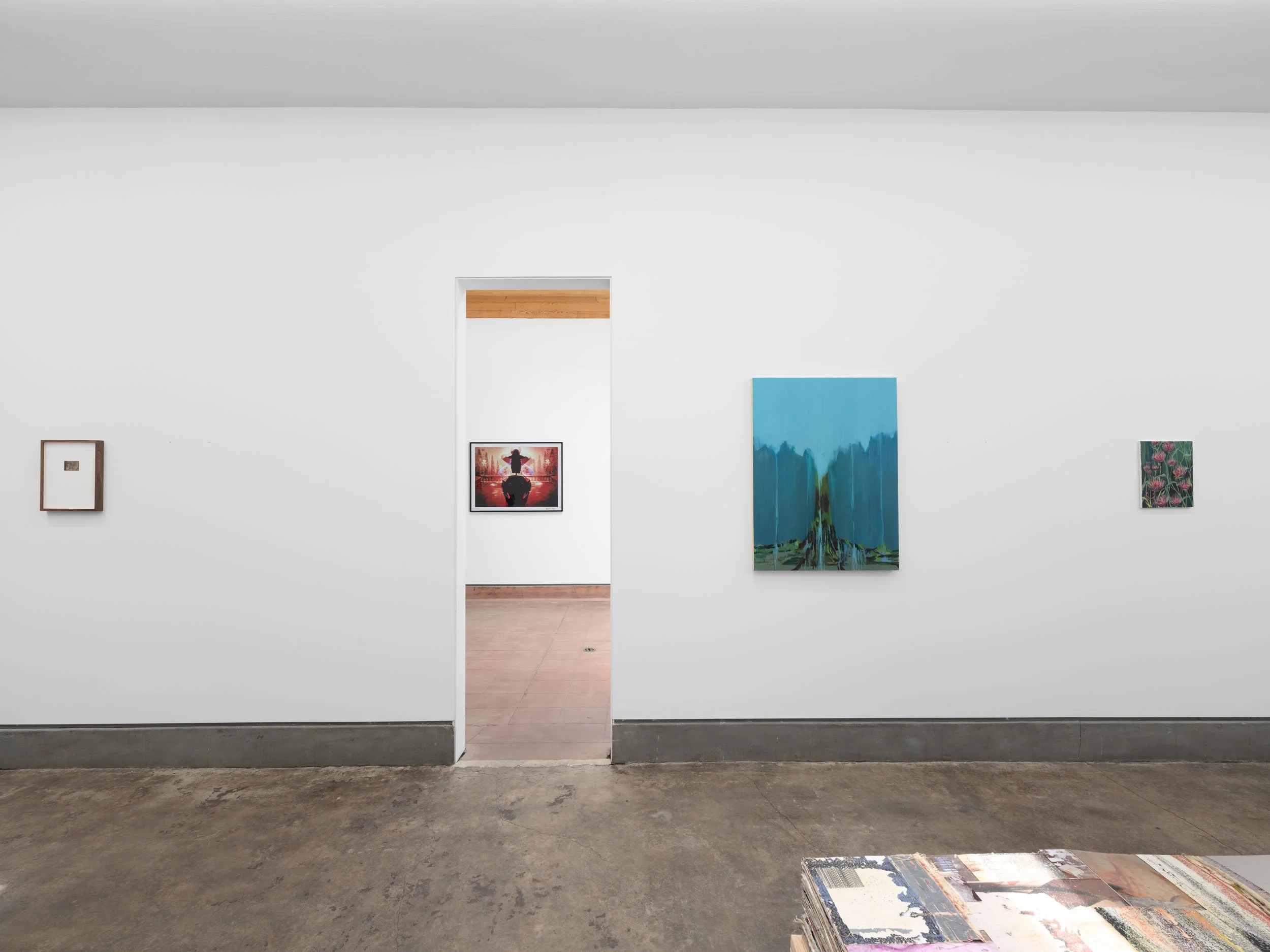
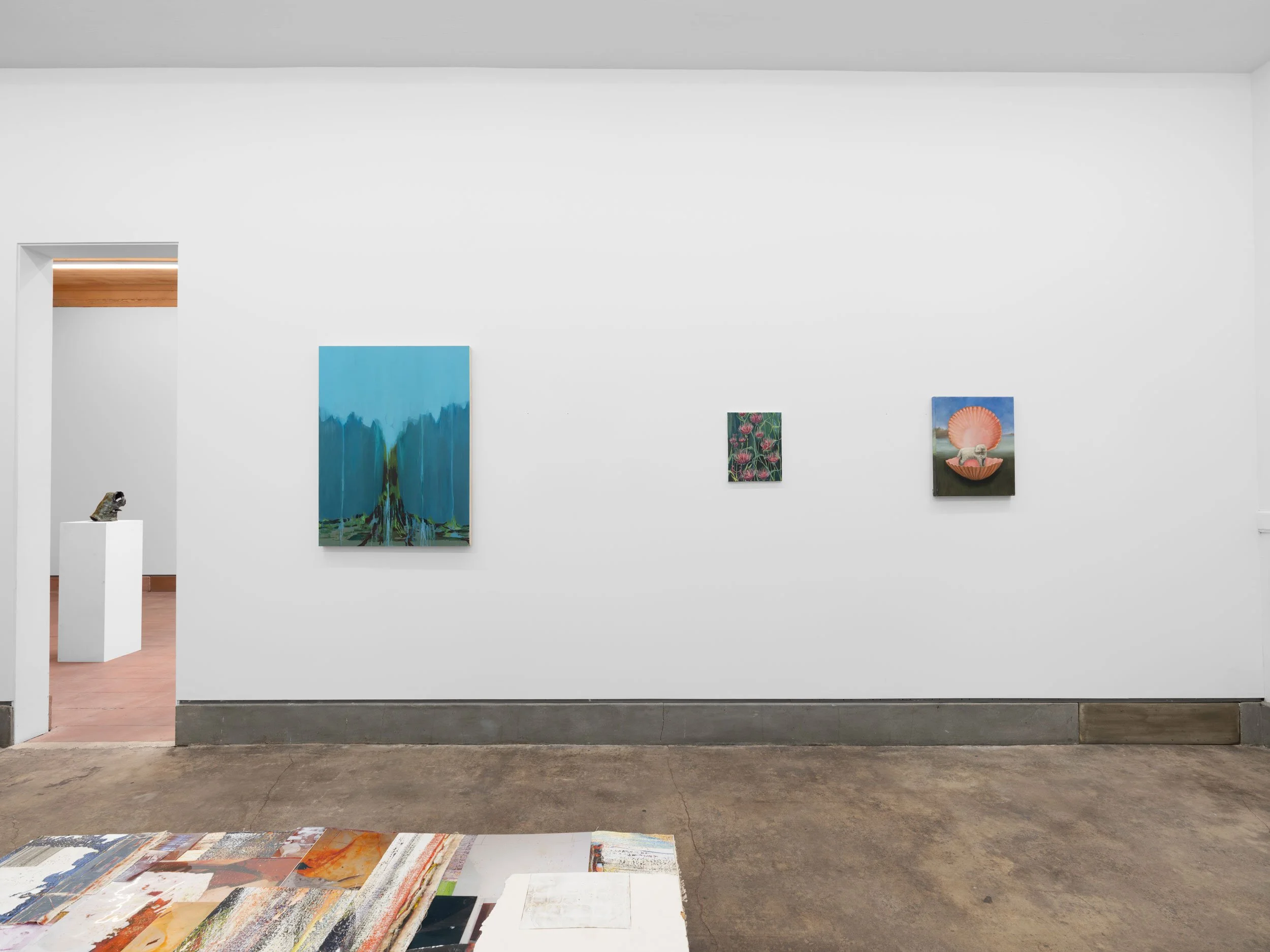
We Breathe the Same Air follows these recurrences without attempting to resolve them. Rather than illustrating belief systems, the exhibition considers how forms migrate between people, artworks, neighborhoods, and generations. Kenneth Anger's Inauguration of the Pleasure Dome dissolves ritual, mythology, and identity into one another through symbolic montage, where meaning accumulates through atmospheres. Catherine Corman's Lonely City transforms the modern city into a psychological landscape where memory and solitude quietly converge. Emma Gray approaches painting as an elemental process of continual becoming, allowing portrait and landscape to dissolve into one another through revision and intuition.
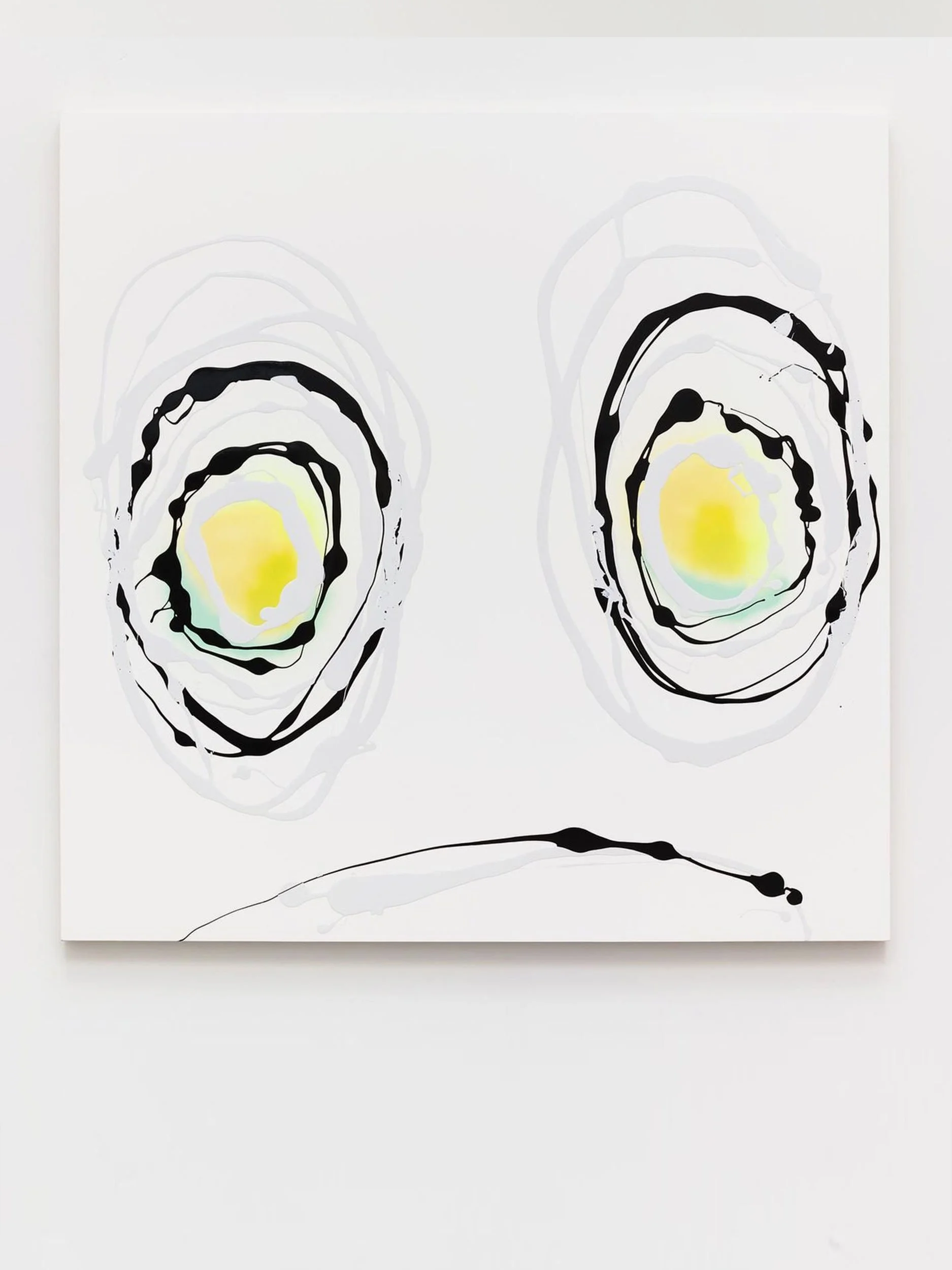
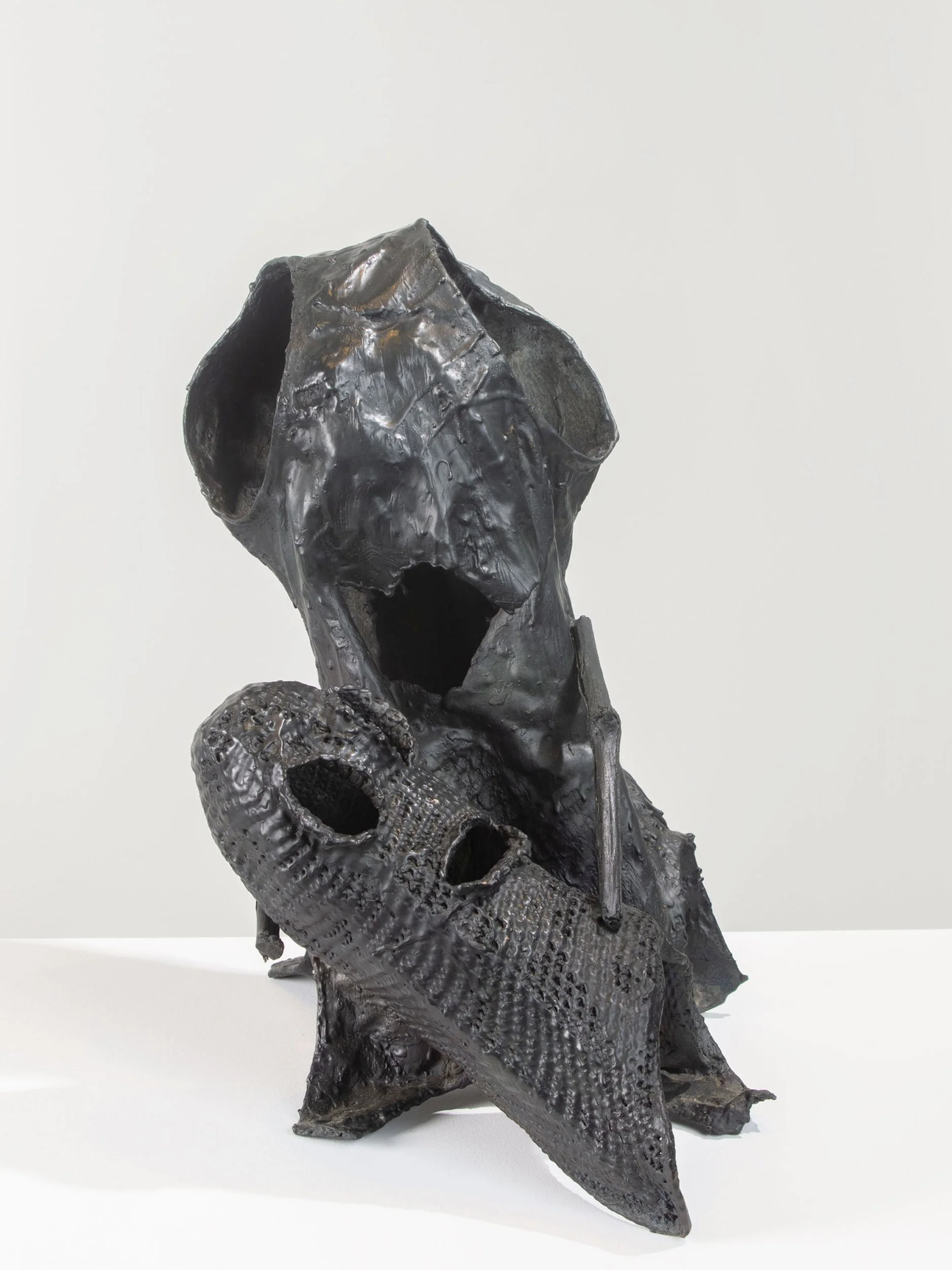
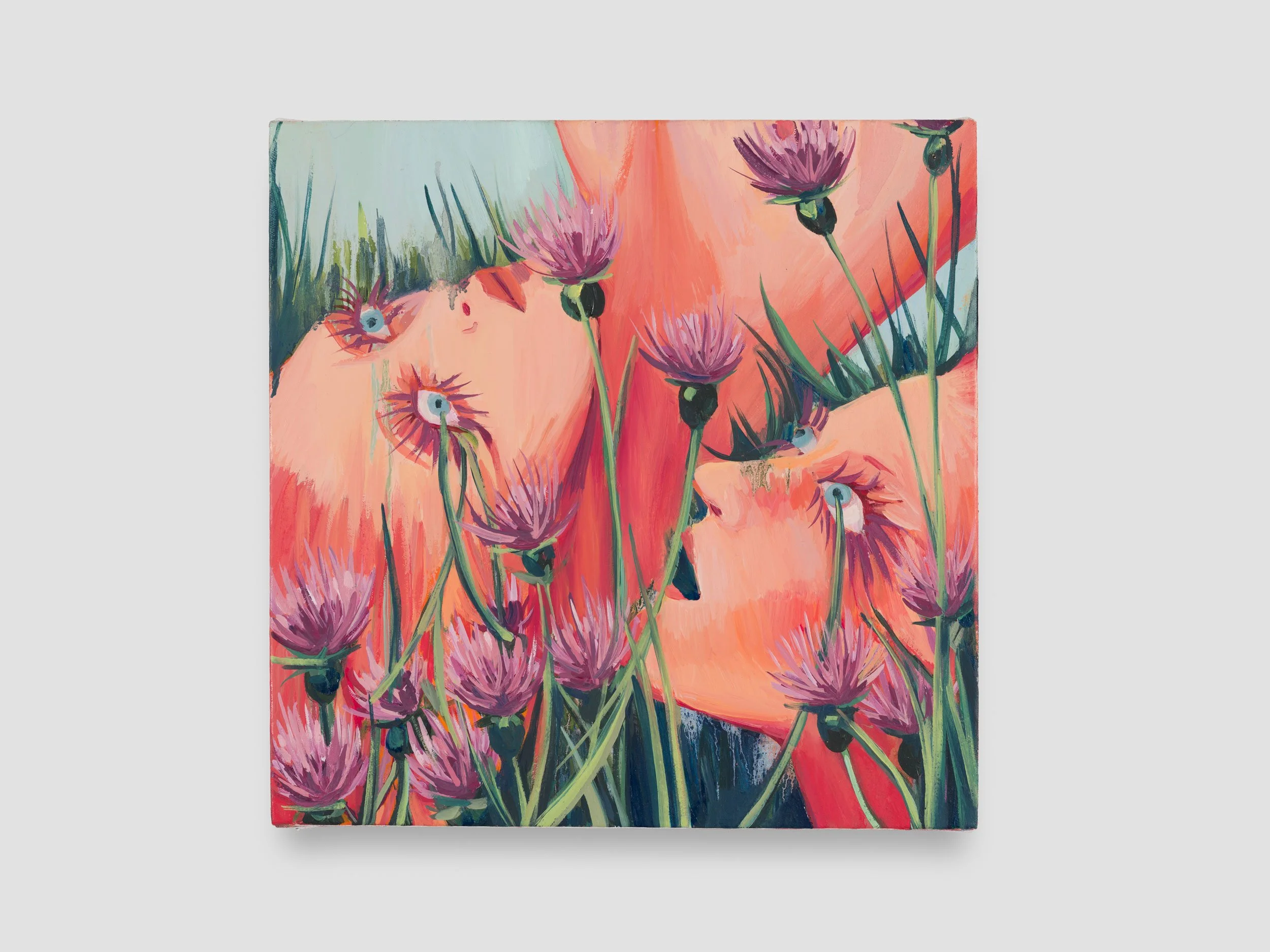
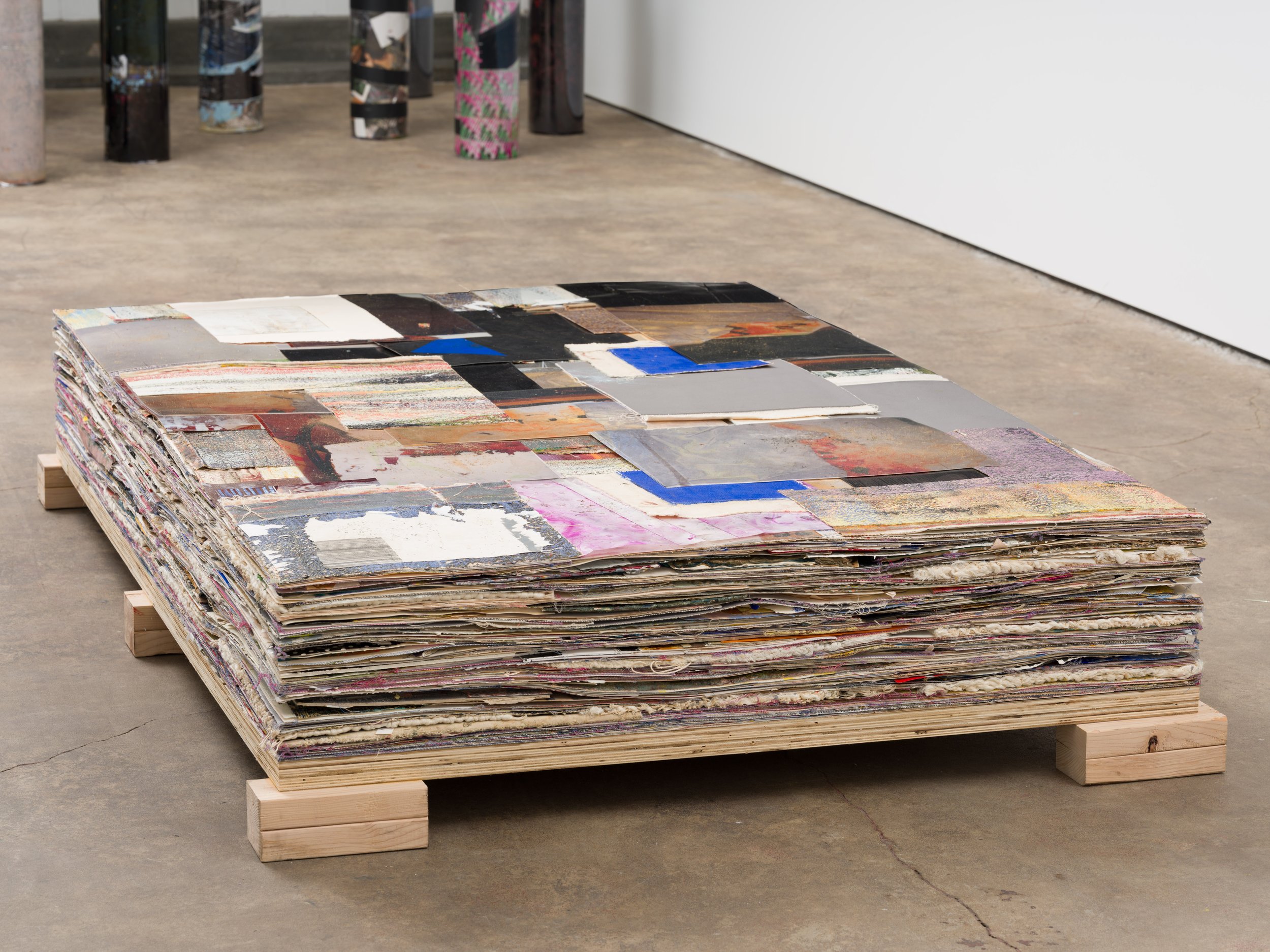
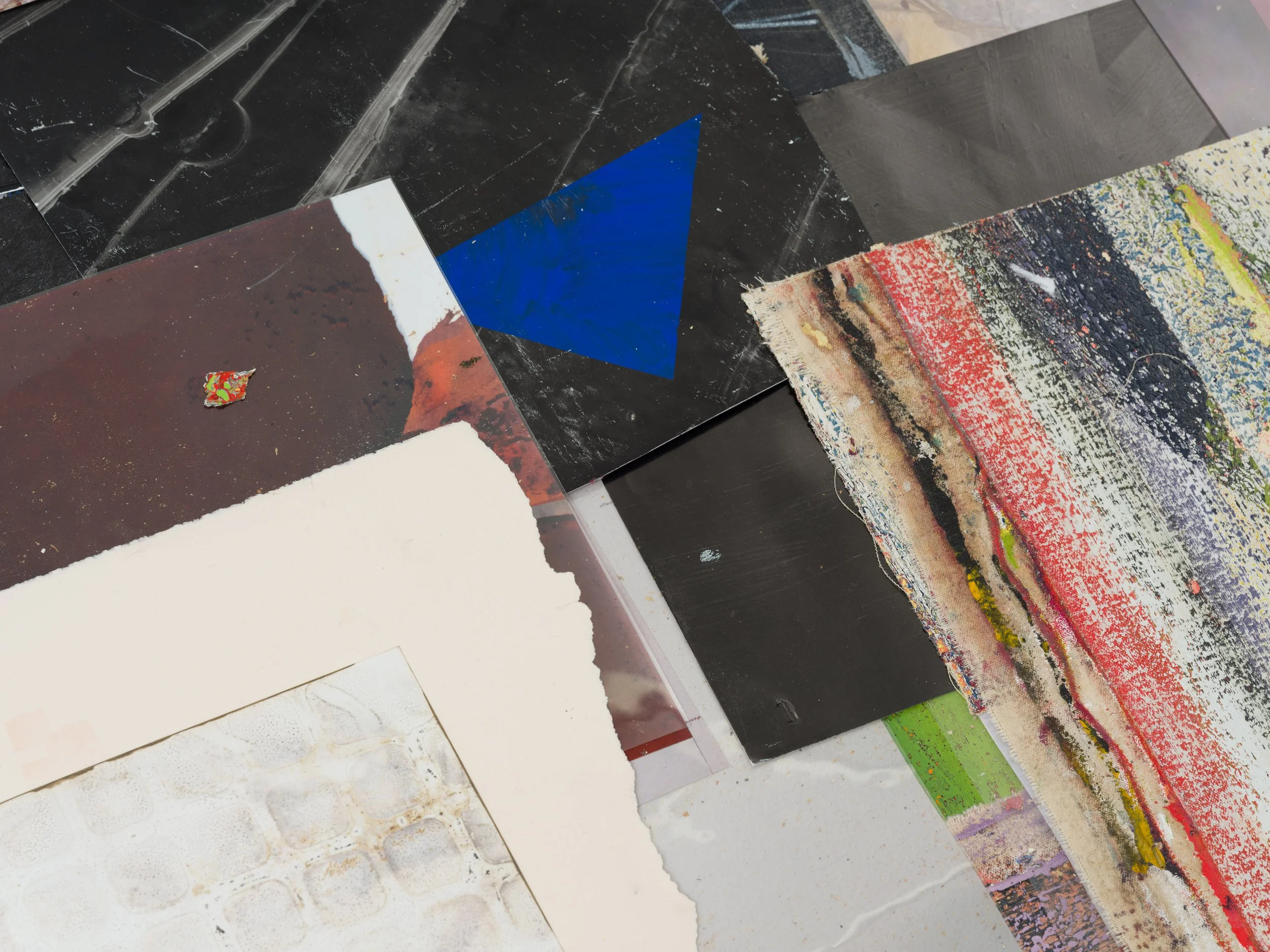
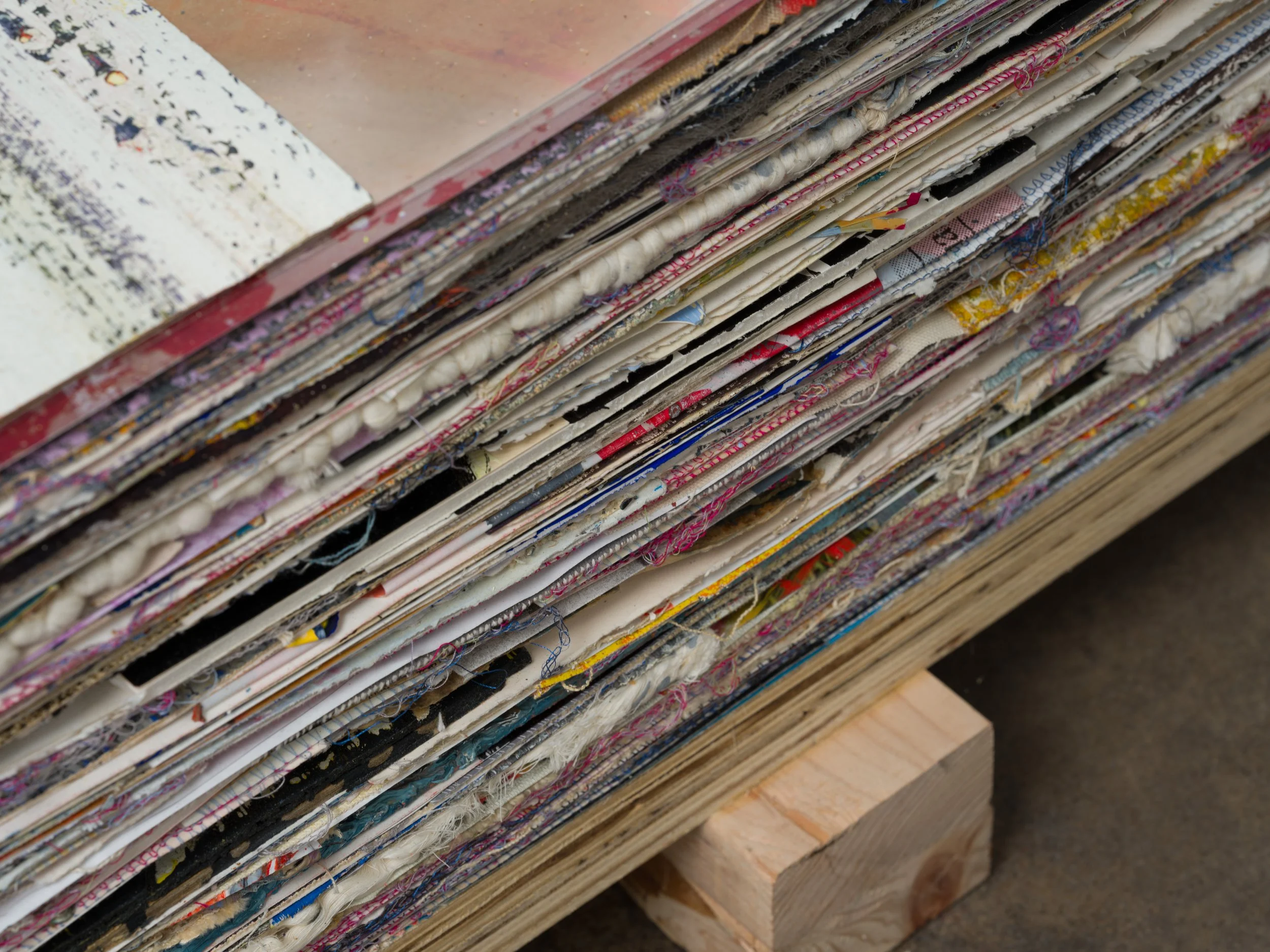
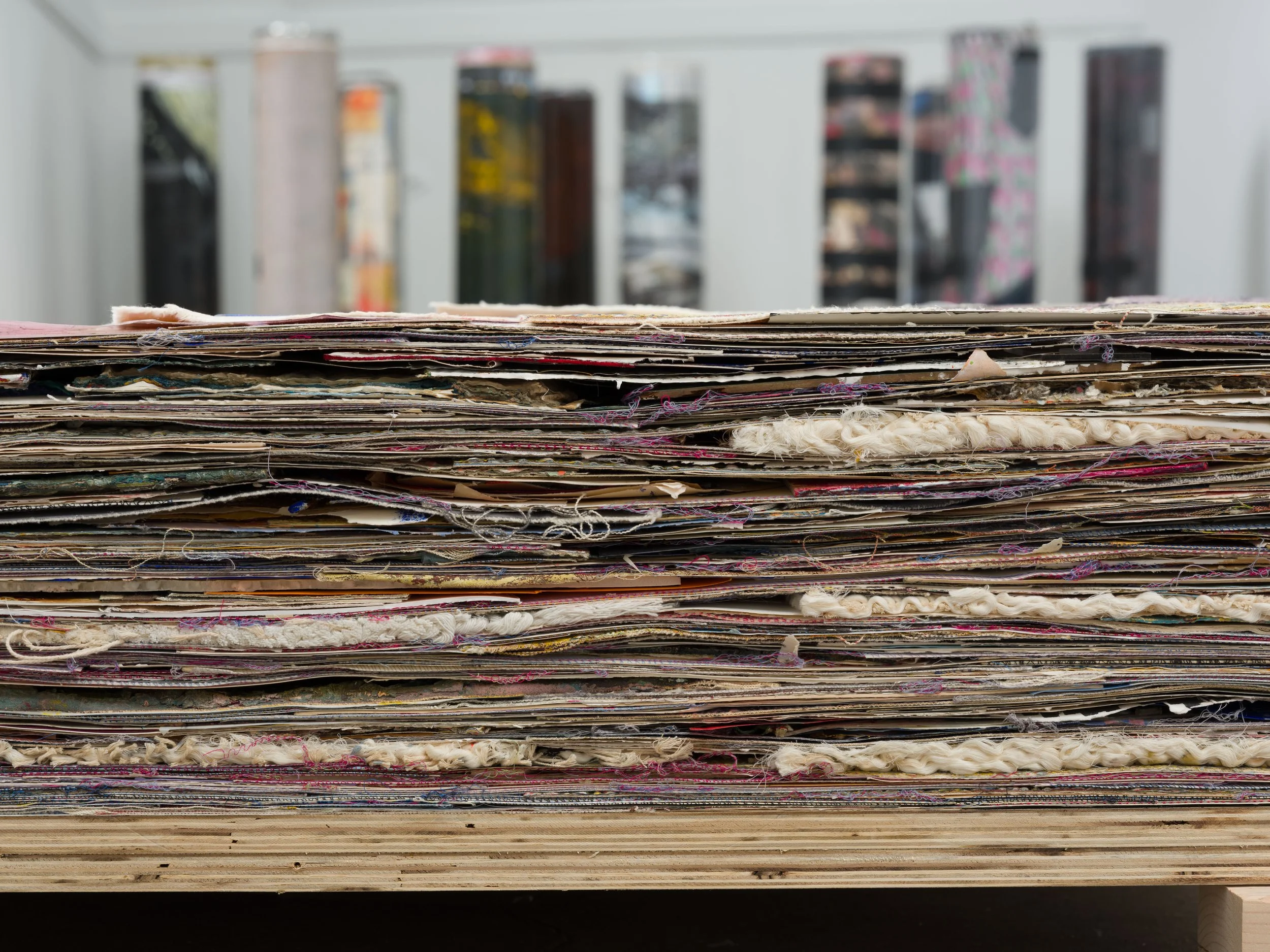
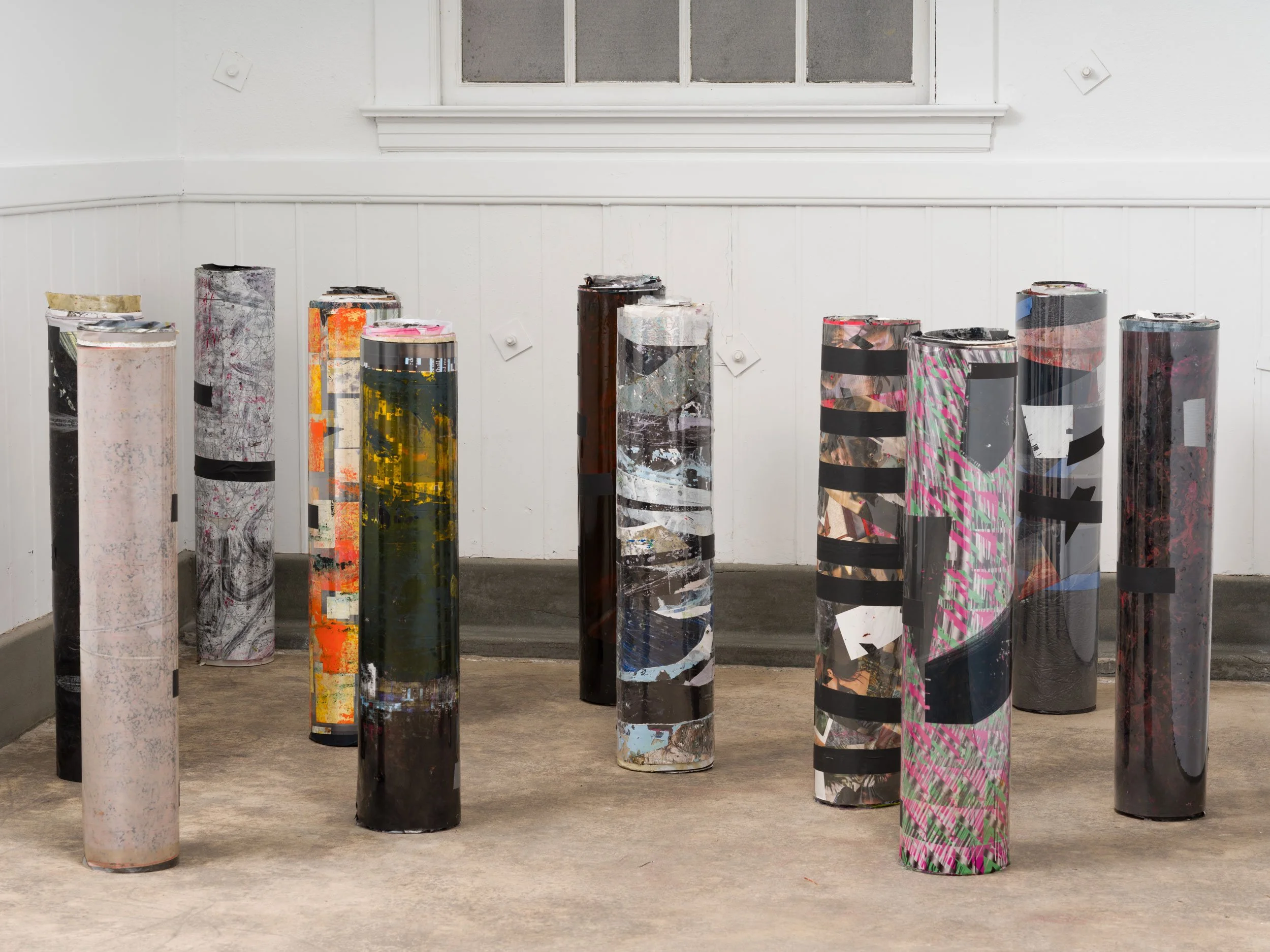
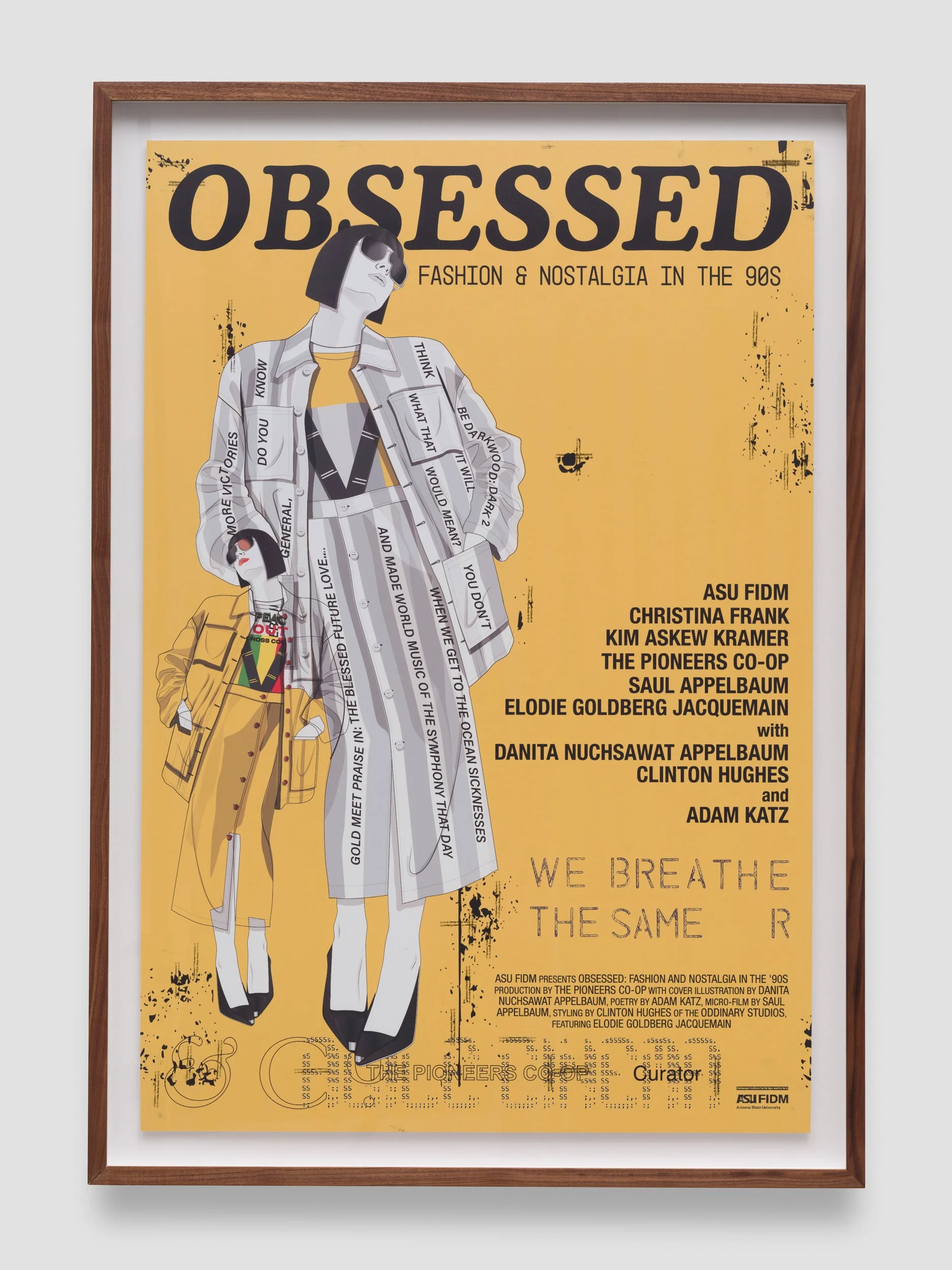
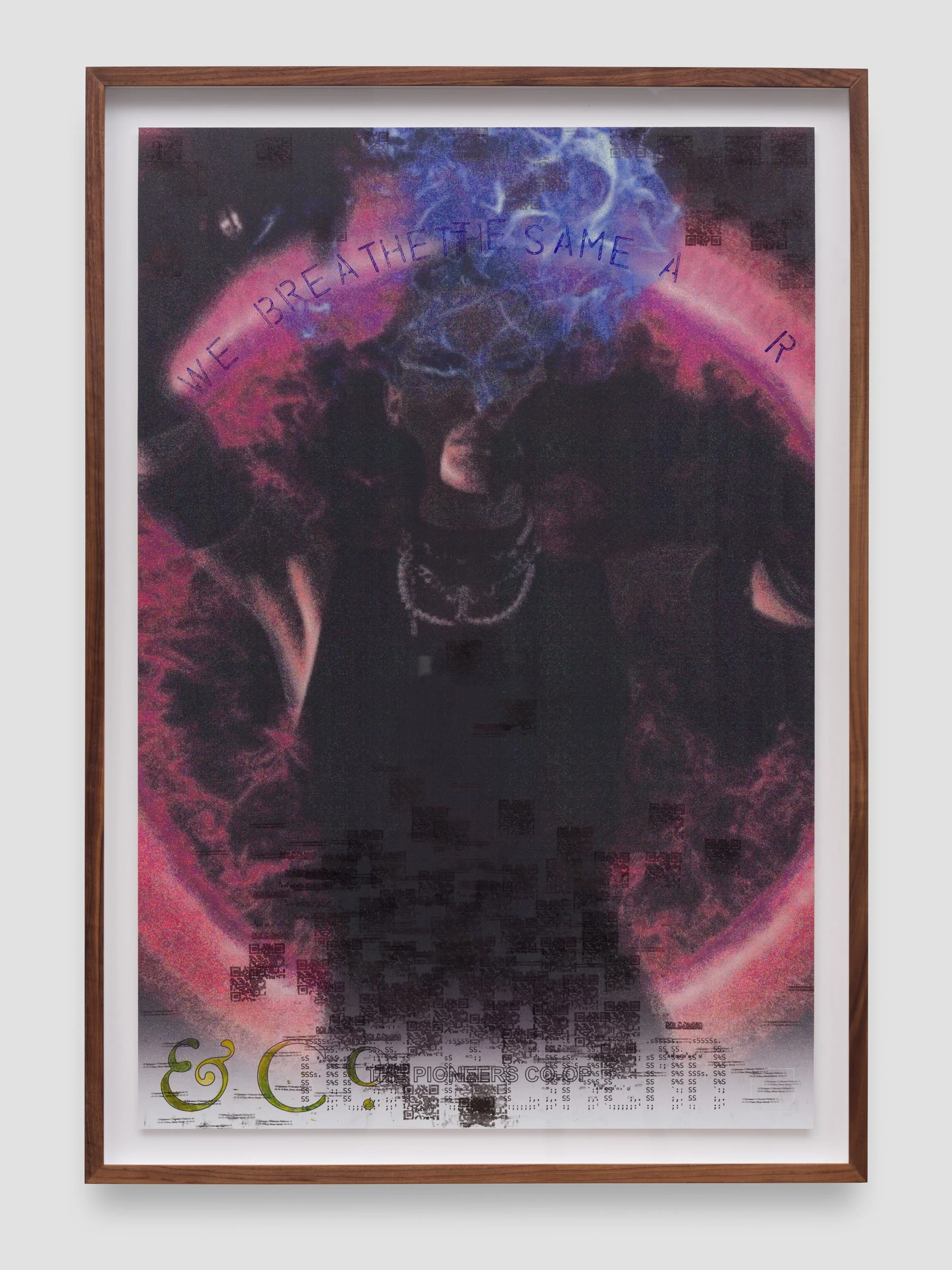
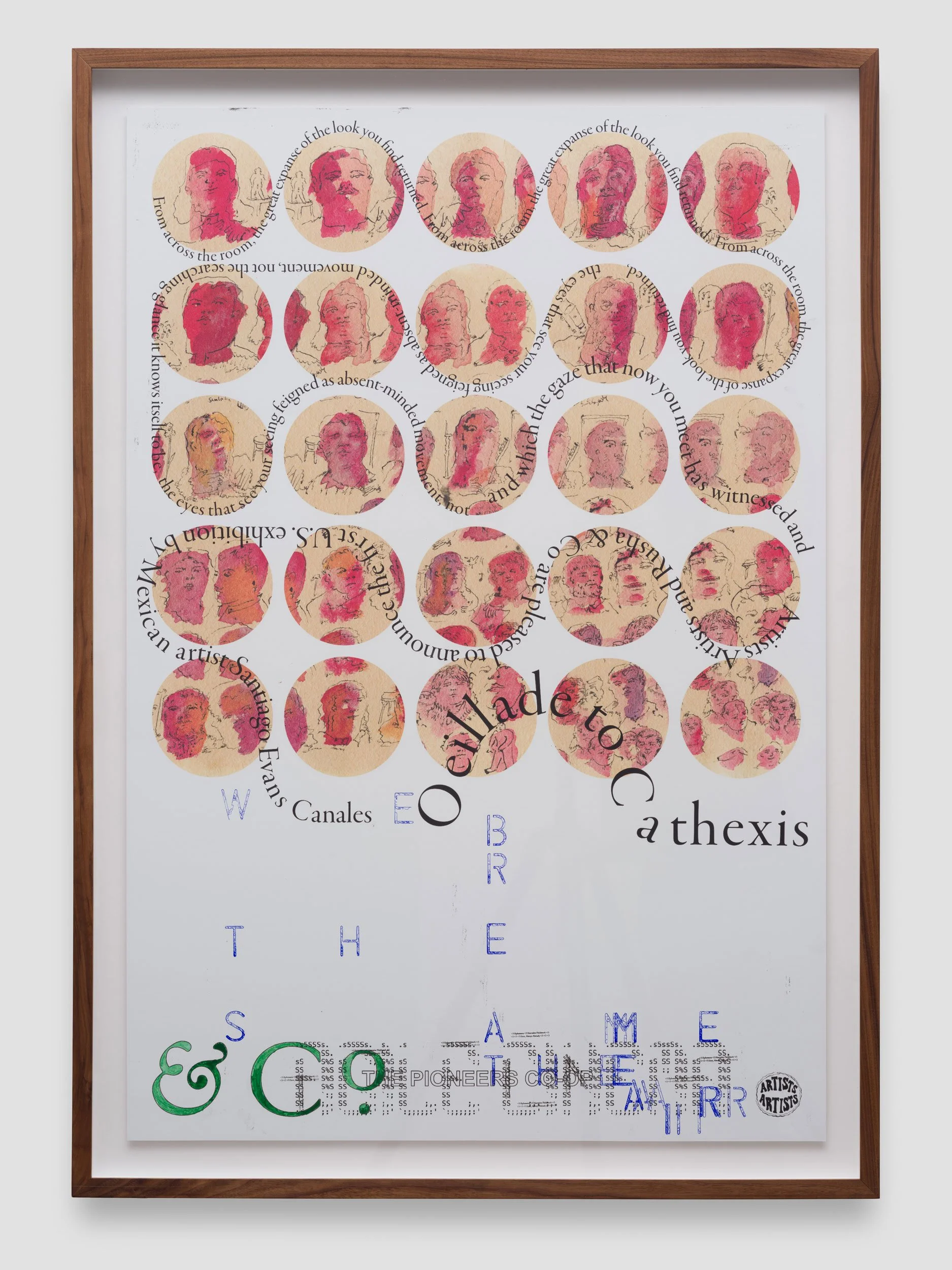
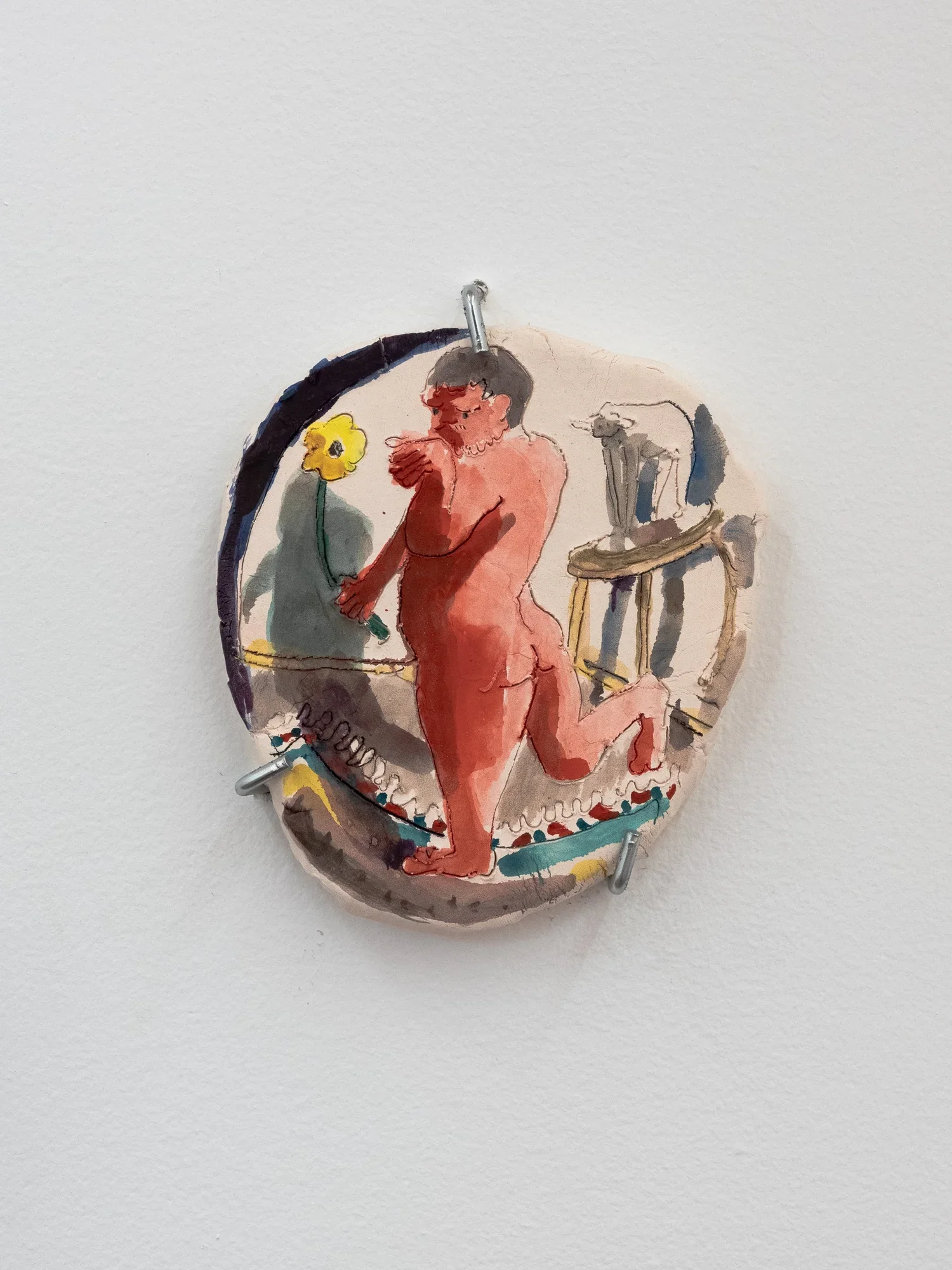
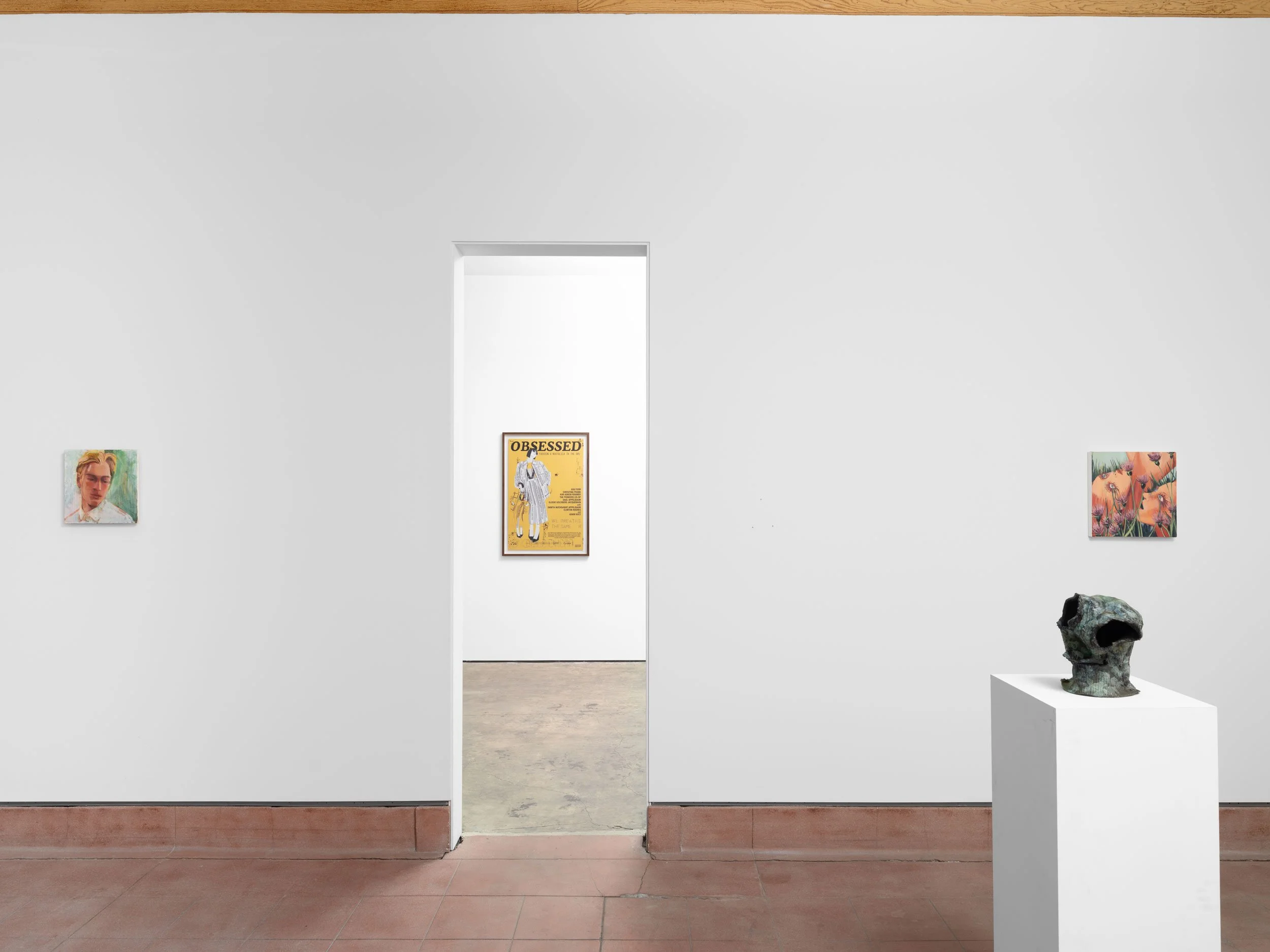
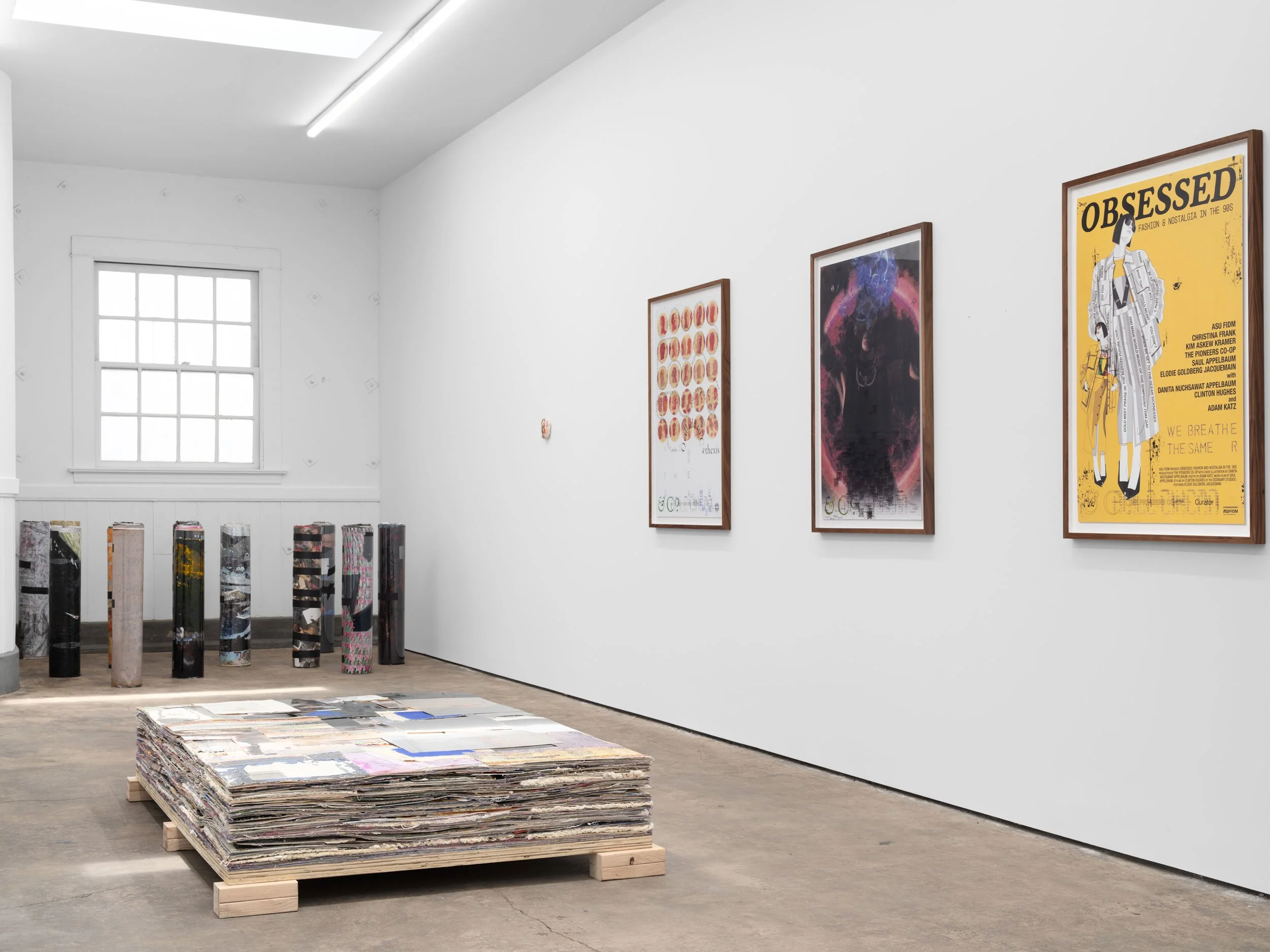
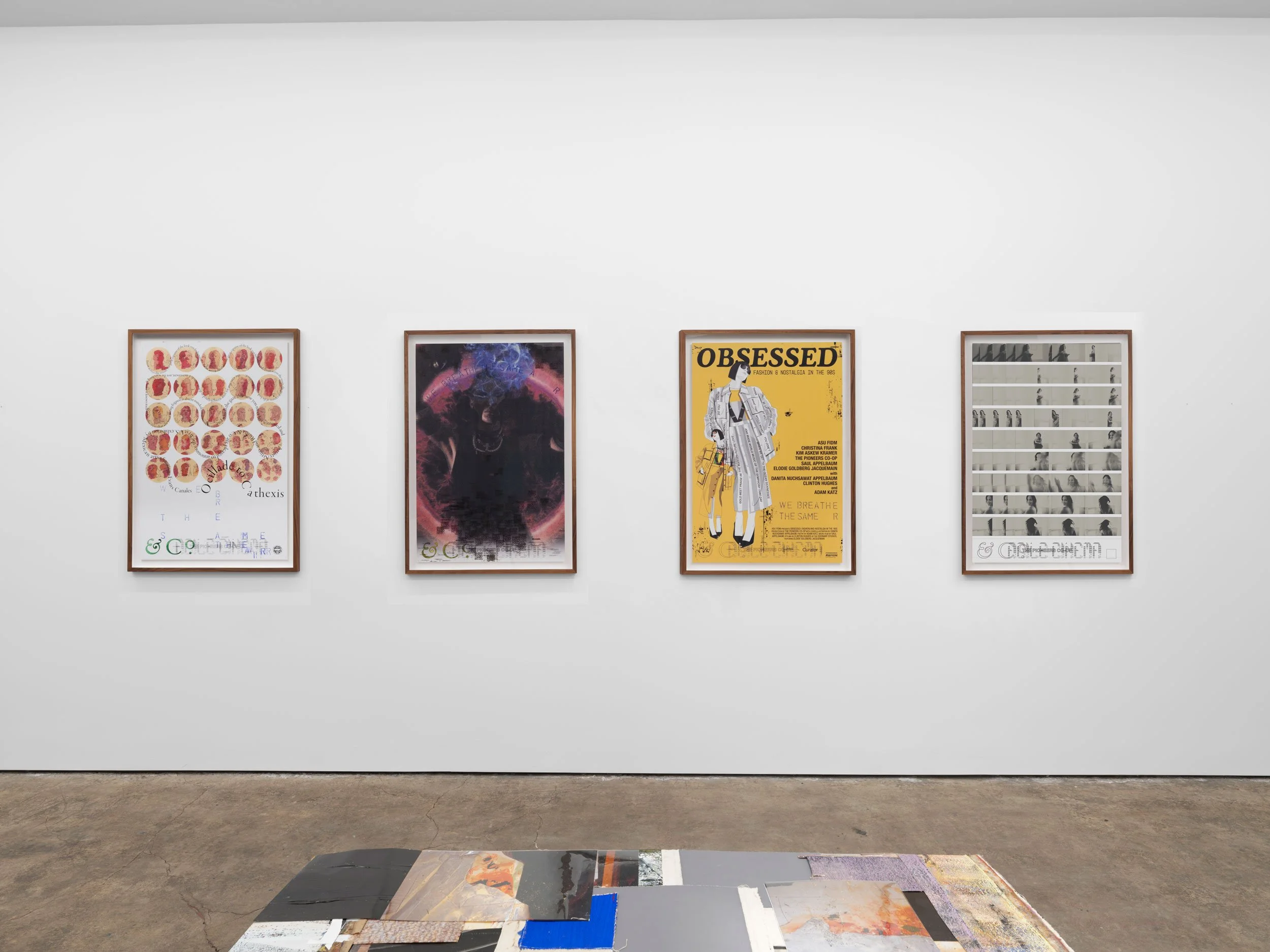
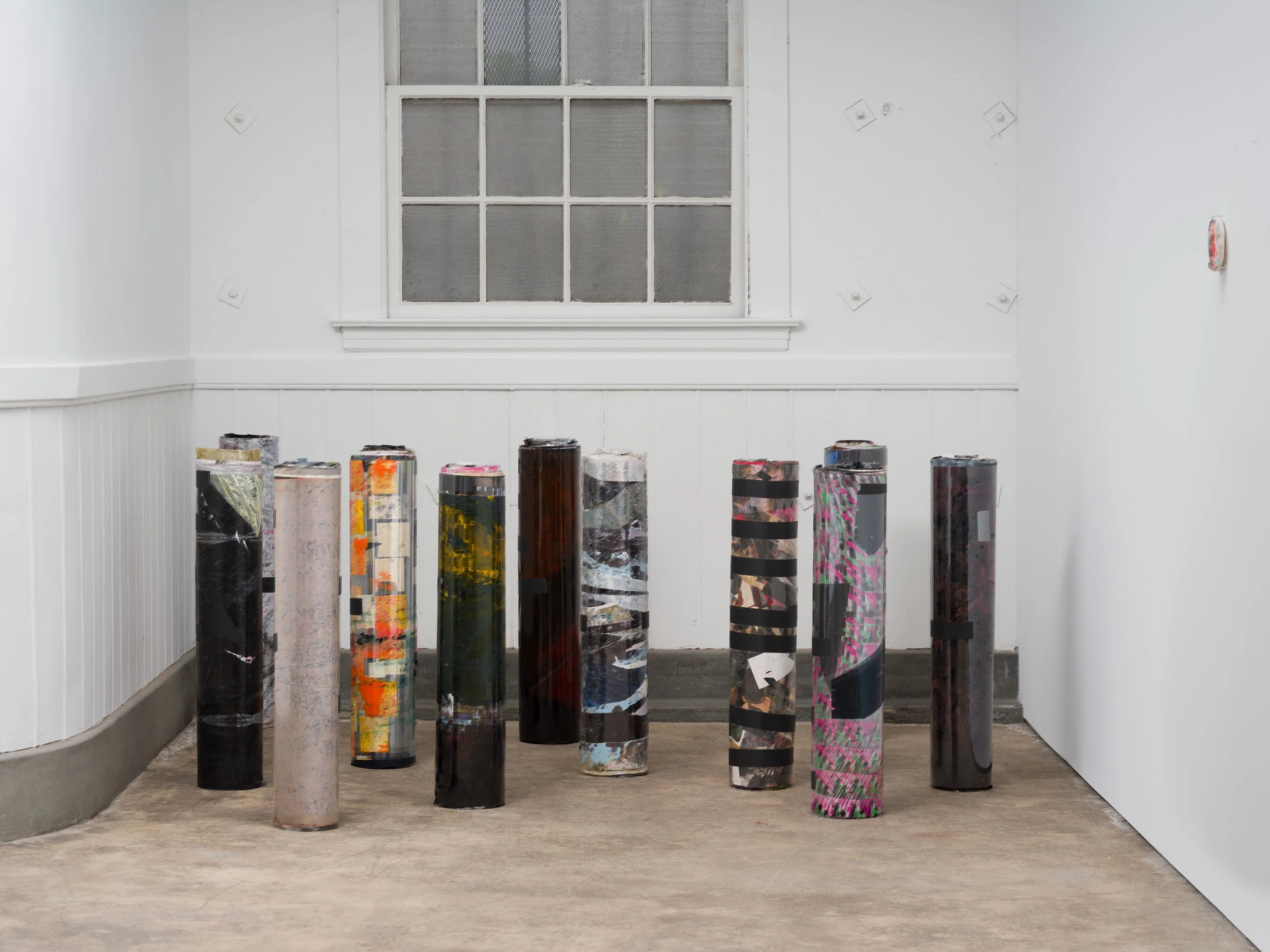
Elsewhere, Jon Pylypchuk's bronze ghosts transform grief into enduring material form, preserving absence through repeated acts of remembrance. Rebekah Rubalcava's painting inhabits the charged territory between religious symbolism, sexuality, and feminine experience, where inherited systems of belief are continuously reimagined through lived experience. Saul Appelbaum's paintings extend beyond individual works into an evolving collaborative counter-archive with Artists Artists, Danita Nuchsawat Appelbaum, Santiago Evans Canales, Oceana Celeste, Elodie Goldberg Jacquemain, Adam Katz, Hyungi Park of Goyo, and Natalia Reyes, with a text by scholar Susan Aberth. If history is always unfinished, perhaps archives can be understood not only as repositories of evidence but as living records of affinity, transmission, and shared attention.
If there is a proposition here, it is a modest one: that culture is carried less by isolated masterpieces than by atmosphere. We inherit ways of seeing from one another as naturally as we inhale. The same air passes through paintings, conversations, cities, friendships, and bodies. The exhibition simply asks what else may already be moving through it.