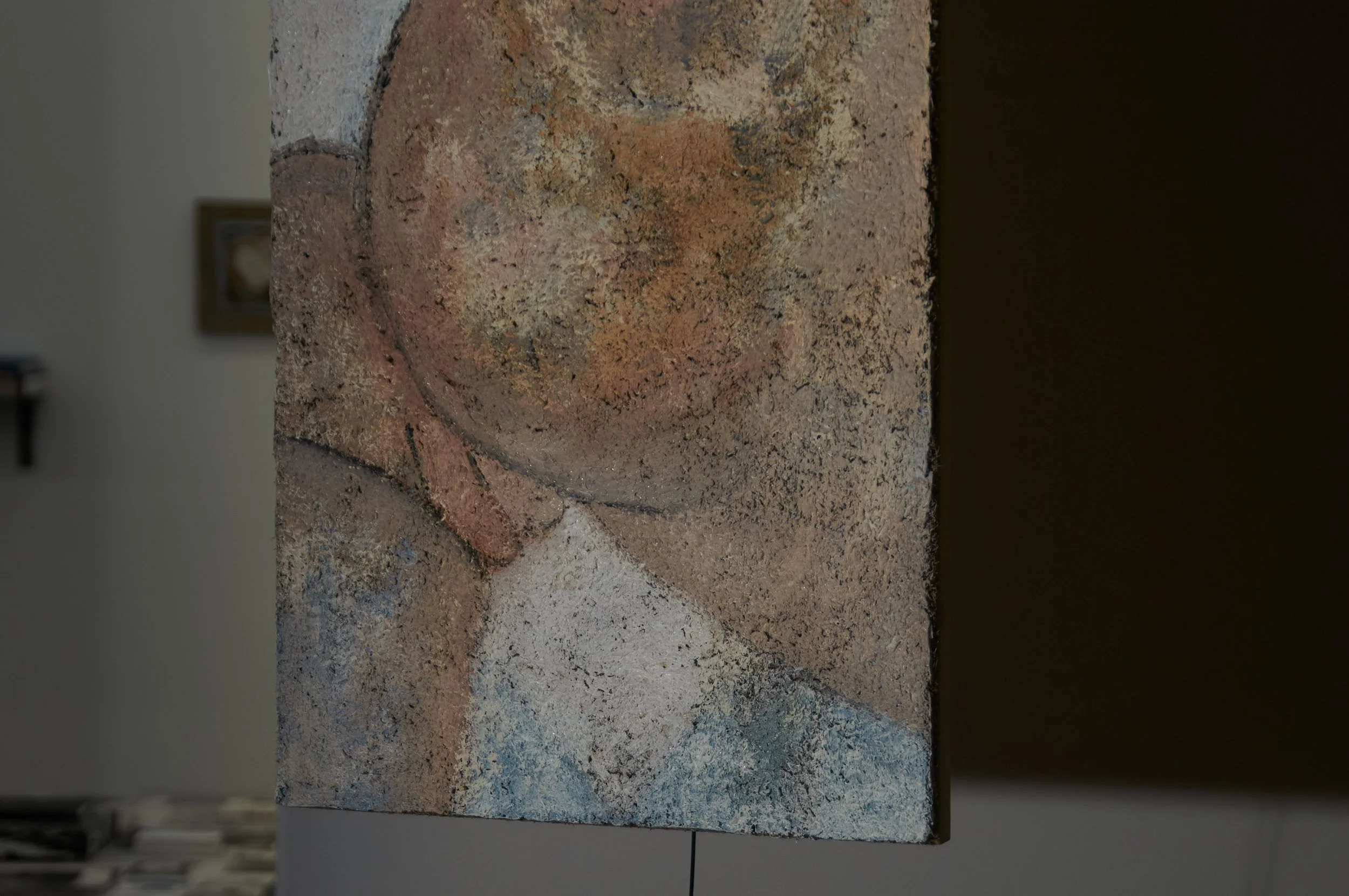
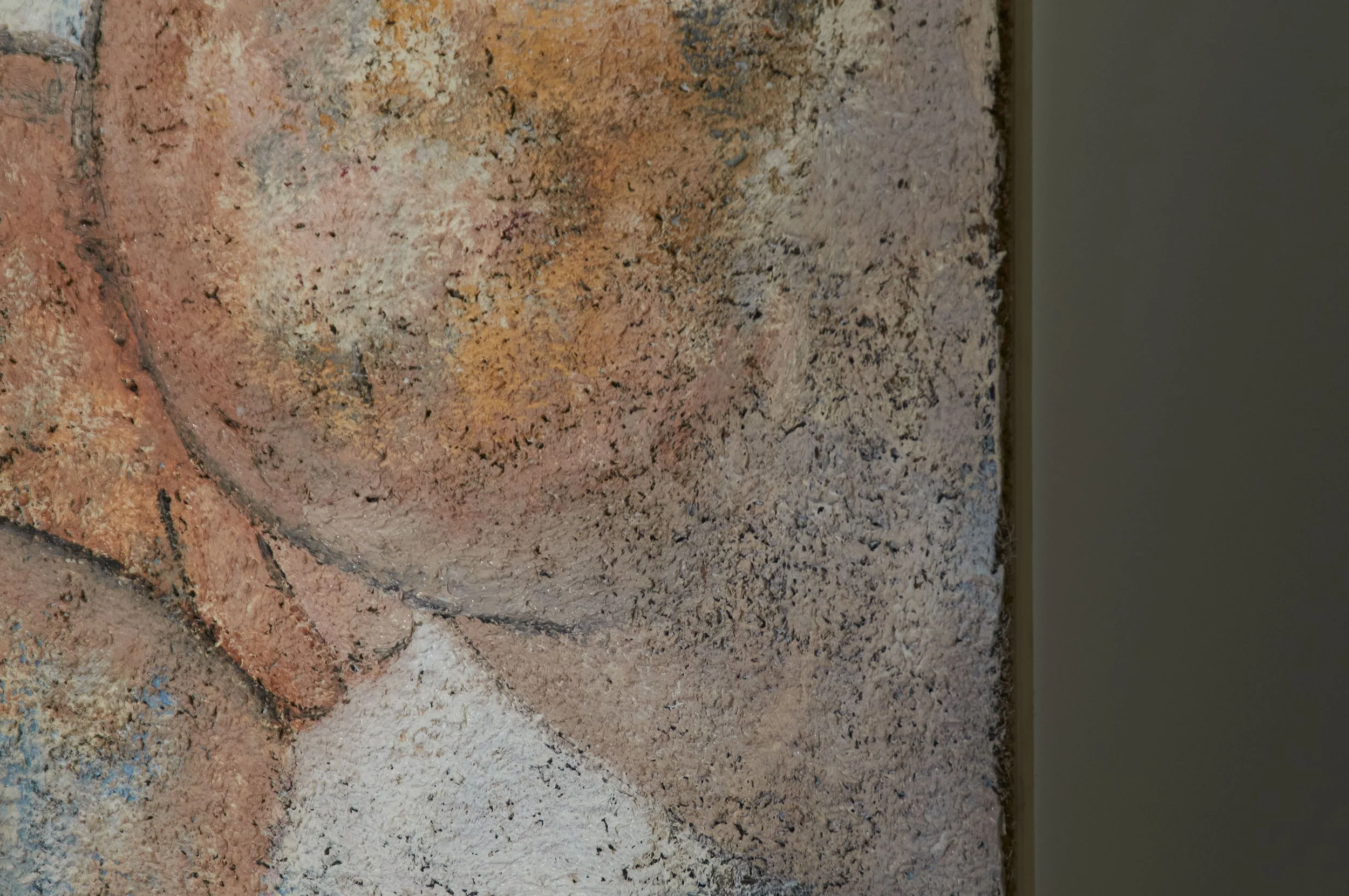
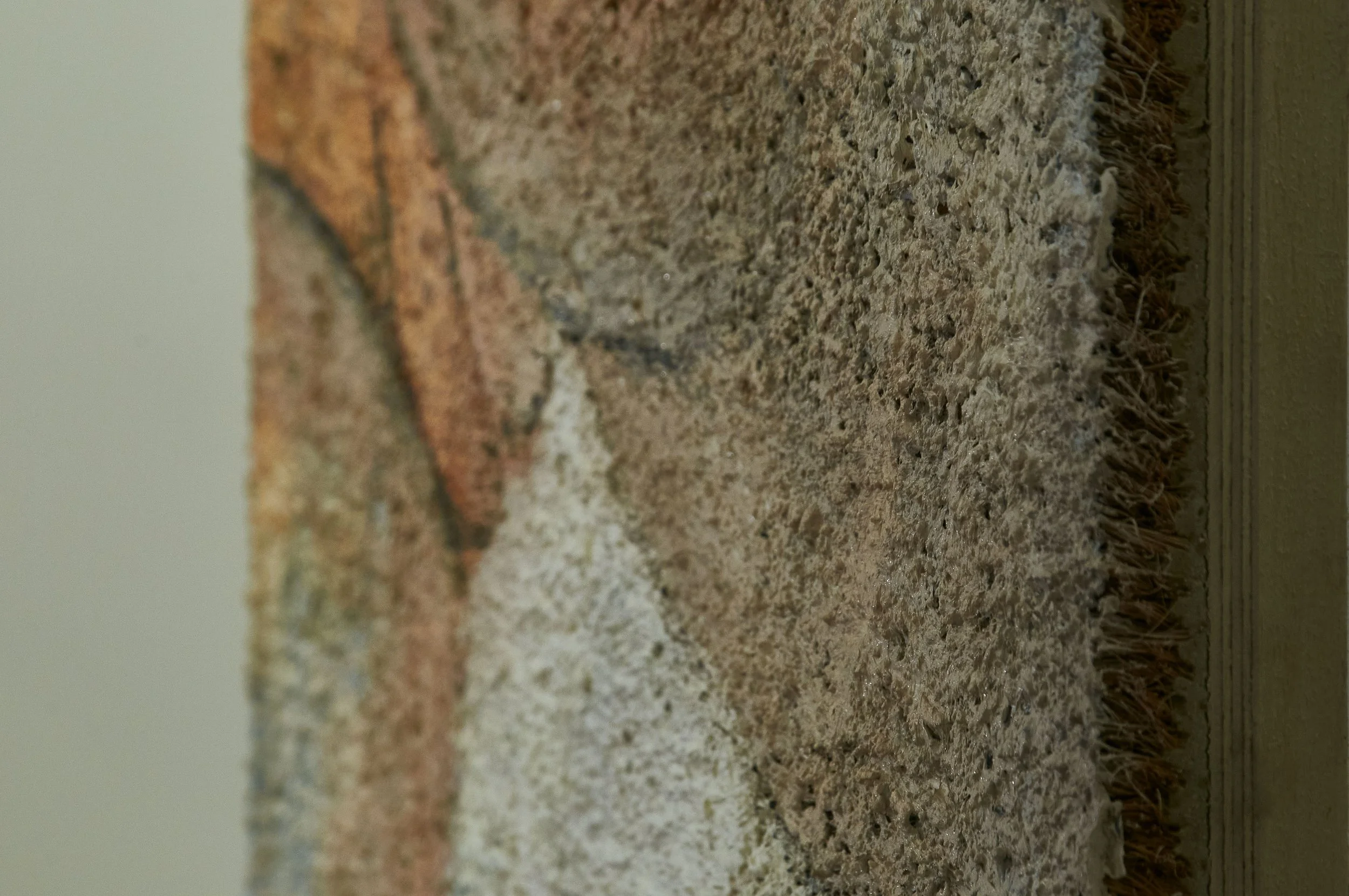
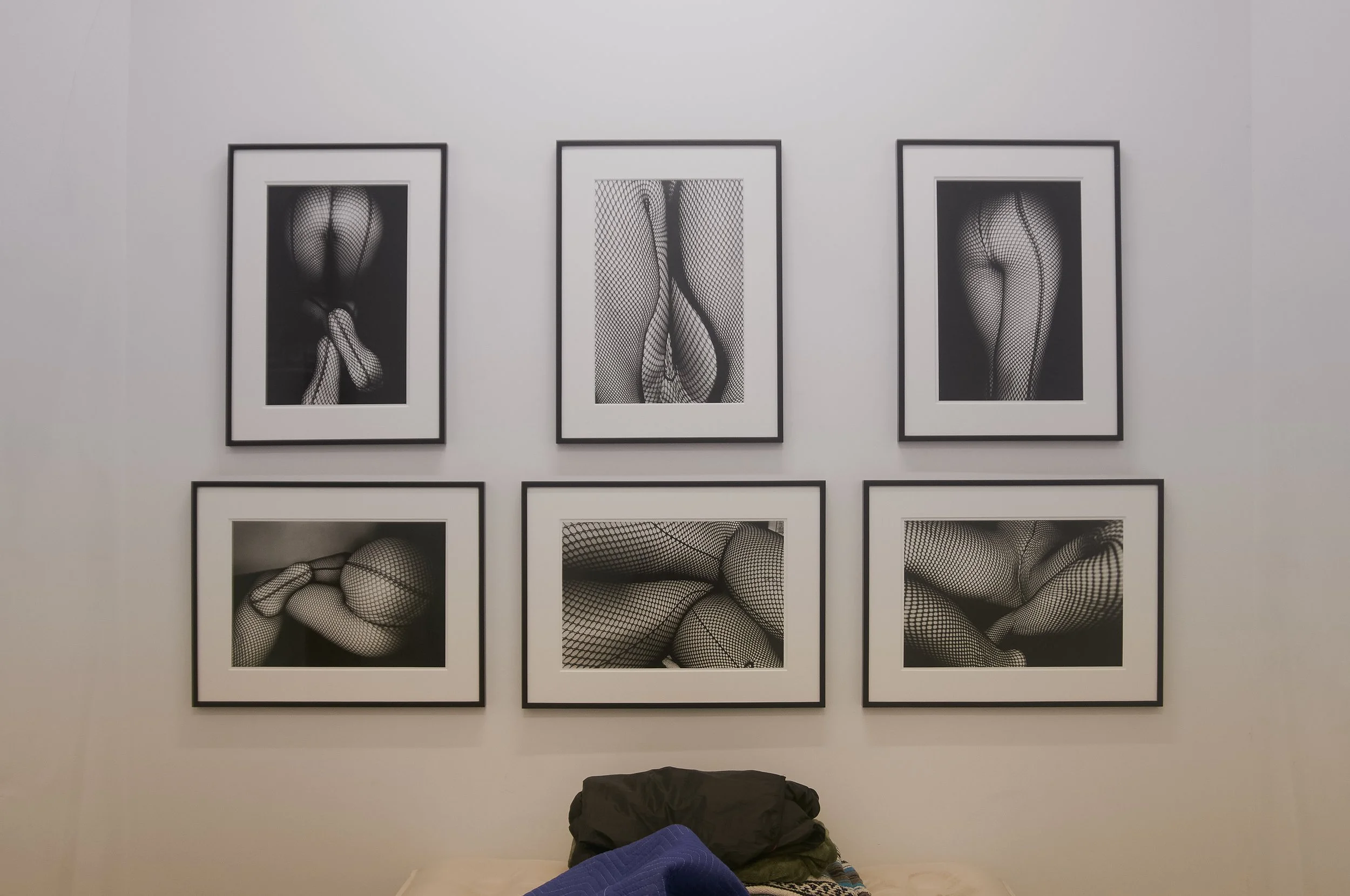
Slow Grief I: Foundations
Guy Rusha
Curated by The Pioneers, October 11 2025 - February 11, 2026

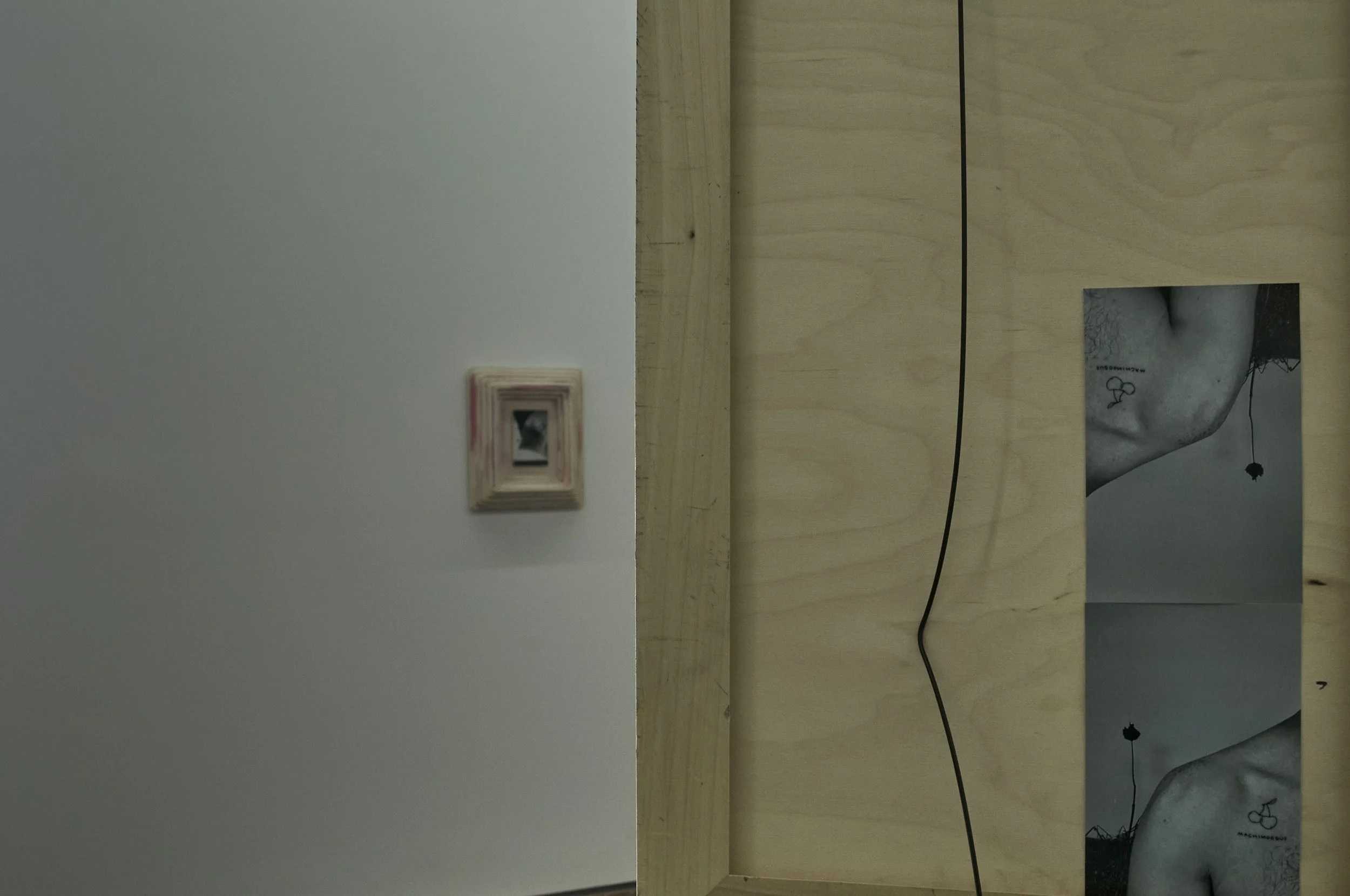
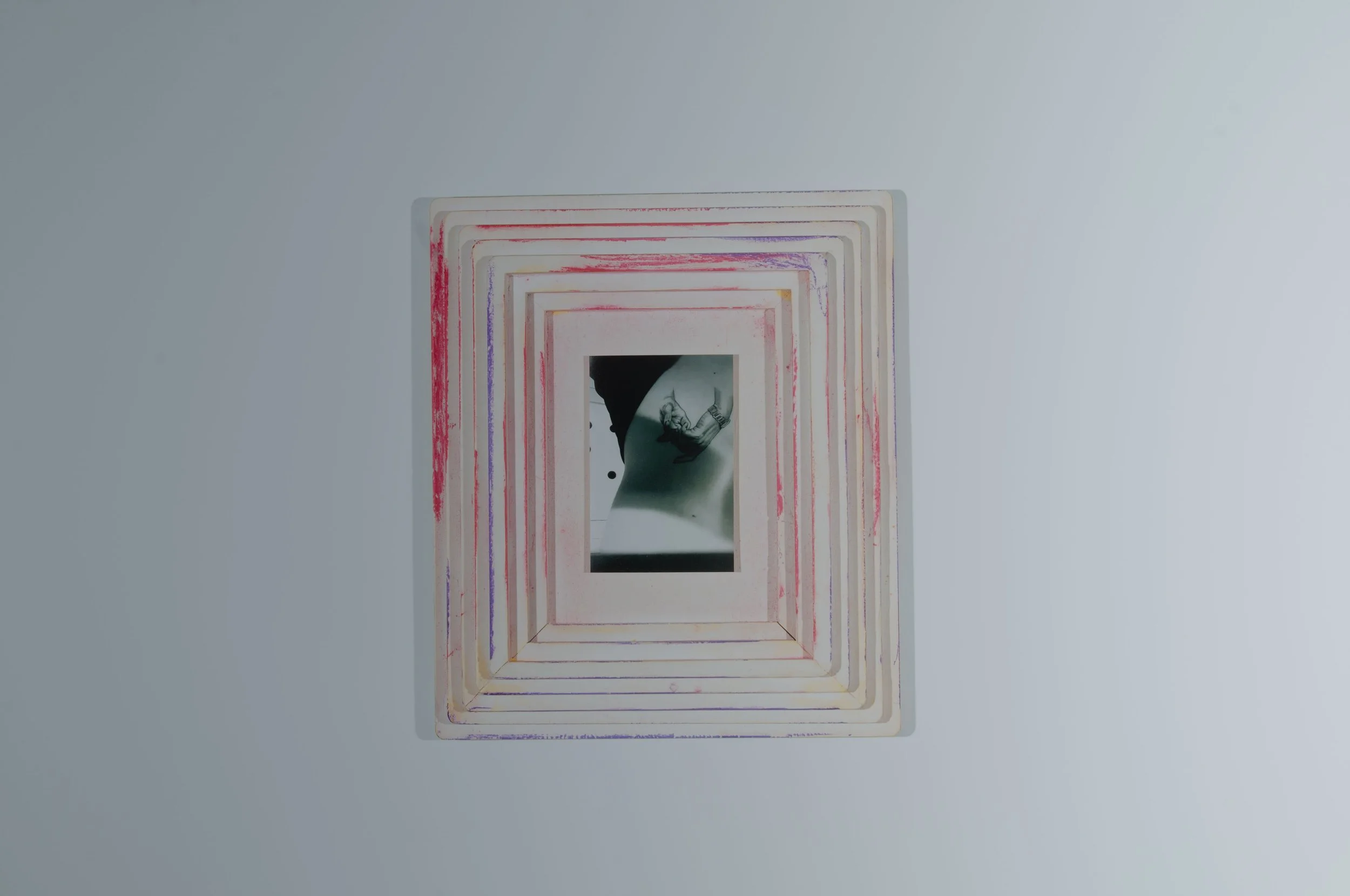
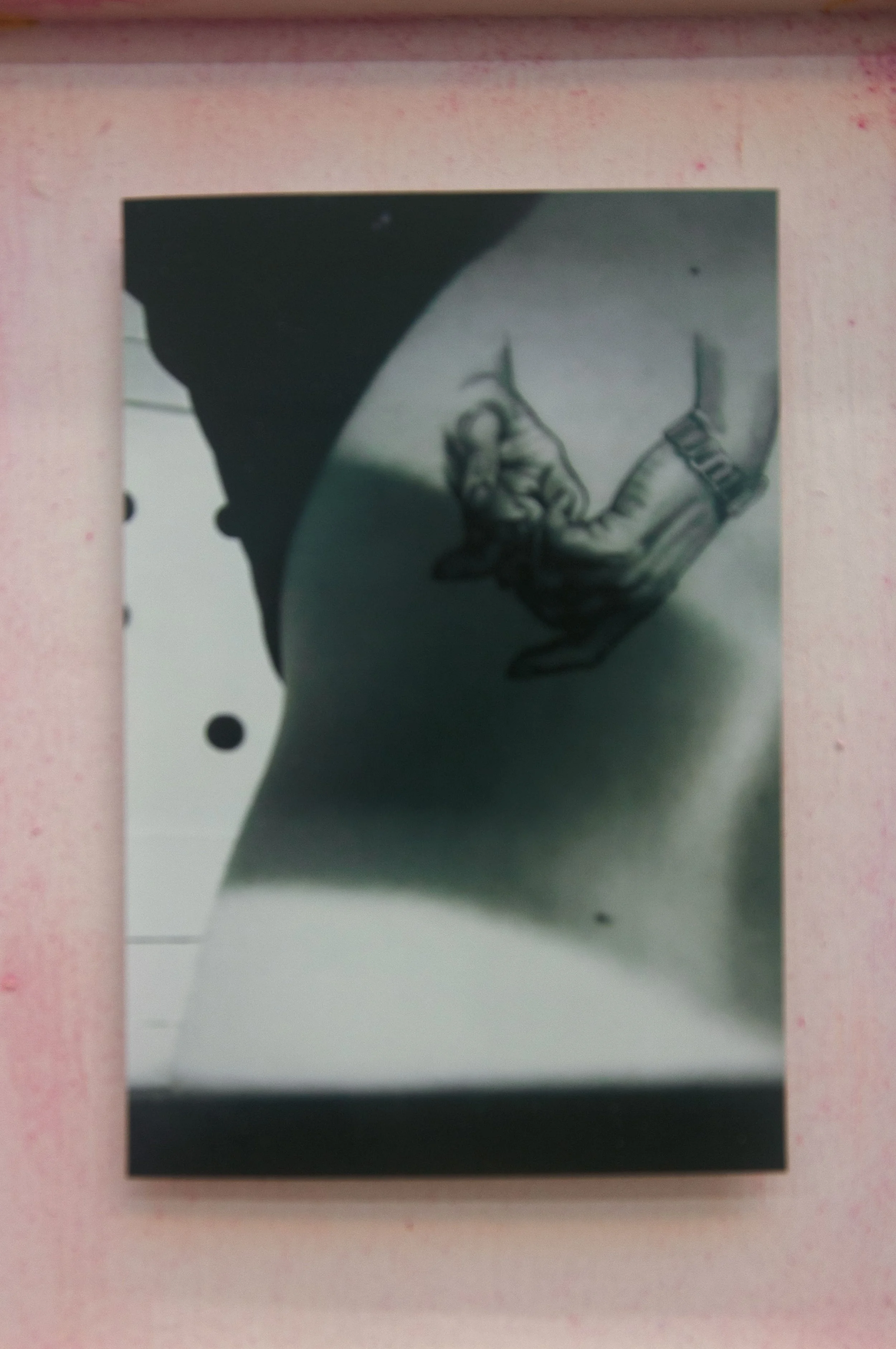
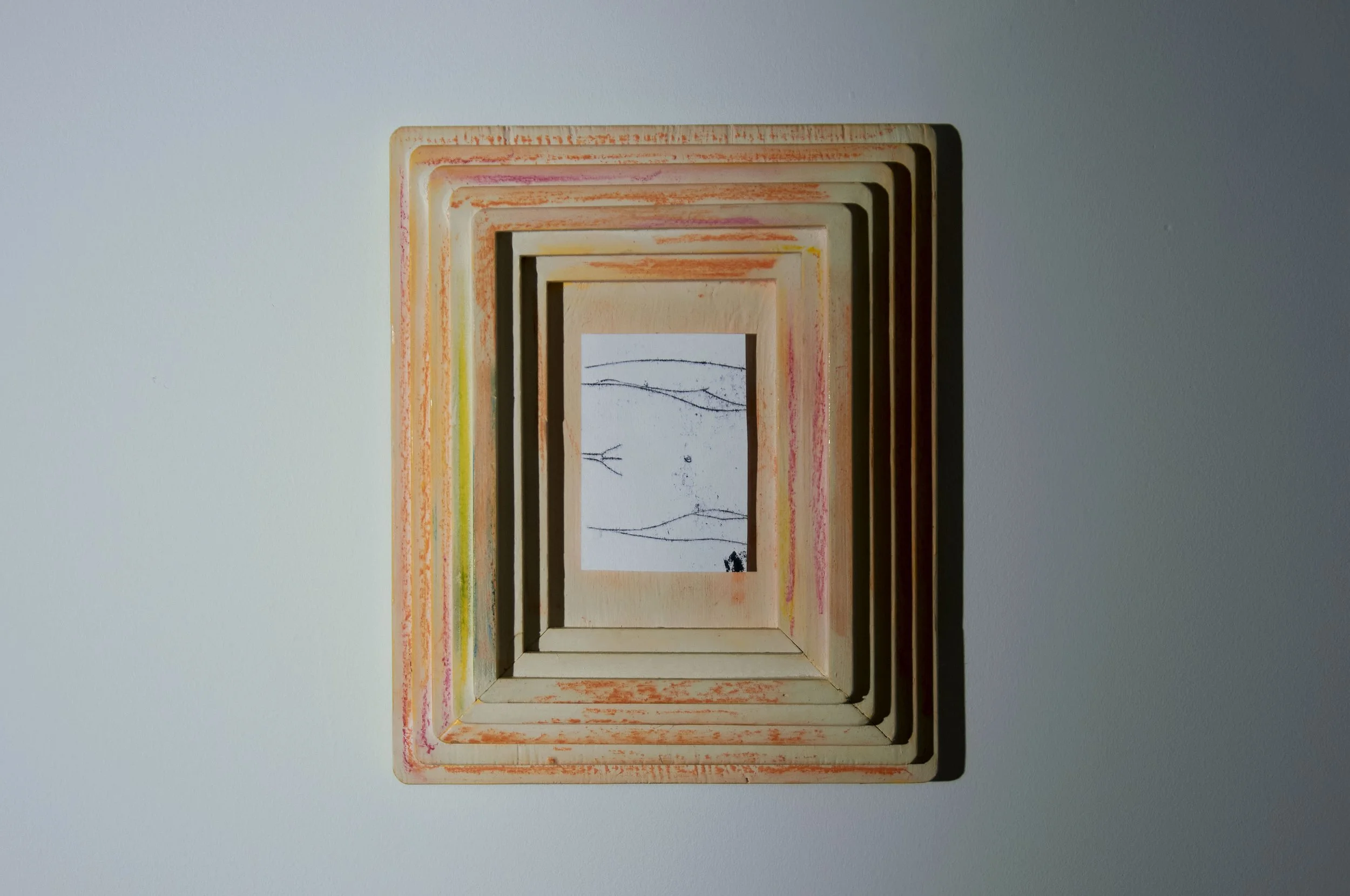
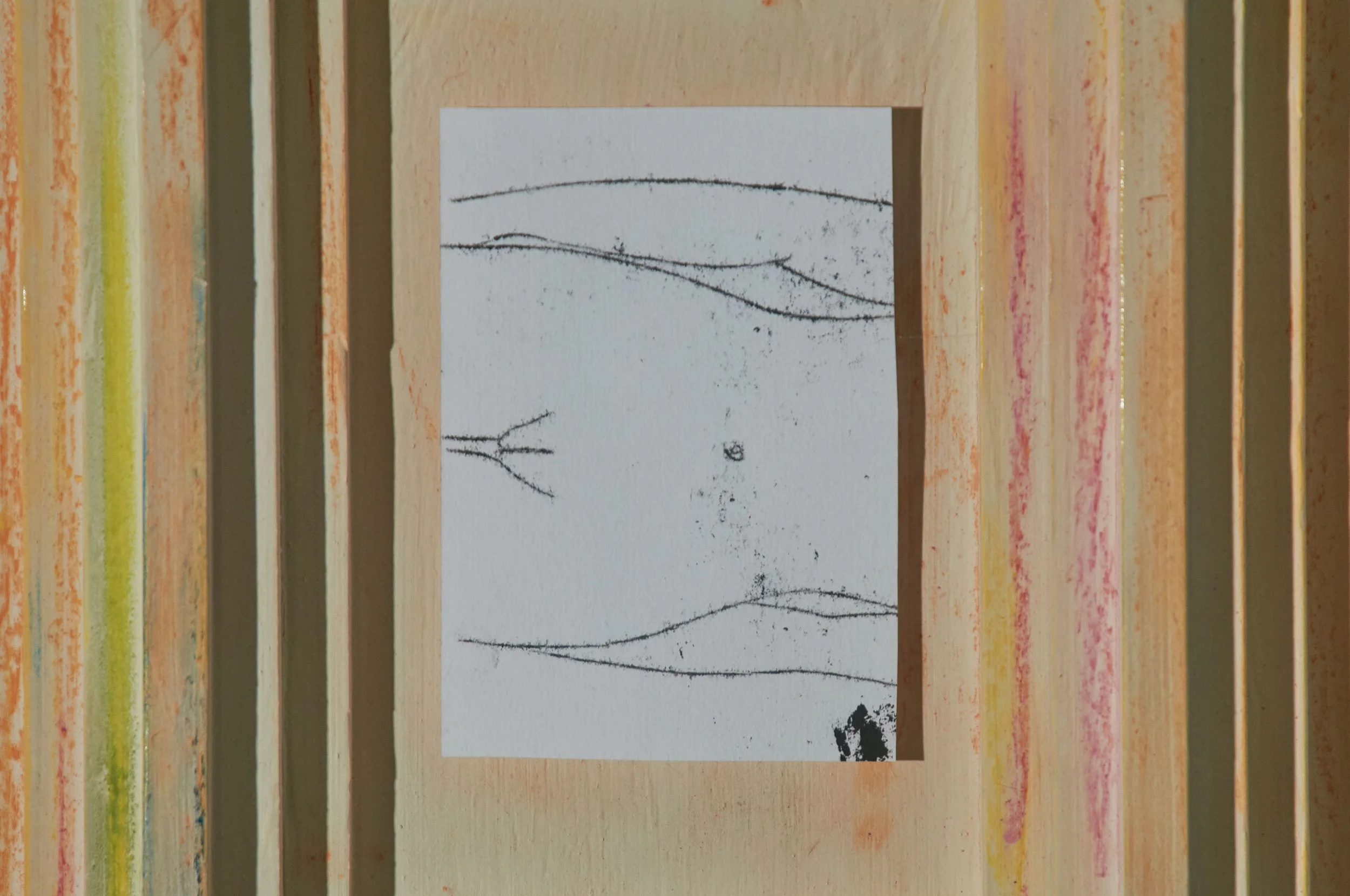
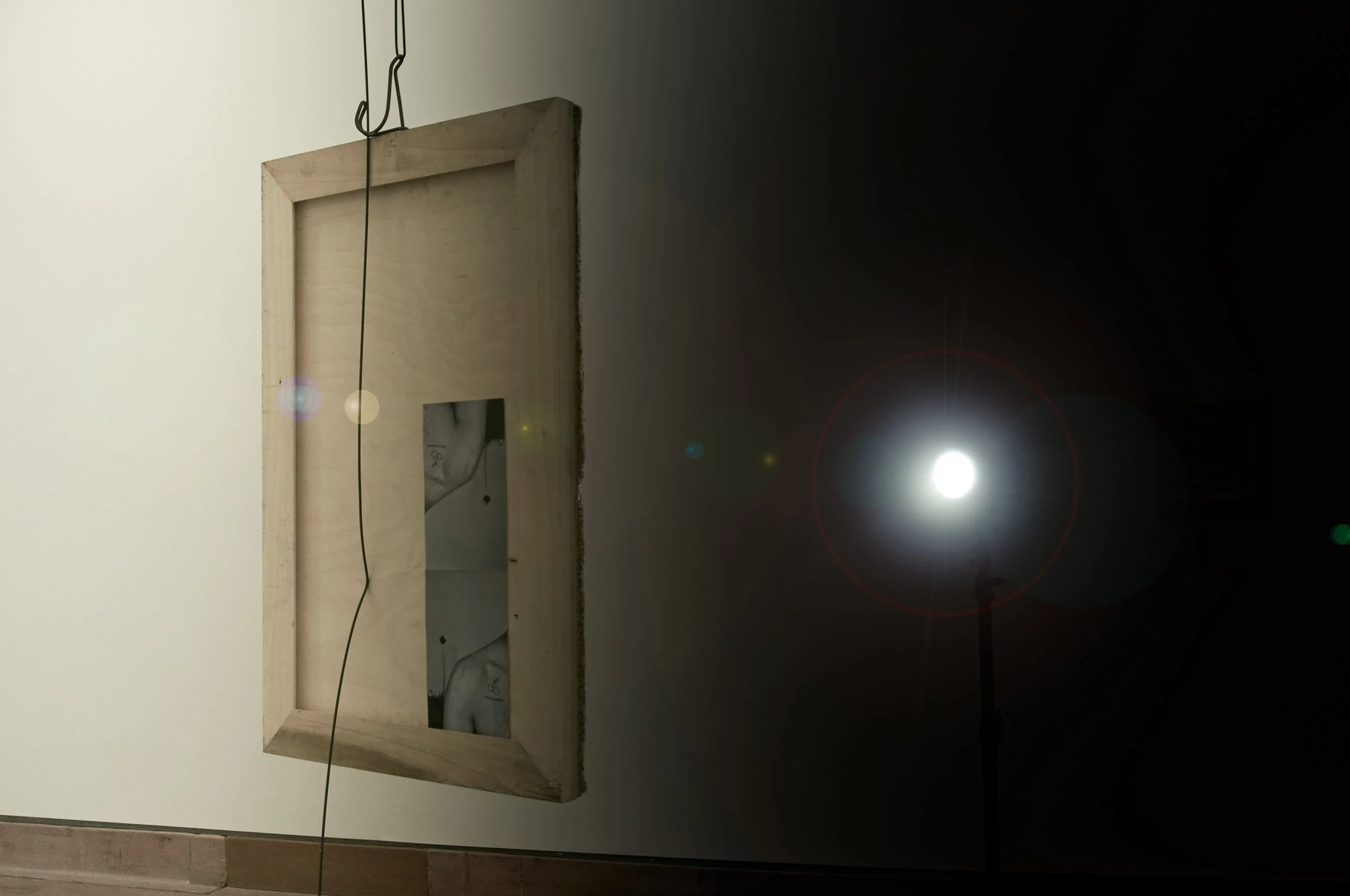
Machimoodus, tattoo by by @clementineeyes, 2025
I’m more alive steeping in some form of grief or some form of intense experience. Grief is the motivator. Grief is the awareness of the self, and within that infrastructure of pain, you can manufacture a new narrative."
– Jon Pylypchuk
1. The Risk of Perception
Is it a bad idea to show my own work at the gallery?
Only if you mistake authorship for authority. When the artist and the dealer collapse into the same person, the gesture becomes a strange meta-institutional rehearsal, a moment where power, vulnerability, and exposure sit in the same room. Framed differently, it becomes something else entirely: An exhibition of new work by Guy Rusha, curated by The Pioneers.
That small shift matters. It places the work inside the same framework you offer other artists rather than outside it. The show becomes a test of the system rather than an exception to it, an inquiry into the conditions of display itself.
2. The Integrity of Intent
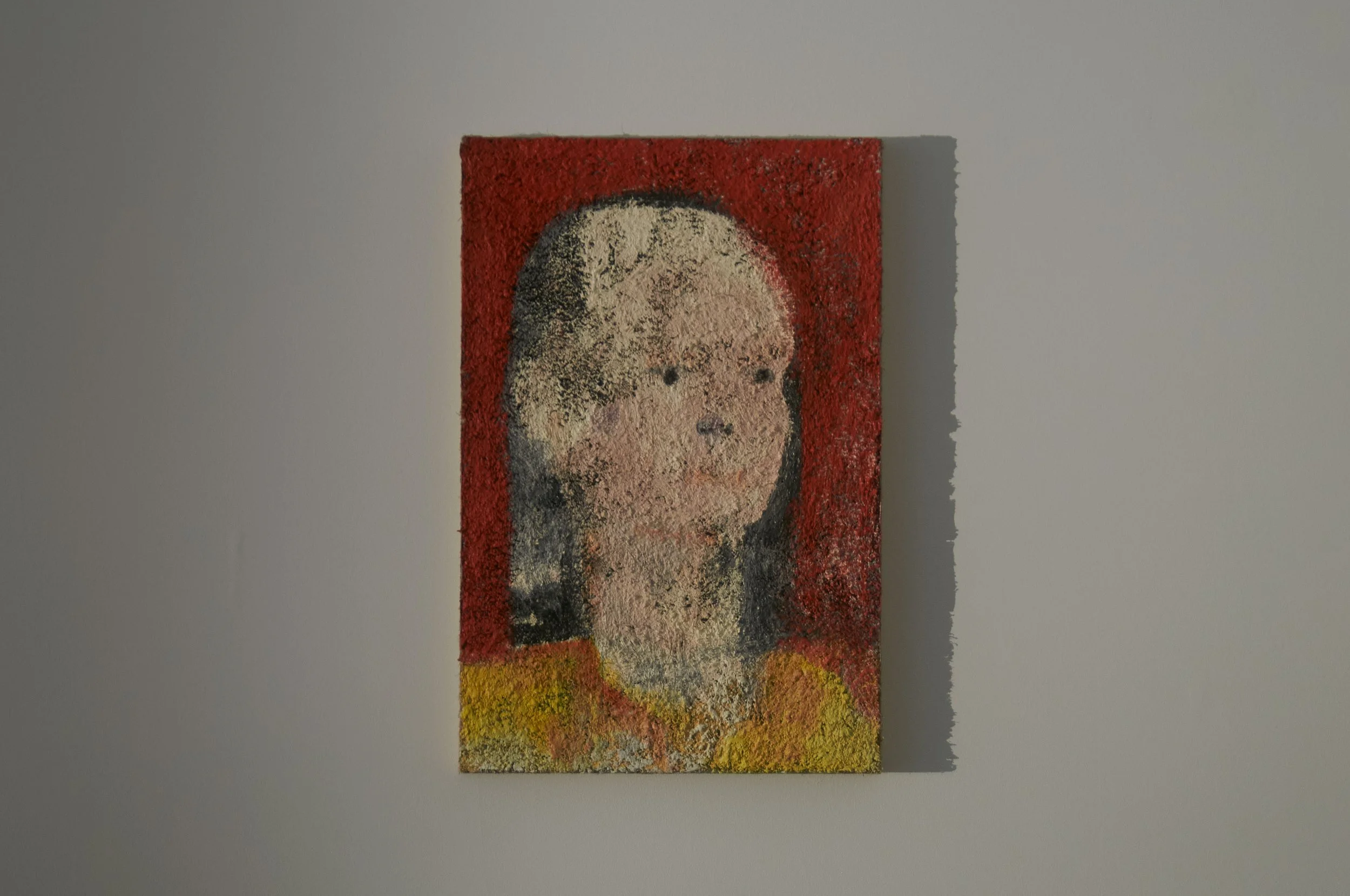
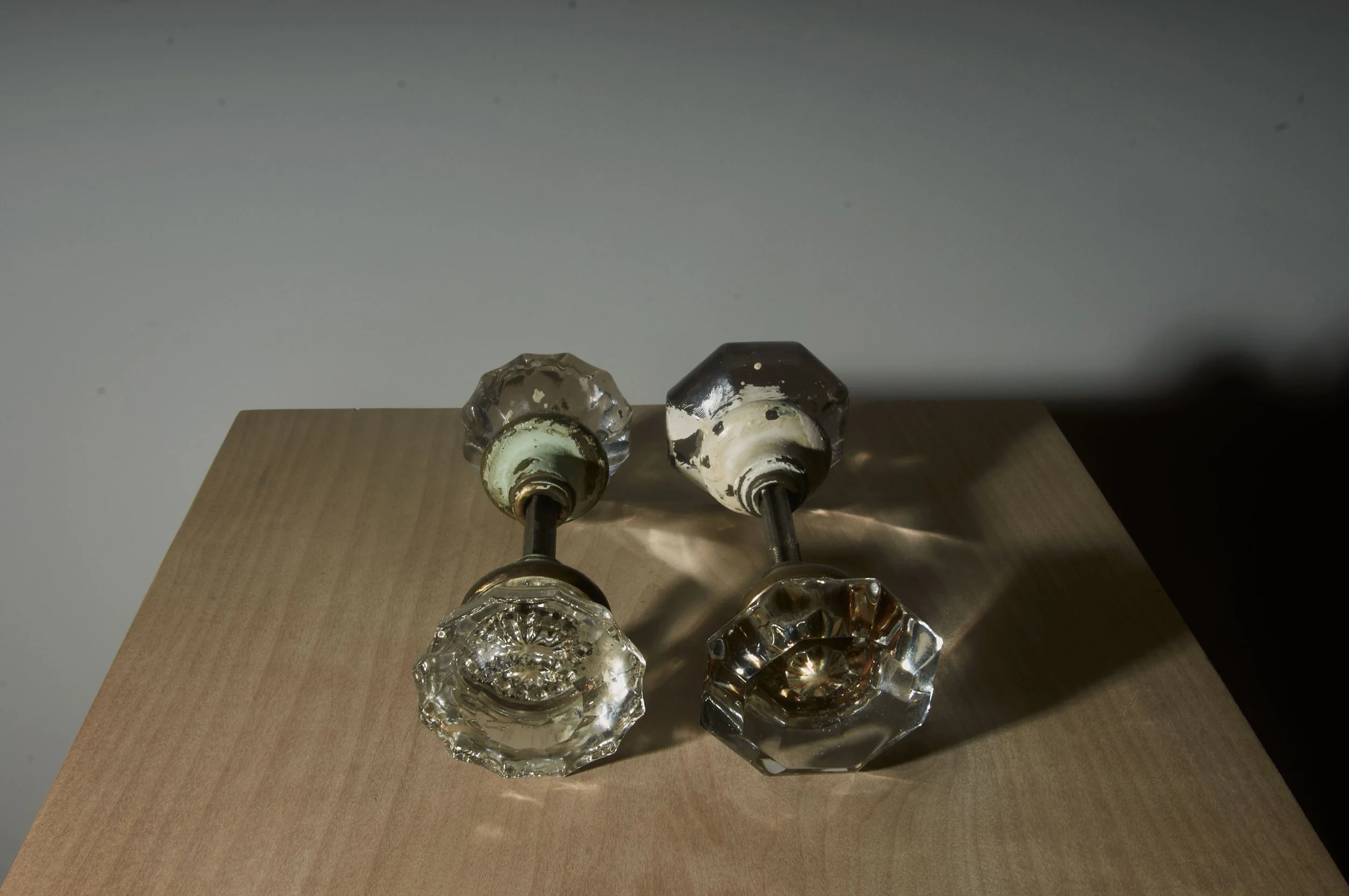
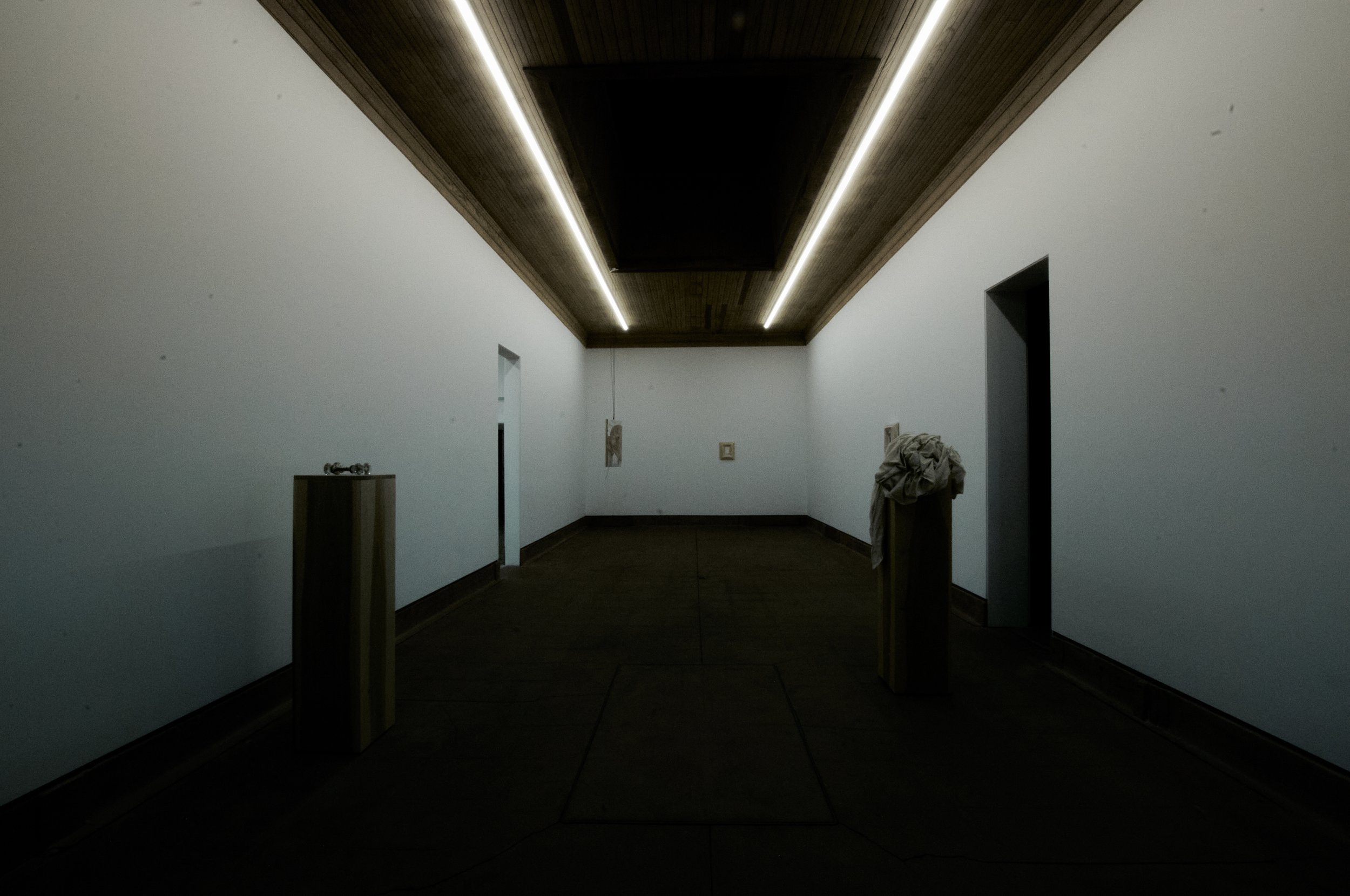
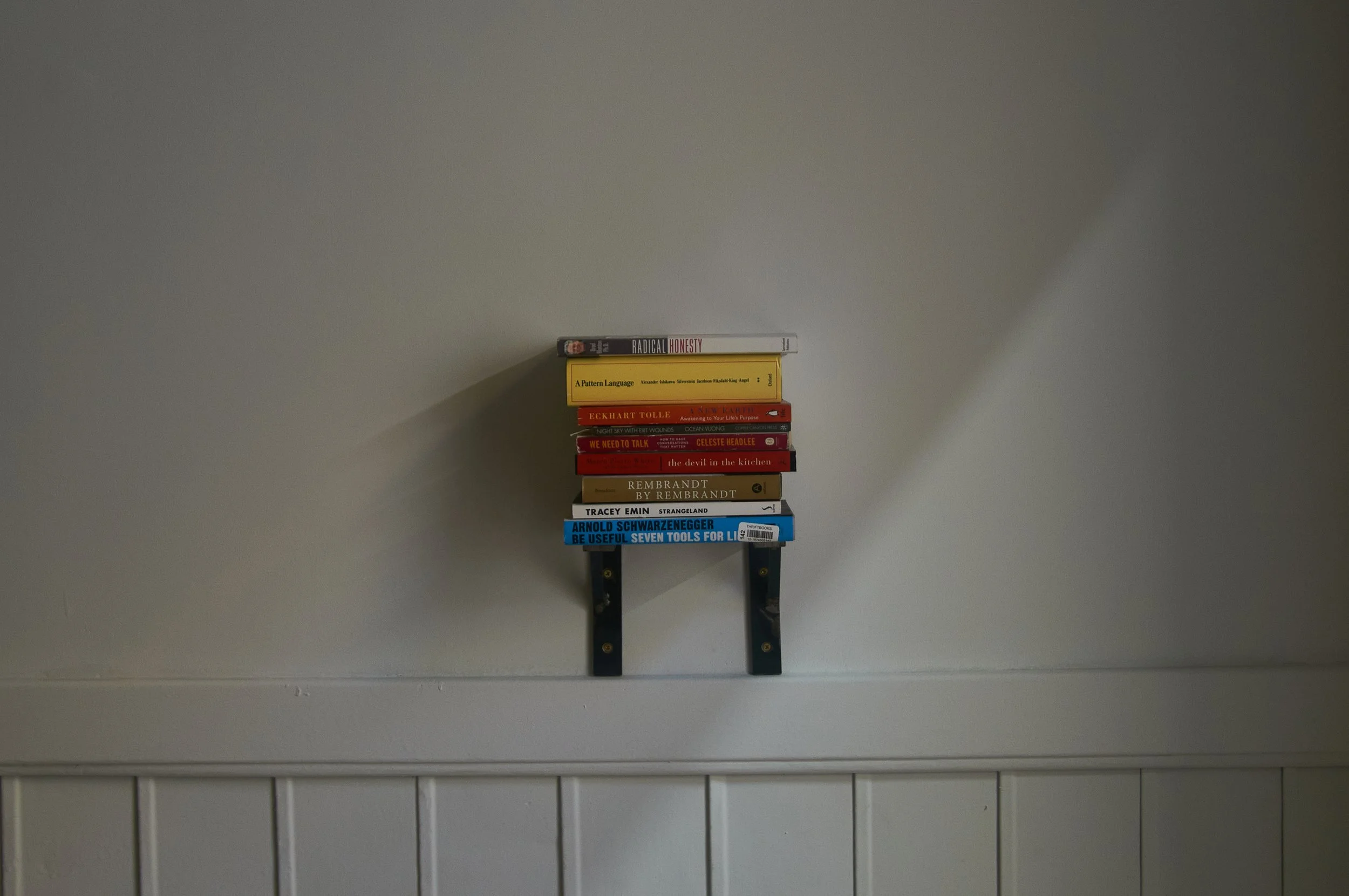
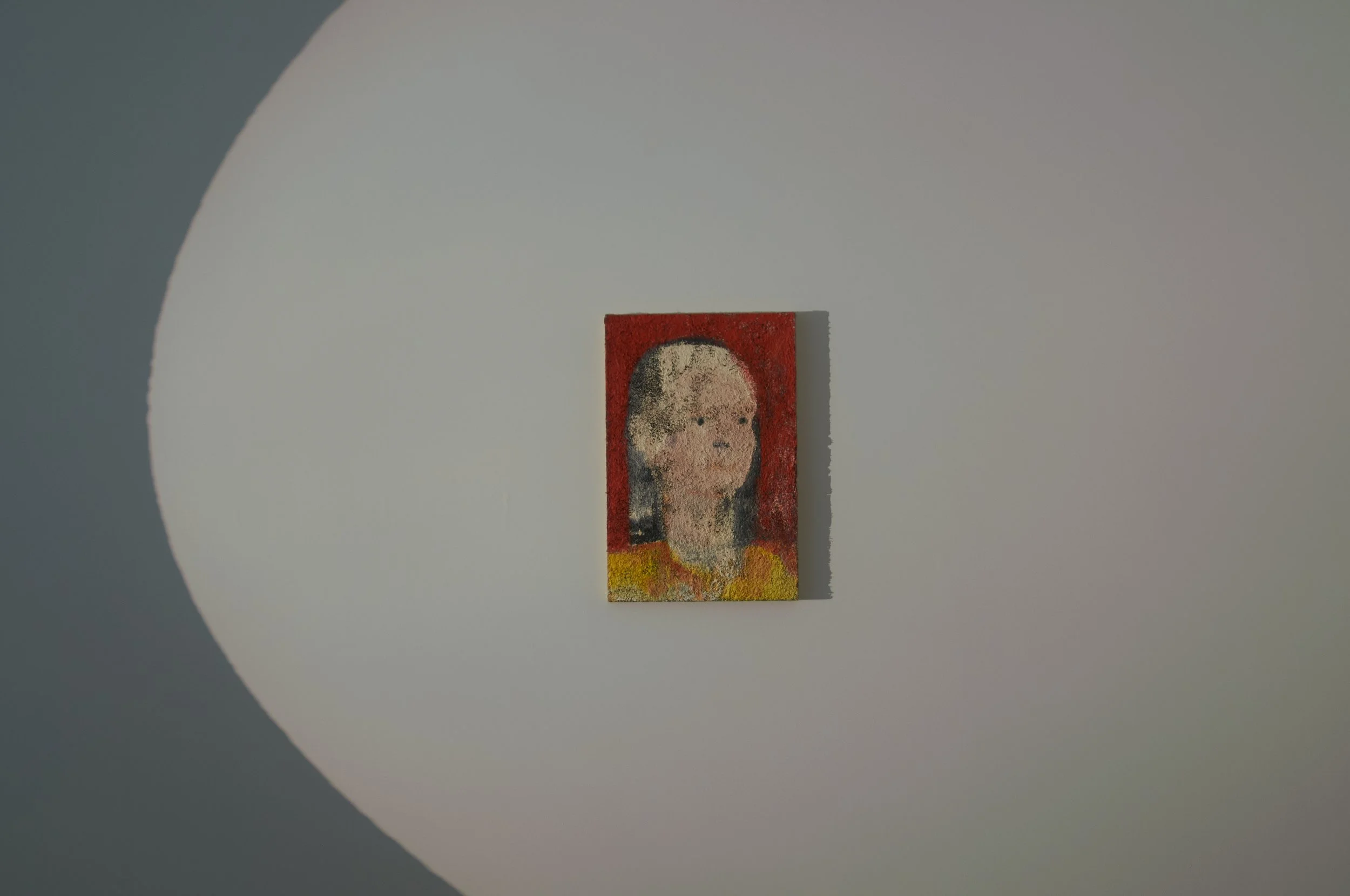
The work in Slow Grief I is personal and conceptual at the same time. It deals with grief, intimacy, gesture, humor, and the slow emotional residue that artists often carry through their work. Rusha & Co.’s building, a renovated firehouse, has always been part of your creative vocabulary. In that sense, showing work here isn’t indulgent; it’s site-responsive.
The gallery is both stage and subject. Hosting your own work becomes a way of asking what it means for an artist to operate inside the institution they are helping to build. The roles blur. Artist, organizer, host, and subject briefly occupy the same space.
3. The Audience & Timing
The gallery itself has been shifting recently, restructuring, repositioning, experimenting with new forms of programming. Showing your own work right now helps ground that transition.
It signals that this place isn’t just a gallery in the traditional sense. It’s a studio, a workshop, a social hub where artists, collaborators, and audiences intersect. It signals “the experiment continues, and I’m in it too.”
4. The Curatorial Frame
Having The Pioneers curate the exhibition is important for that reason. It introduces a degree of distance and peer oversight. The curatorial voice becomes part of the structure, reinforcing the sense that this show isn’t simply an artist presenting themselves but a conversation happening within a shared framework.
Authorship disperses slightly. Perspective widens.
5. Foundations
Taken together, these conditions form the conceptual ground of Slow Grief I as an exhibition series. It grows out of a moment where personal life, artistic production, and organizational structure overlap.
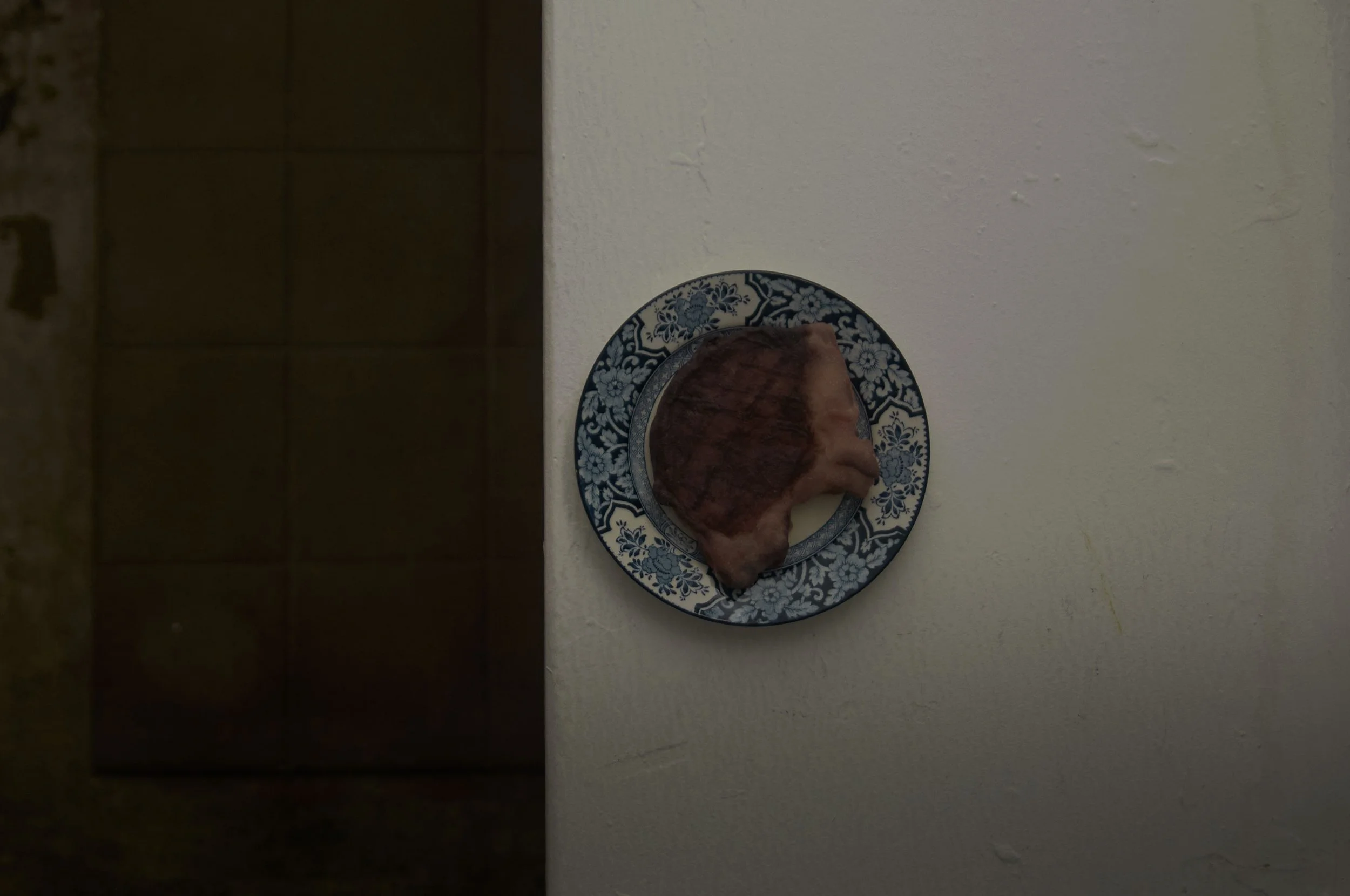
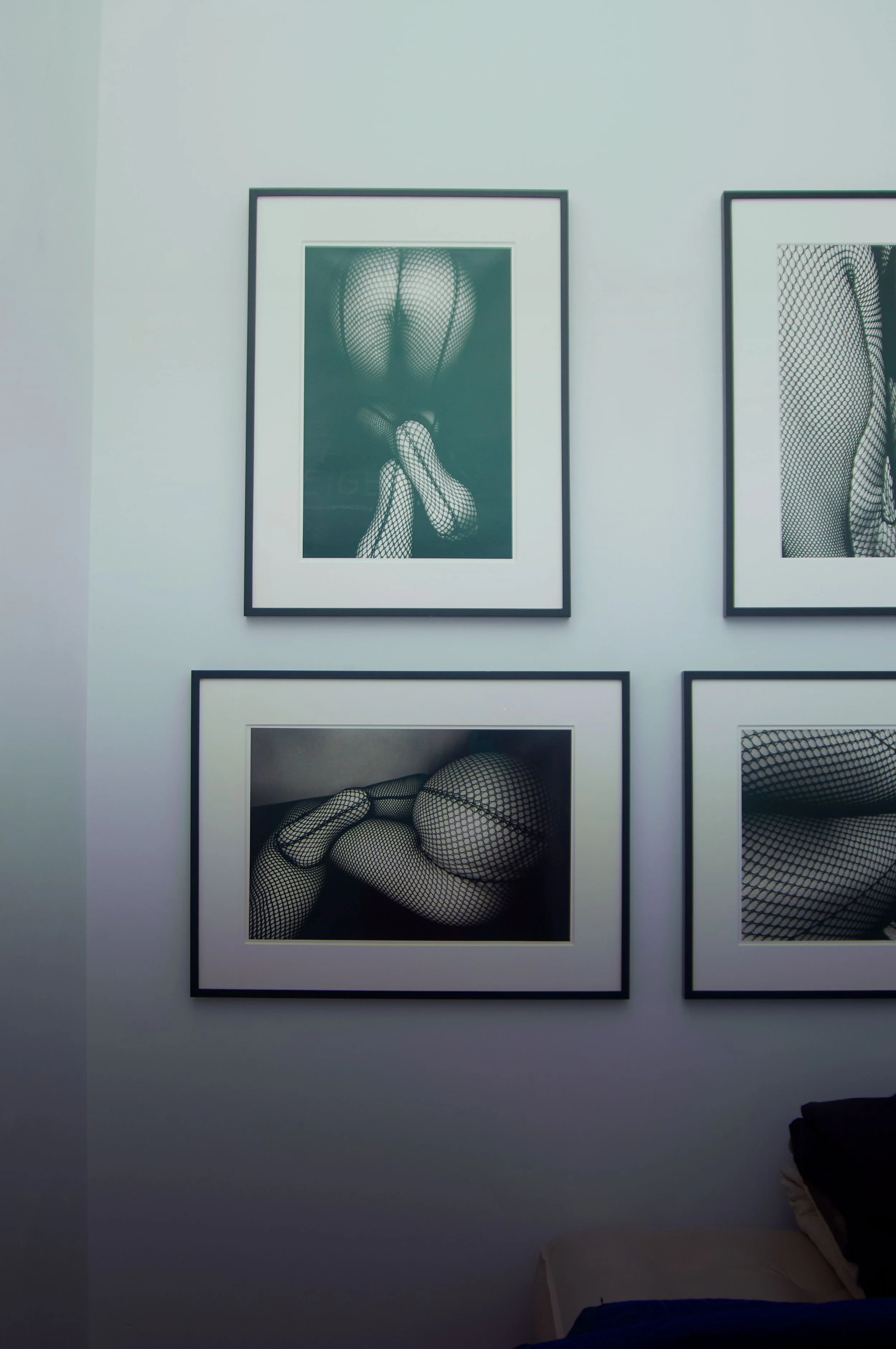
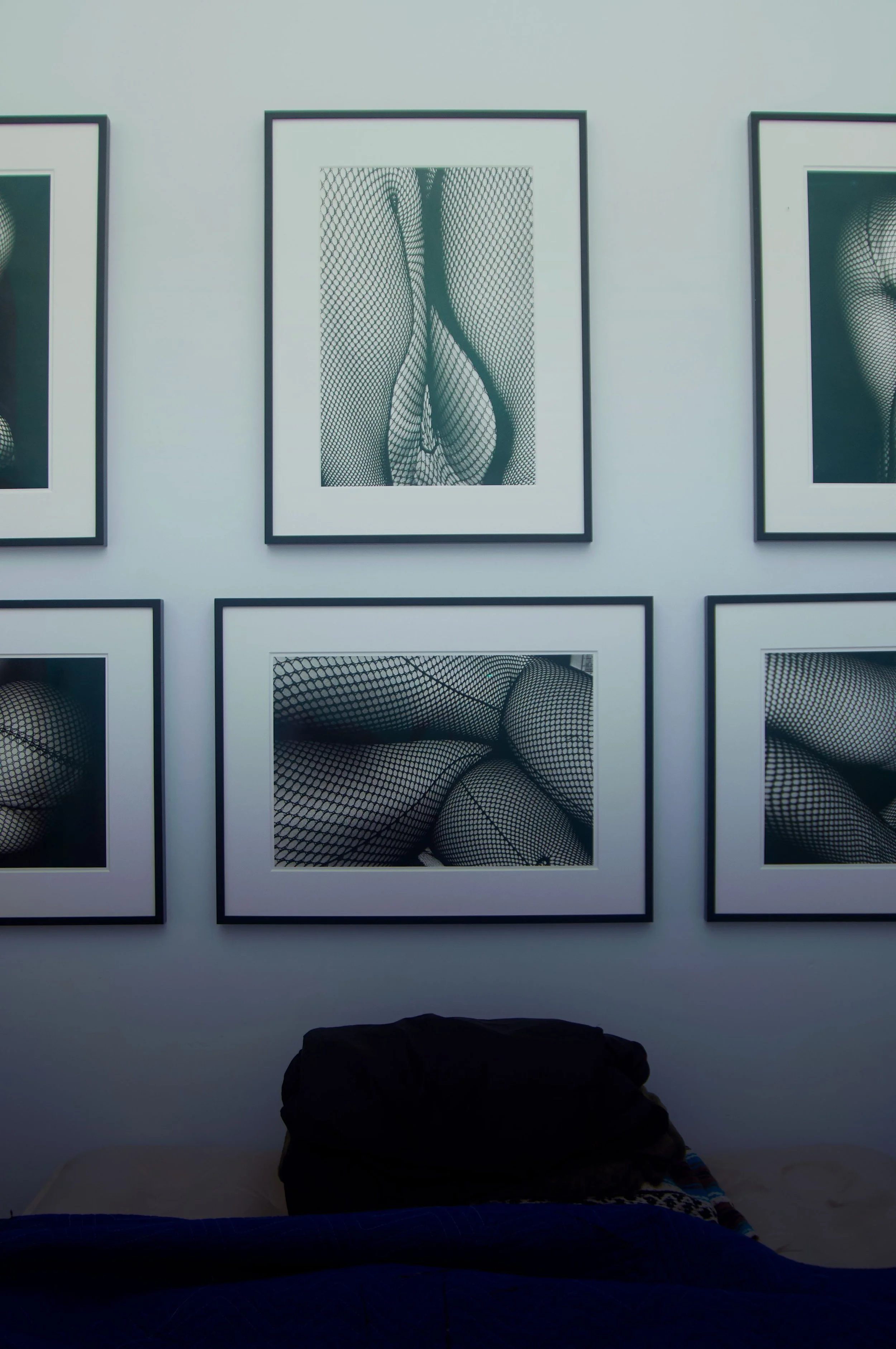
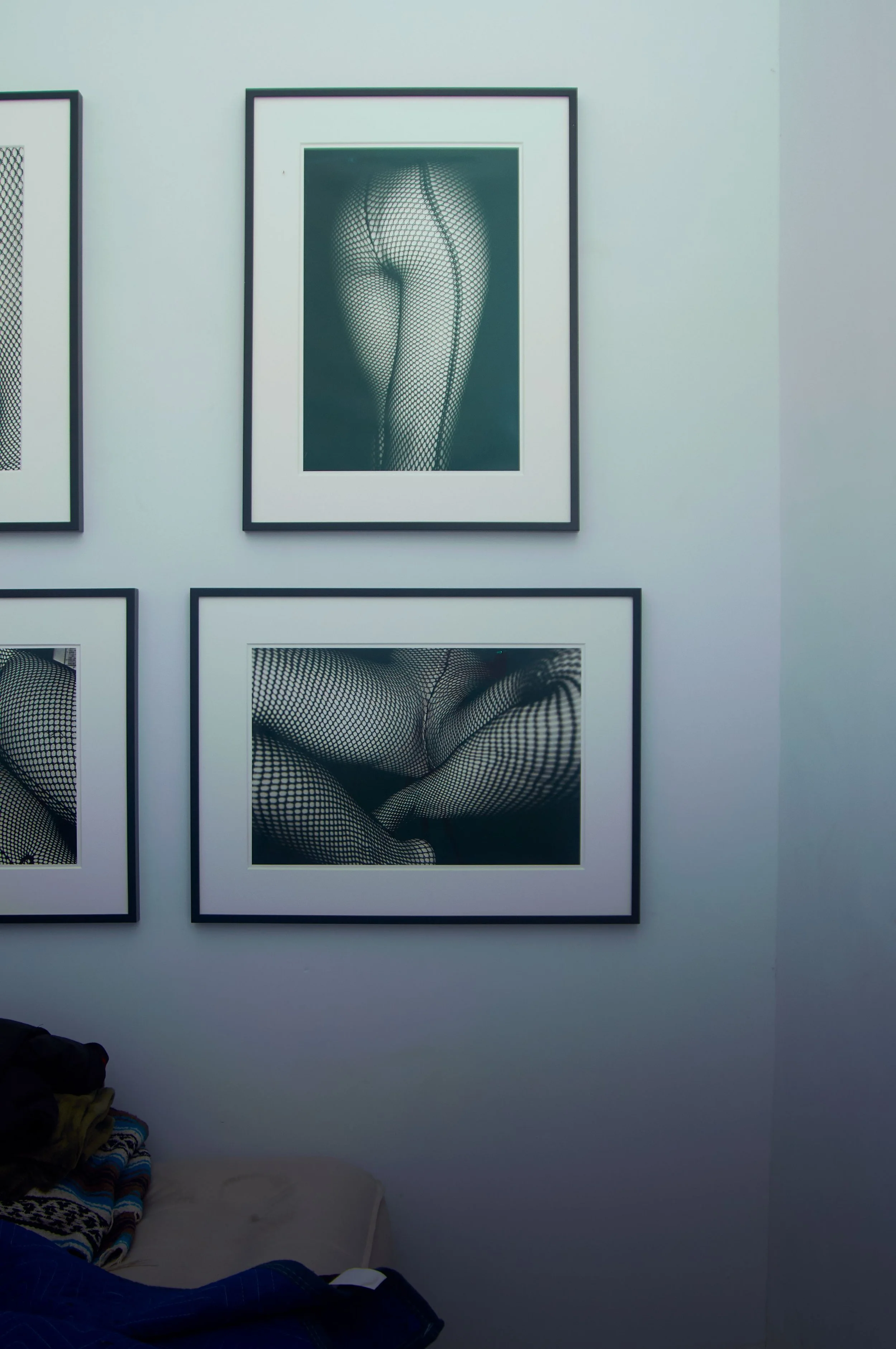
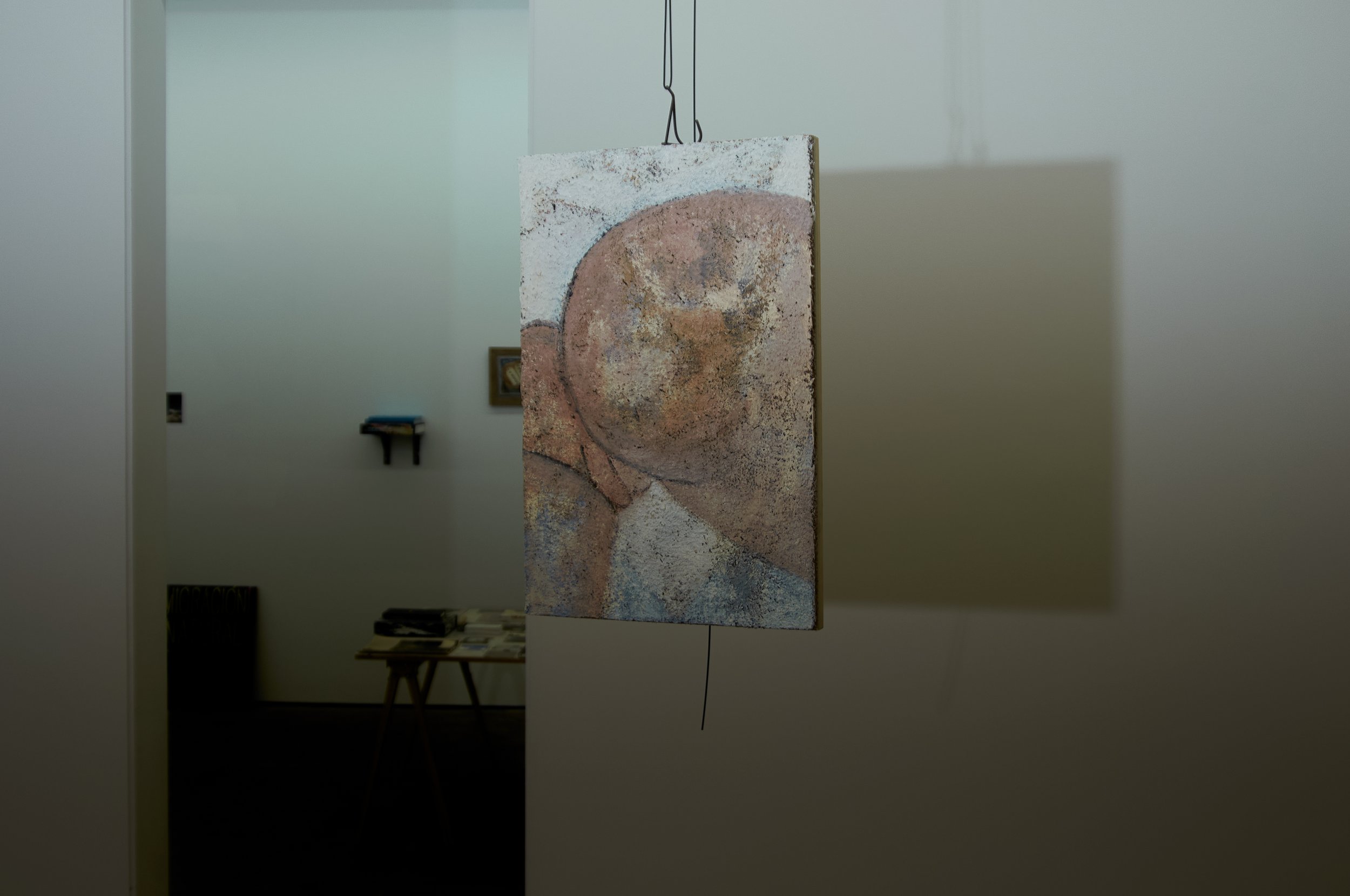
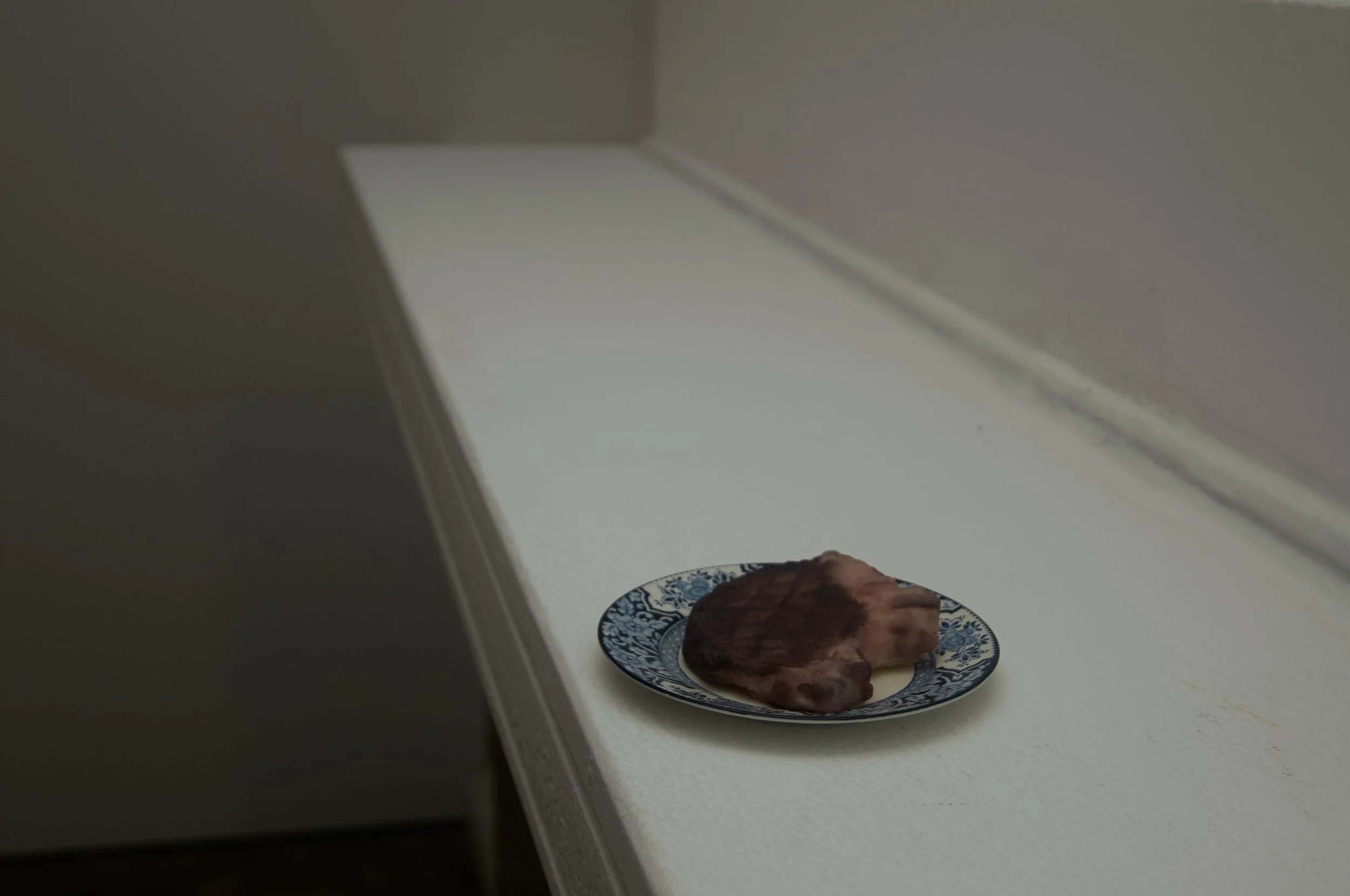
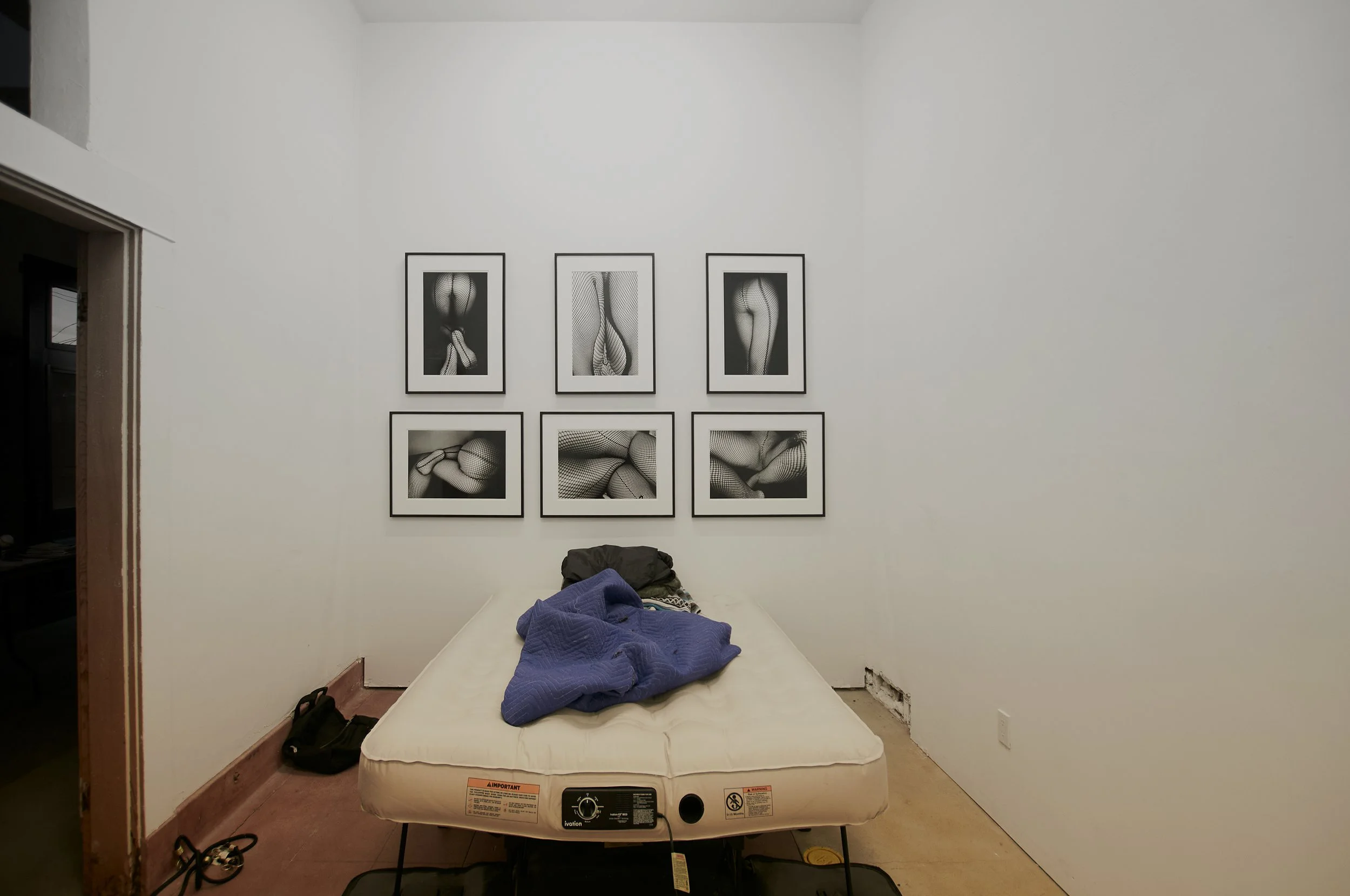
Within that overlap, grief begins to appear not as tragedy but as atmosphere, something slow and ambient. A medium rather than a problem. The works in the exhibition unfold within that atmosphere, moving through desire, humor, vulnerability, and the strange choreography of bodies and representation that artists negotiate.
A Note about Documentary Art
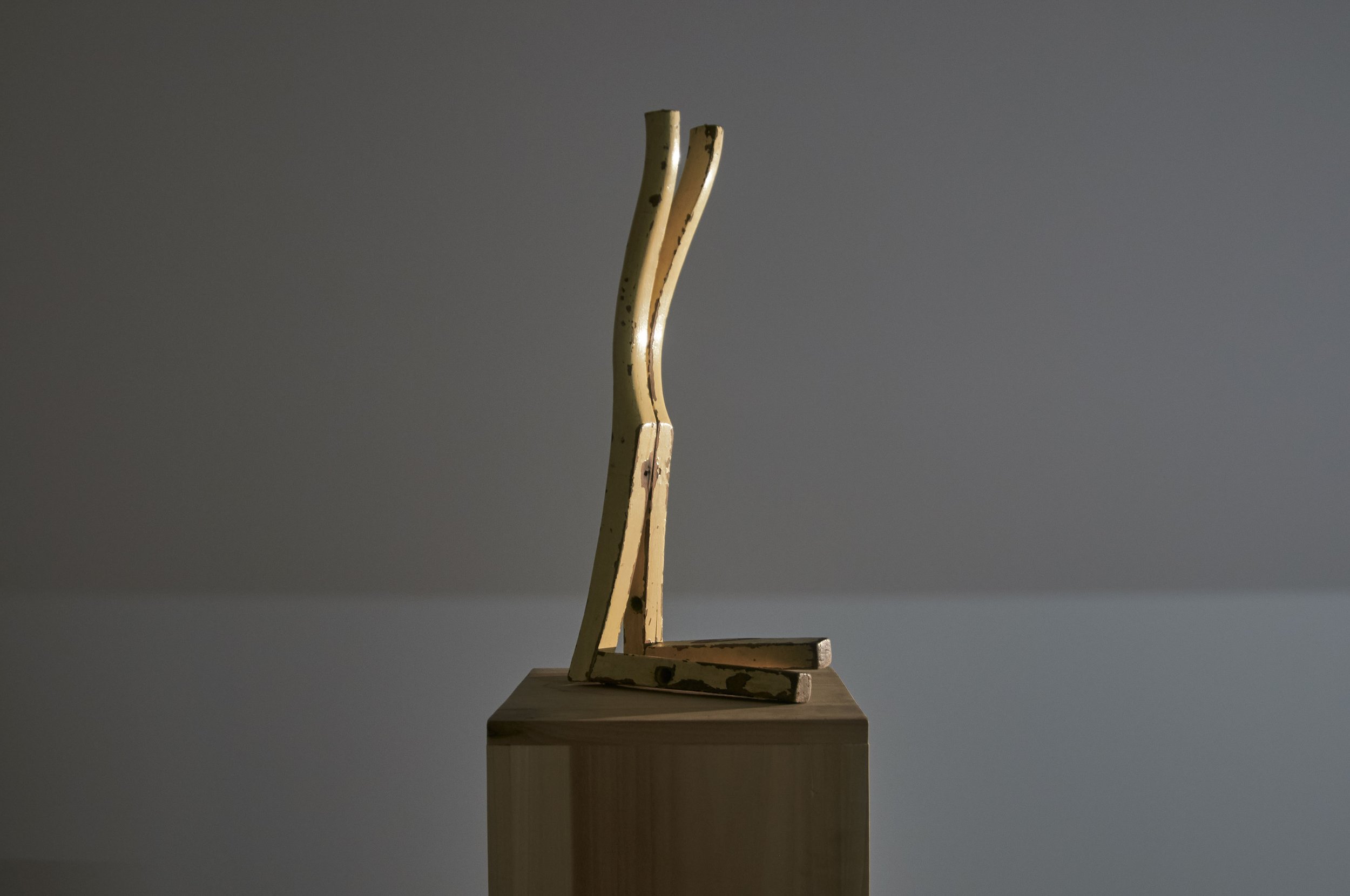
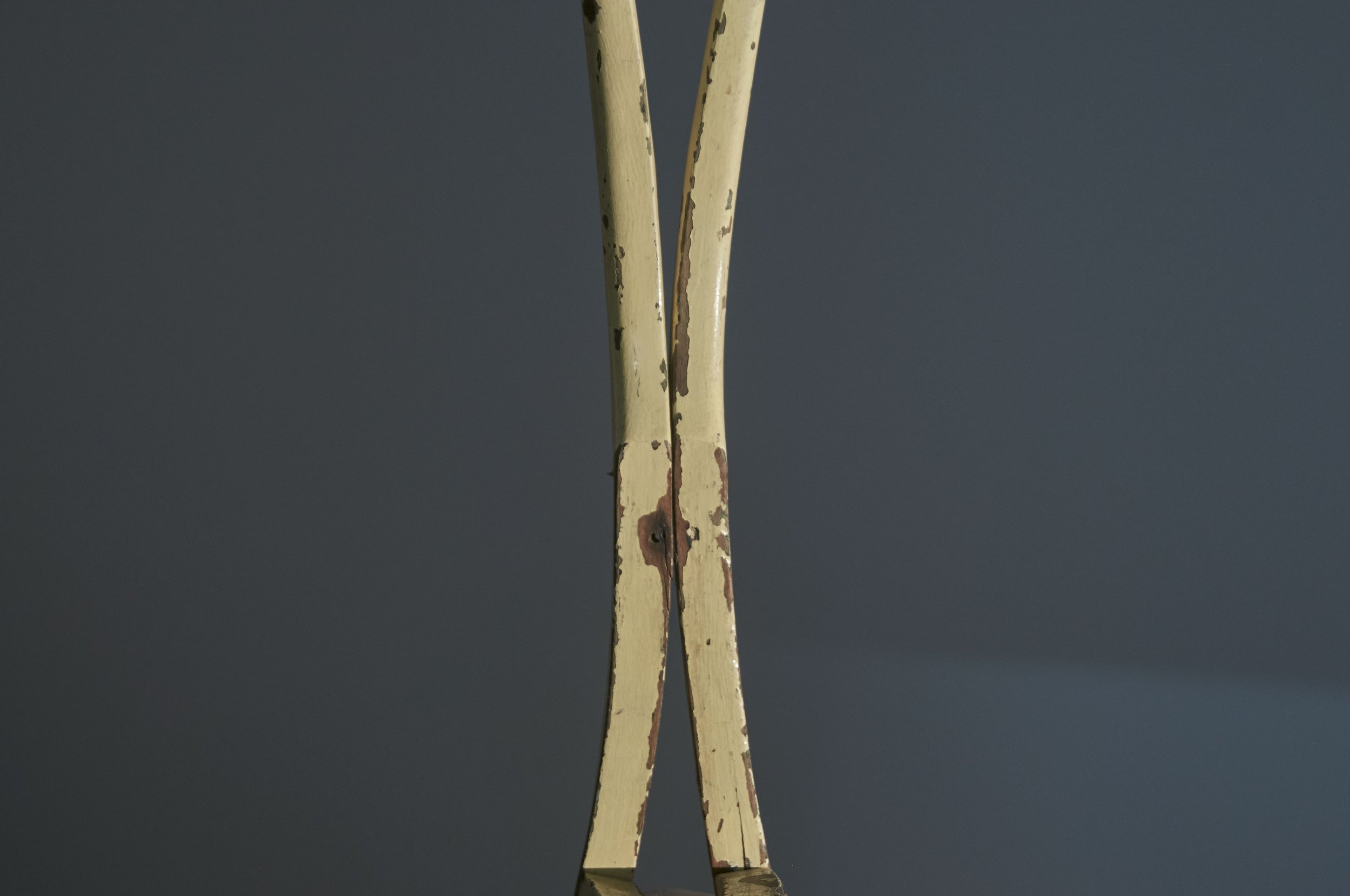
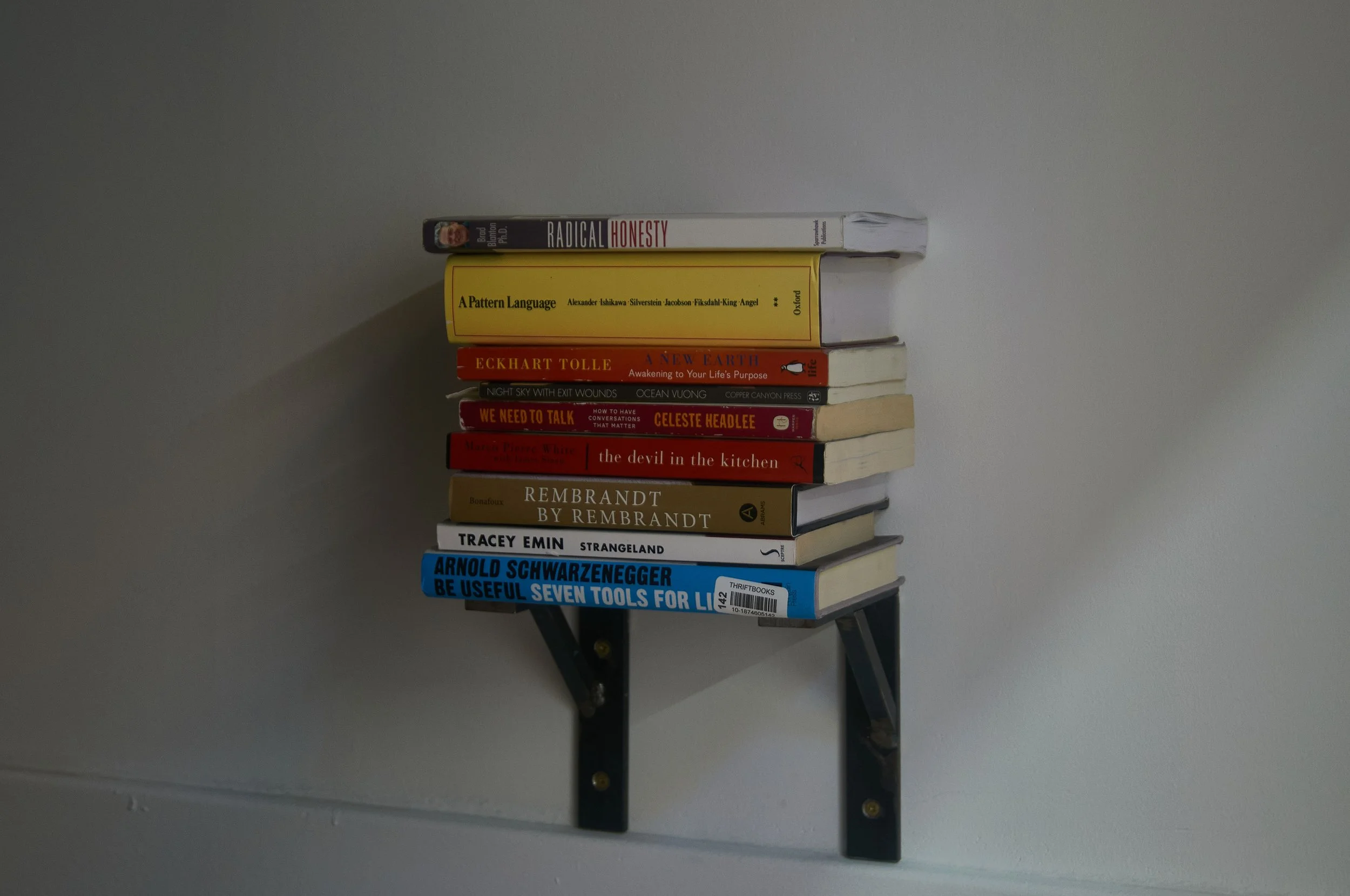
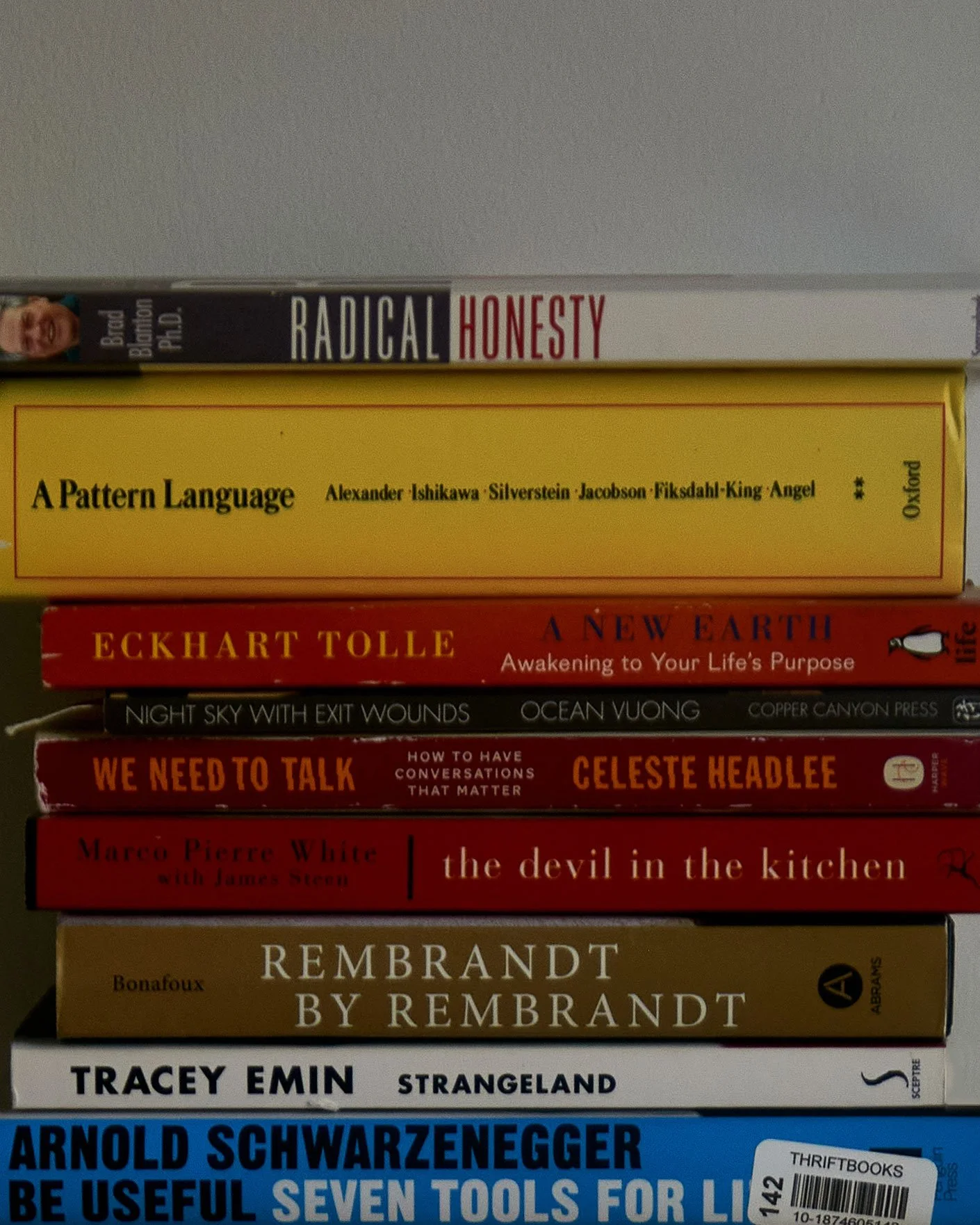
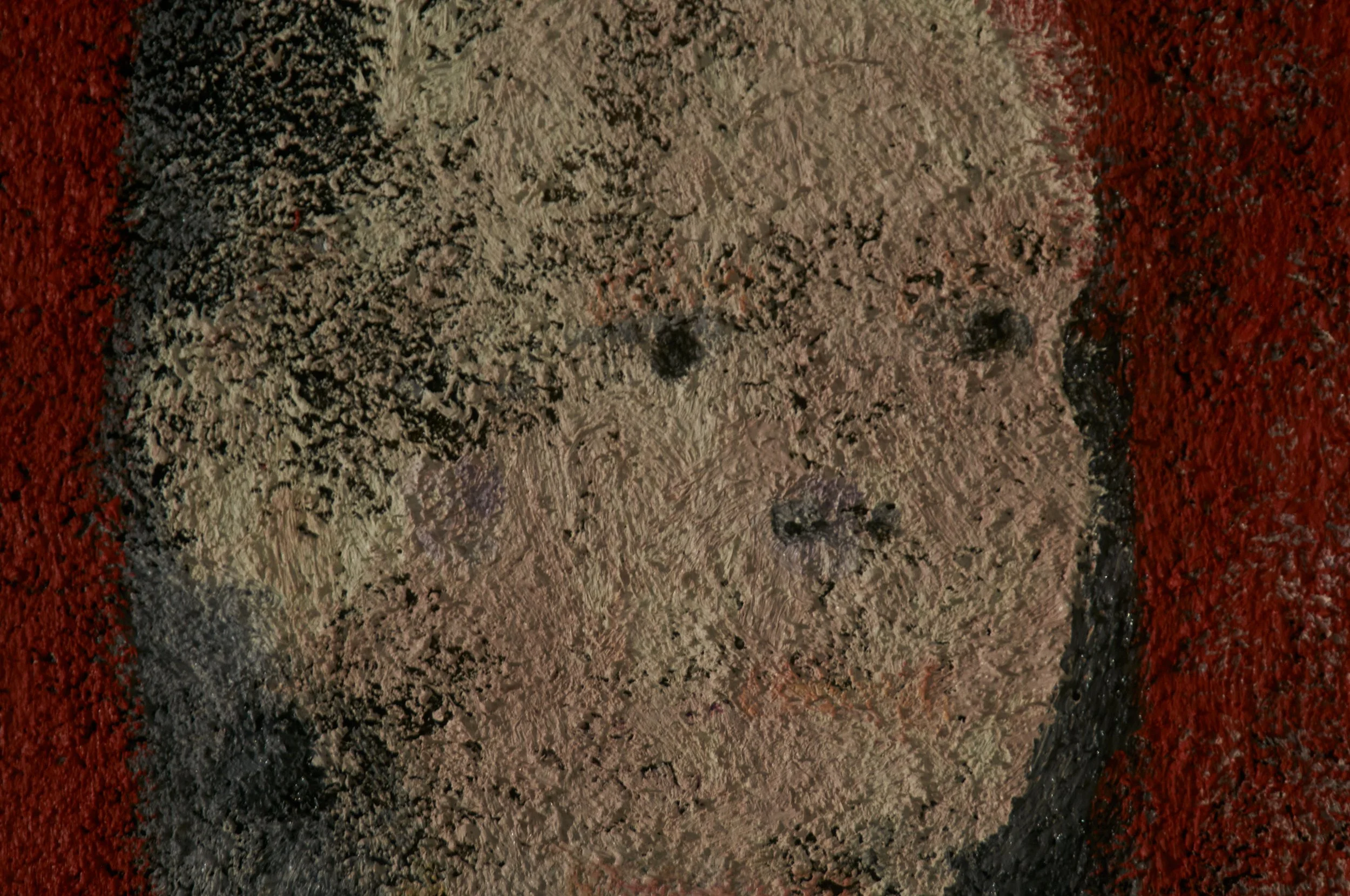
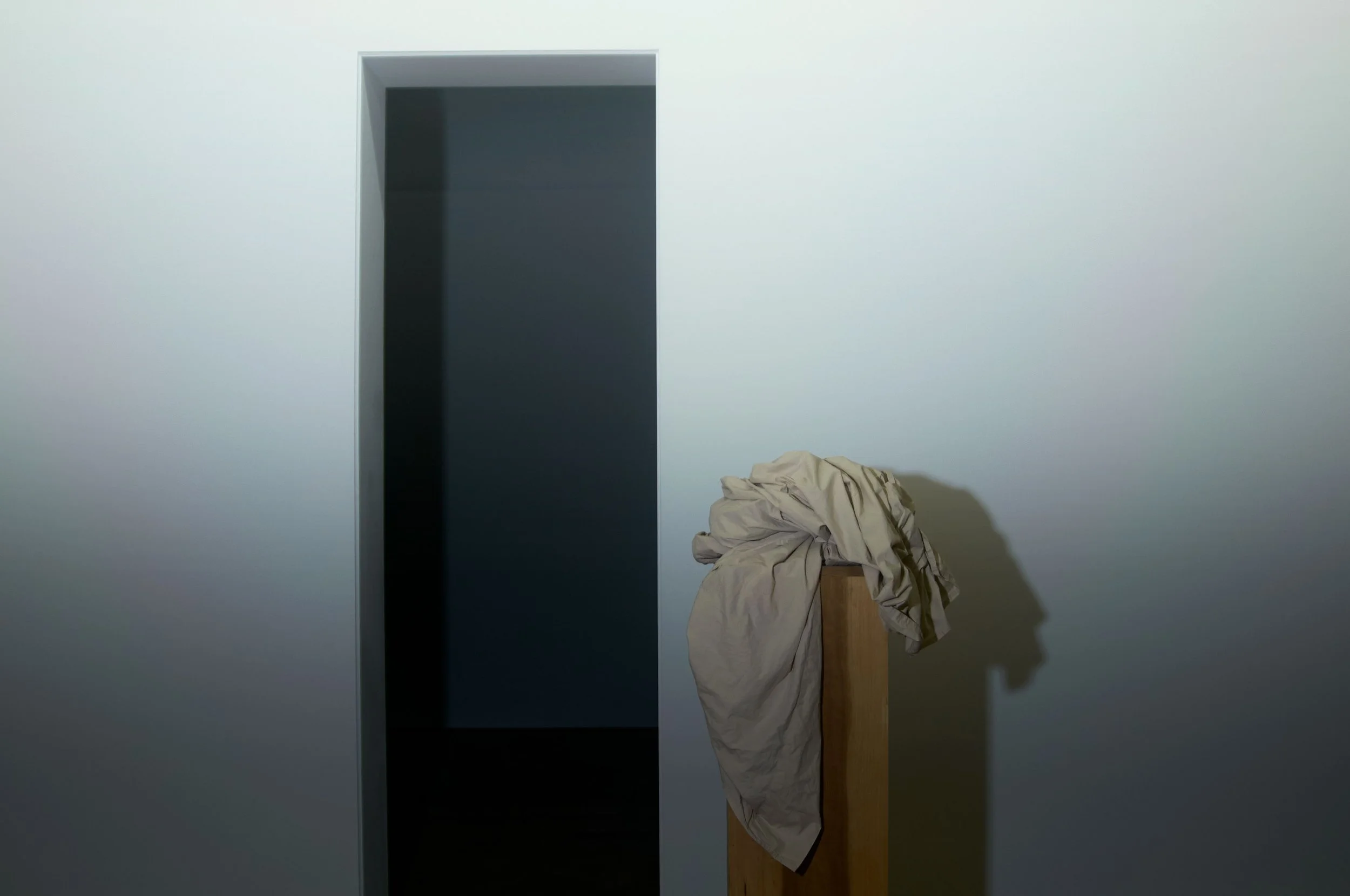
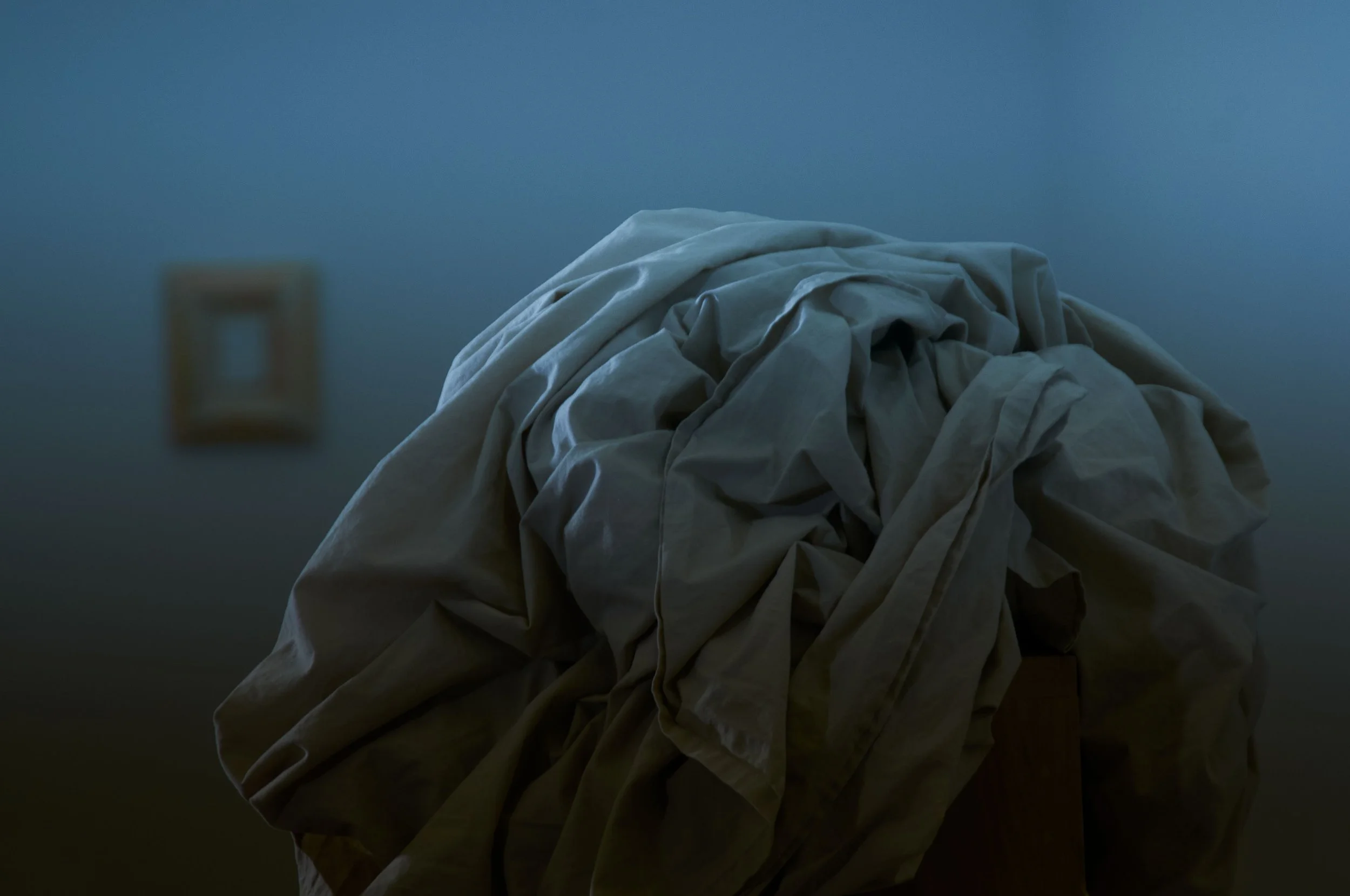
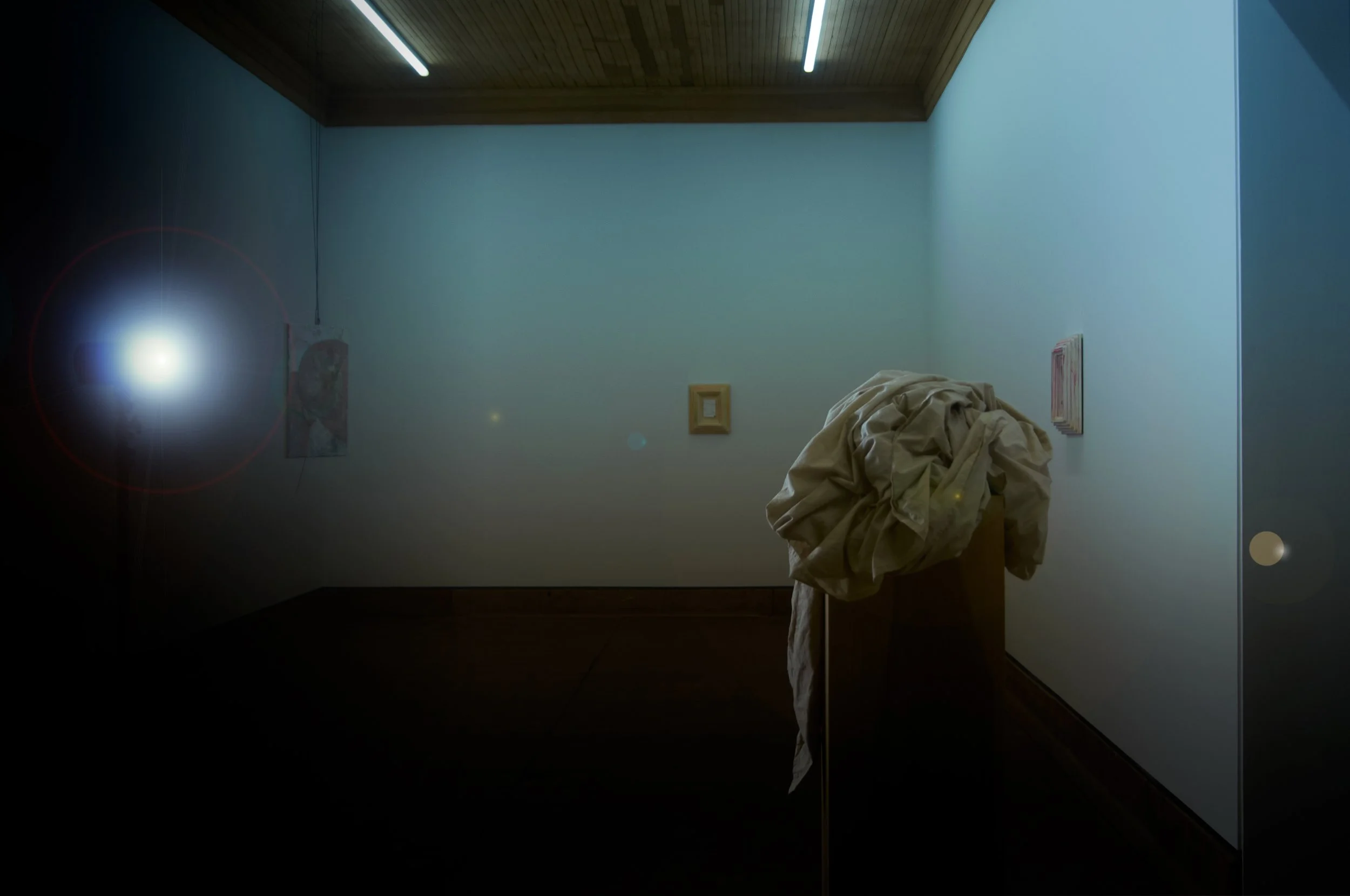
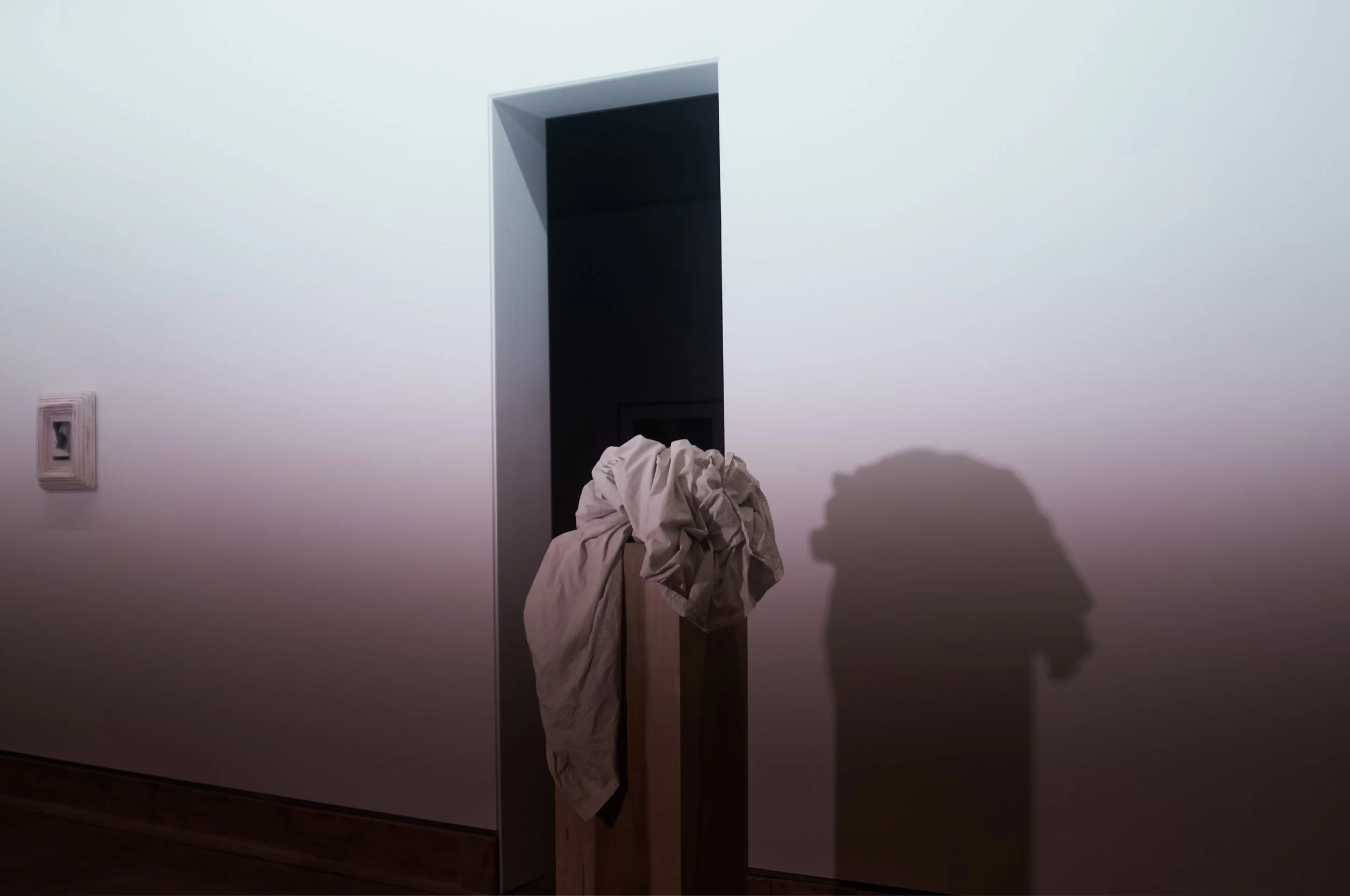
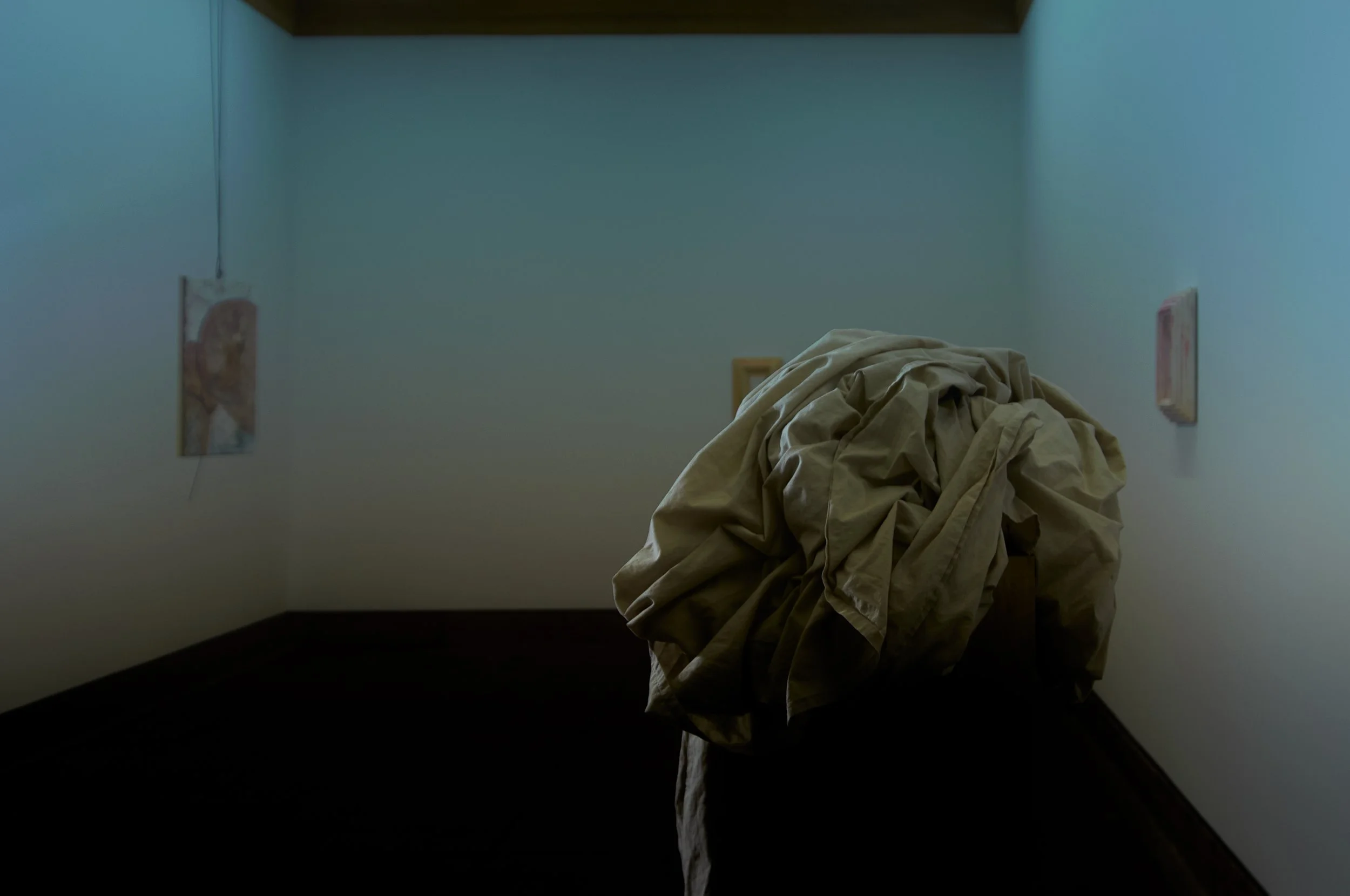
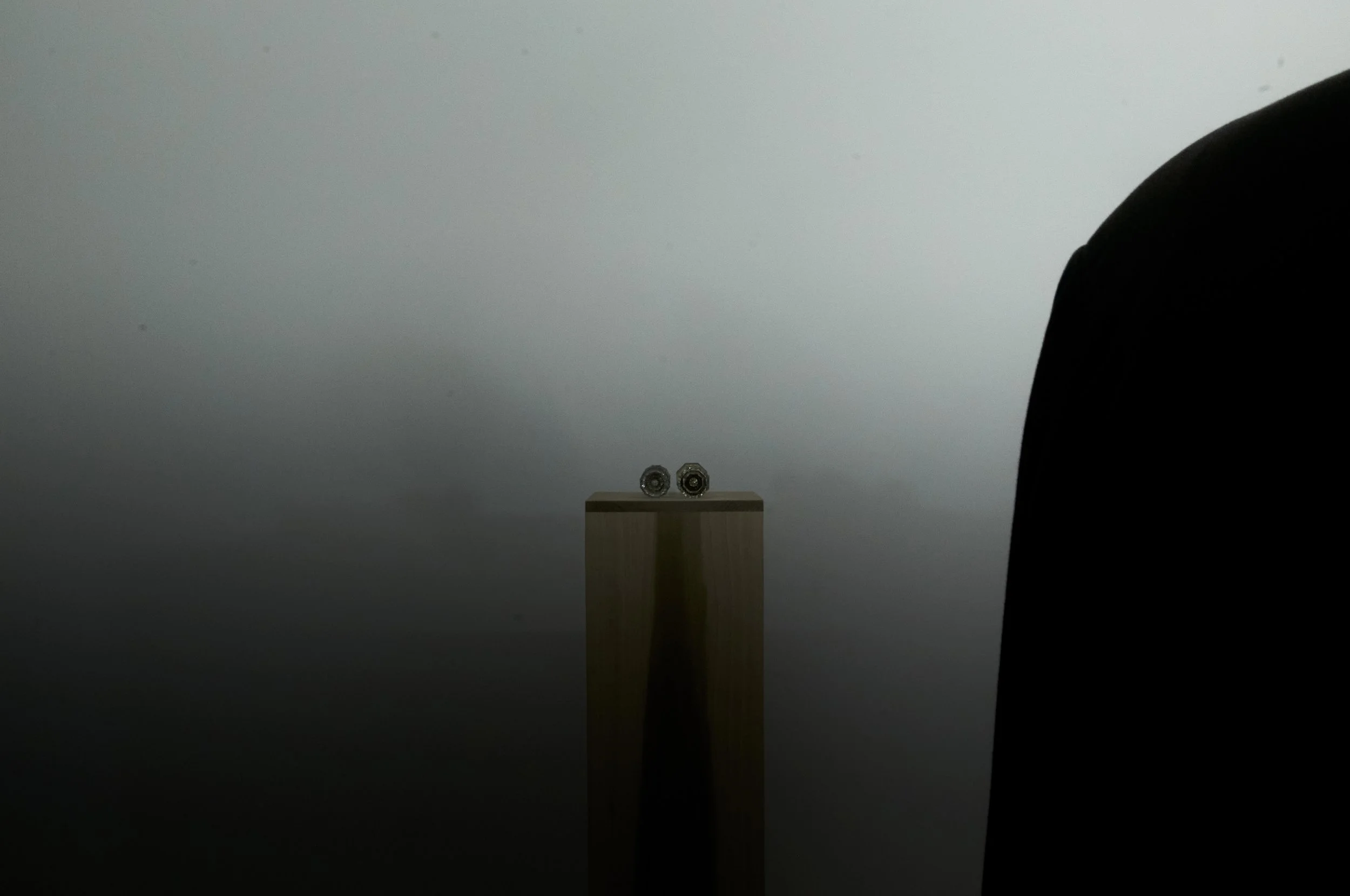
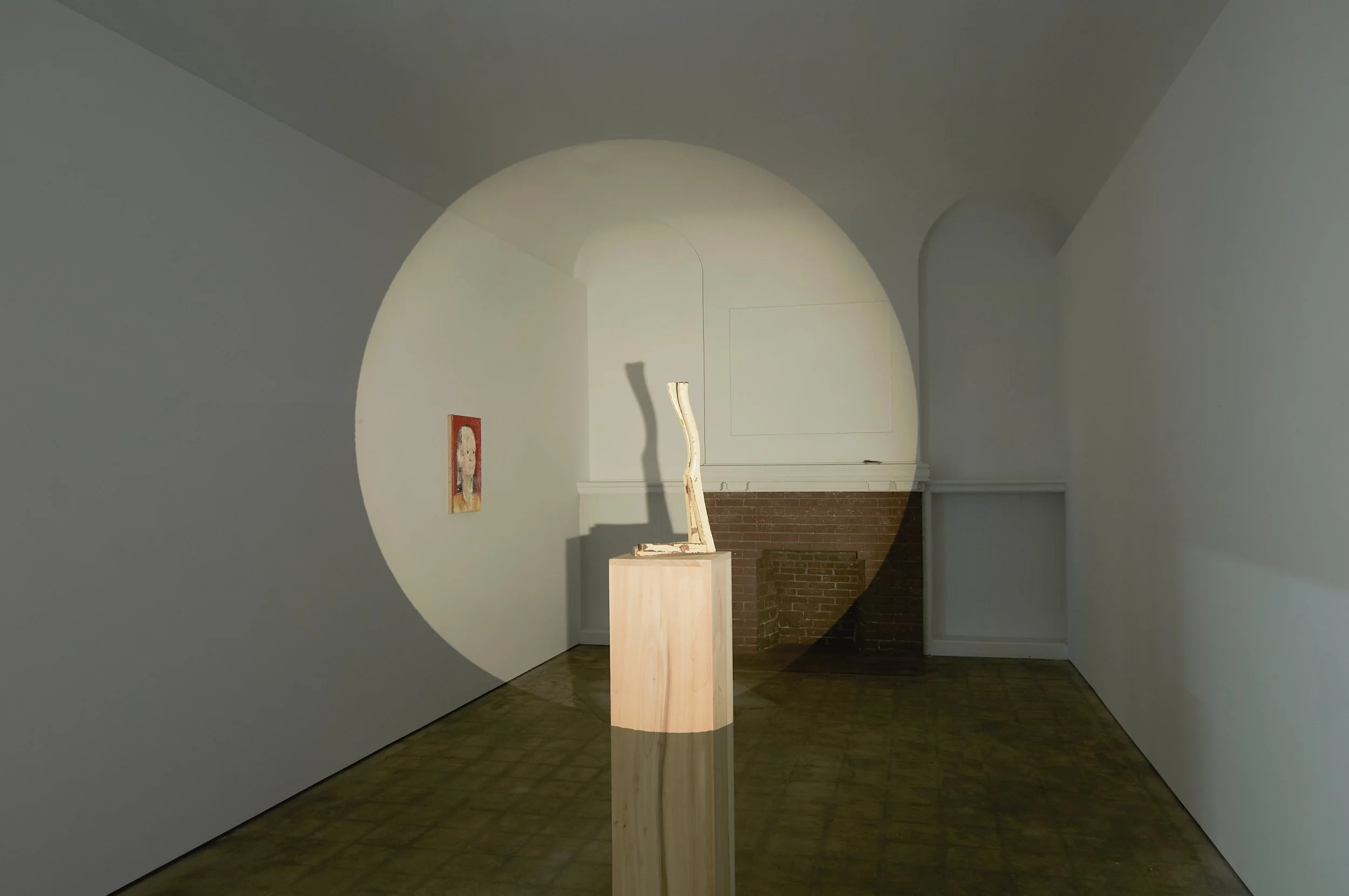
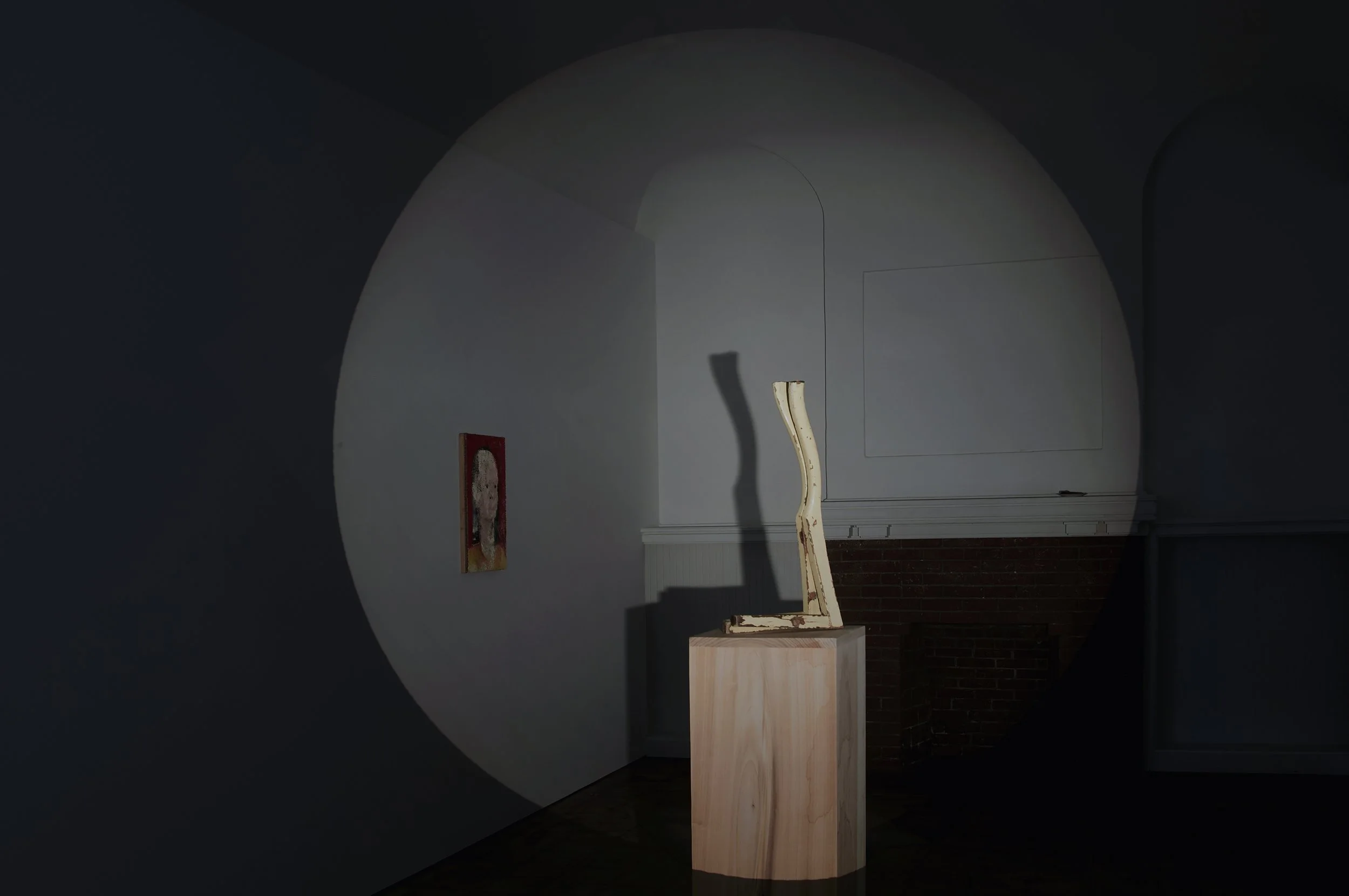
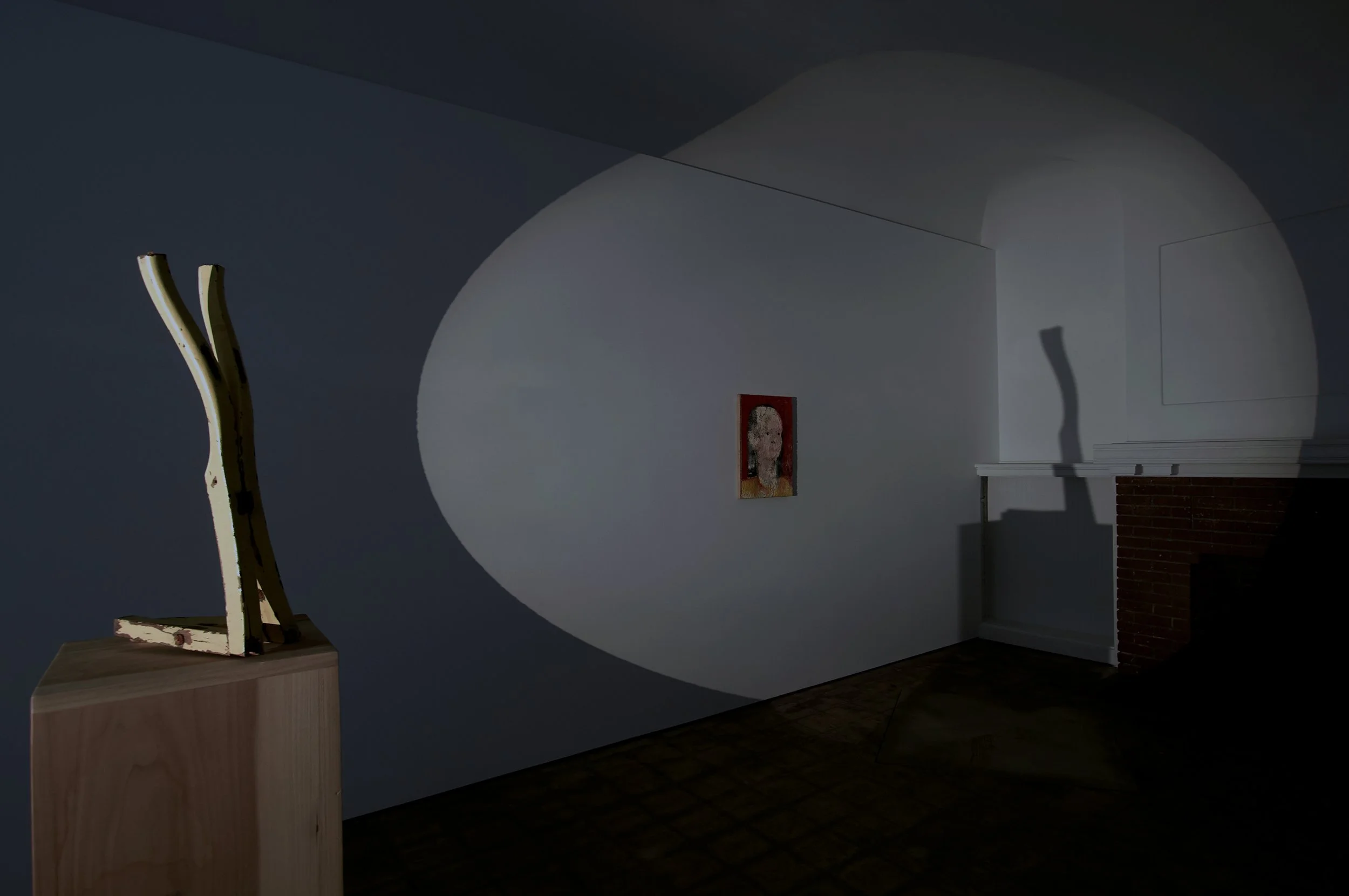
The Renaissance concept of disegno described drawing as both the act of making a line and the intellectual act of conceiving the idea behind it, thinking through the hand while drawing. In a similar spirit, the exhibition draws from The Pioneers Co-op’s studio moniker ‘documentary art,’ questioning the convention that lensing the documentation must be neutral, perfectly color-corrected, and stripped of the photographer’s viewpoint or hand, eye, and mind coordination.
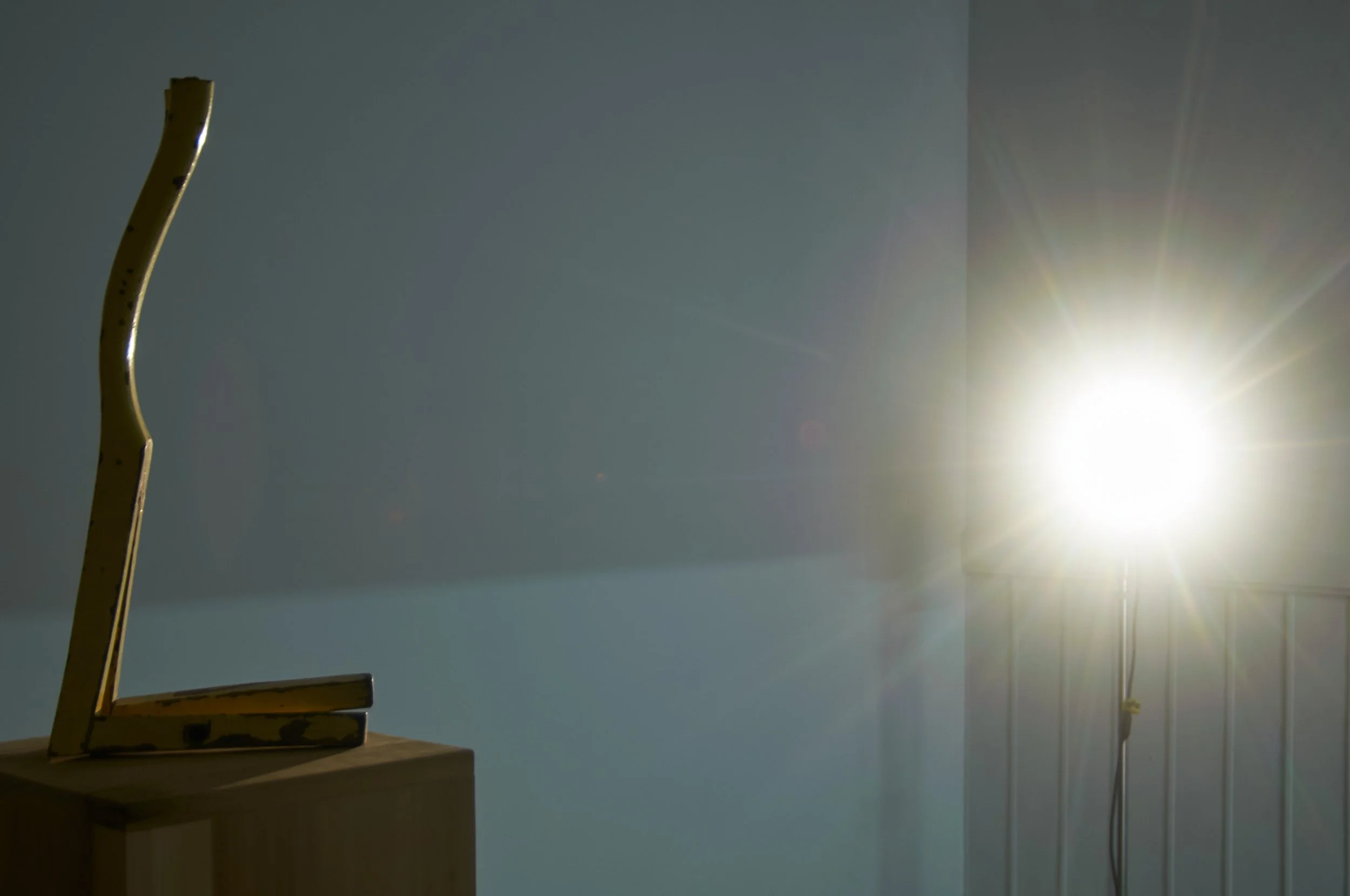
Instead, The Pioneers Co-Op reintroduces a perspective and throughline in a kind of informal residency: a studio situated within the gallery, living with the work as it develops. The documentation becomes part of the practice itself, observing the art over time, through shifting light, changing moods, and an ongoing exchange with the gallery founder as friend, colleague, and collaborator, both representing the co-op and being represented by it. The experiment continues, and they’re in it too.